Understanding the Structure and Purpose of bitcoin Addresses Starting with 3
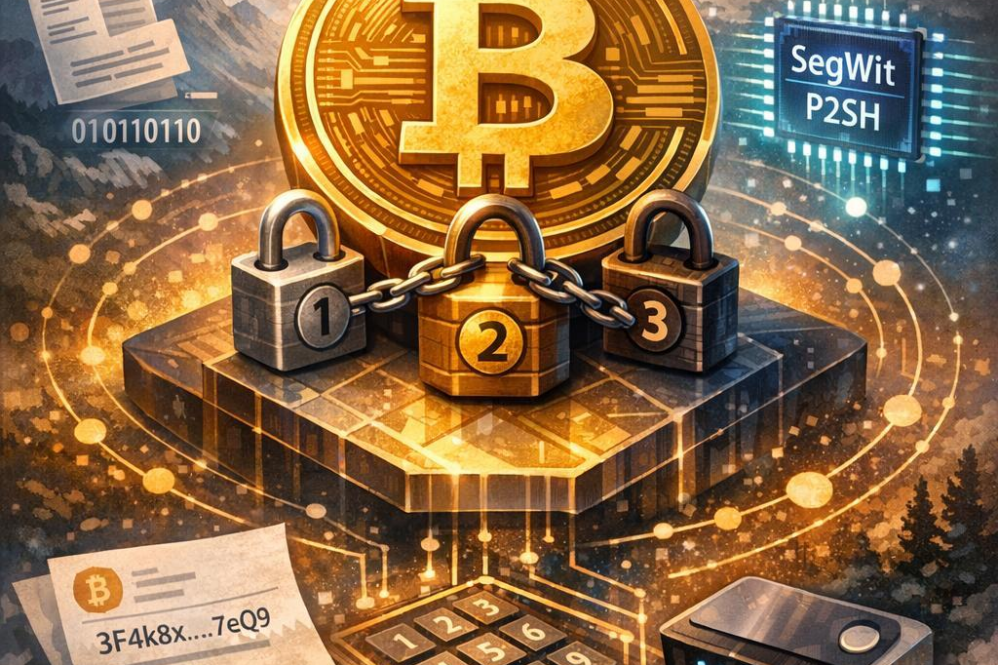
bitcoin addresses starting with the digit 3 mark a significant evolution from the conventional addresses beginning with 1. These addresses represent Pay-to-Script-Hash (P2SH), enabling more complex transaction types, primarily multi-signature (multi-sig) wallets and Segregated Witness (SegWit) compatibility. Unlike simple single-key addresses, P2SH addresses encapsulate the spending conditions into a hashed script, allowing users to defer the complexity of the spending logic until the time of transaction redemption.
One of the core features of P2SH addresses is their support for multi-sig functionality. This means that rather of relying on a single private key to authorize a payment, multiple keys can be required in combination, enhancing overall security. Such as, a 2-of-3 multi-sig wallet requires any two of the three designated keys to sign off on spending the funds. This setup is especially useful for businesses or joint accounts where multiple approvals protect against unauthorized spending.
| Feature | Description | Benefit |
|---|---|---|
| P2SH Address | Starts with ‘3’ | Simplifies complex transaction validation |
| Multi-Signature Wallet | Requires multiple keys to authorize spending | Enhanced security and control |
| SegWit Compatibility | Reduces transaction size | Lower fees and faster confirmations |
Moreover, P2SH addresses also facilitate SegWit adoption. SegWit restructures how transaction data is stored, separating the witness data to mitigate transaction malleability and improve scalability. By wrapping SegWit scripts inside P2SH addresses, wallets can maintain backward compatibility with legacy systems, ensuring widespread usability across exchanges and services without sacrificing the advantages SegWit provides.
- Improved Security: Multi-sig reduces single points of failure in wallet management.
- Network Efficiency: SegWit transactions are more compact, lowering network load and fees.
- Compatibility: P2SH works seamlessly with existing bitcoin infrastructure.
Exploring Multi-Signature Technology and Its Security Advantages
Multi-signature technology represents a significant leap forward in the secure management of digital assets. Unlike traditional single-key wallets, multi-signature wallets require multiple private keys to authorize a transaction. This system inherently distributes control, drastically reducing the risk of theft or accidental loss. By introducing a requirement for multiple approvals, it enhances security in a way that no single point of failure can compromise the wallet. For bitcoin addresses starting with “3,” this multi-sig feature integrates seamlessly with Pay-to-Script-Hash (P2SH) functionality, which facilitates complex spending conditions while ensuring user-friendly address formats.
The security advantages of multi-signature setups become especially evident when considering potential attack vectors on a wallet. For instance, even if one key is compromised, malicious actors cannot move funds without the additional keys required by the policy. This adds an essential layer of protection against hacks and insider threats. Moreover, multi-sig wallets can require combinations such as “2-of-3” or “3-of-5” keys, balancing access flexibility and security. This adaptability makes it ideal for both individual users seeking personal asset protection and organizations requiring shared control over funds.
| Multi-Sig Scheme | Use Case | Security Benefit |
|---|---|---|
| 2-of-3 | Family or small group wallets | Prevents single-person fund movement |
| 3-of-5 | Business accounts with multiple stakeholders | Requires consensus for transactions |
| 1-of-2 | Backup key for emergency access | Reduces risk of total key loss |
In practical terms, the adoption of P2SH addresses (which start with “3”) simplifies interaction with complex scripts like multi-sig setups. Rather than dealing with long, cumbersome script data, users see a standardized address format that maintains backward compatibility and improves wallet interoperability. This combination has made multi-signature wallets both accessible and reliable, driving safer bitcoin adoption across varied environments.
Decoding Segregated Witness (SegWit) and Its Impact on Transaction Efficiency
Segregated Witness (SegWit) revolutionized the bitcoin protocol by separating the transaction signature data from the main blockchain structure. This restructuring allows more transactions to fit within each block, substantially increasing throughput and reducing fees. By moving the signature data (witness) outside the original transaction block, SegWit effectively relieves network congestion and mitigates transaction malleability, which previously posed a threat to transaction security and reliability.
Transactions utilizing SegWit benefit from improved transaction efficiency, as the witness data is stored in a different part of the block, allowing for smaller transaction sizes in terms of block weight. This optimization not only accelerates transaction verification but also enhances compatibility with second-layer scaling solutions, like the Lightning Network, further enabling fast, low-cost payments across the bitcoin network.
Below is a comparison illustrating how SegWit impacts various transaction components:
| Transaction Aspect | Legacy (Pre-SegWit) | SegWit (P2SH-P2WPKH) |
|---|---|---|
| Block Weight Usage | ~400 weight units | ~250 weight units |
| Transaction Size | ~250 bytes | ~140 bytes |
| Fee Efficiency | Standard fees | Up to 40% reduction |
| Malleability | Vulnerable | mitigated |
- Smaller transaction Data: Witness data is separated from transaction data, reducing the size.
- Increased Block capacity: More transactions can be included per block, boosting throughput.
- Enhanced Security: Removes signature malleability allowing safer smart contracts and multi-sig setups.
The Role of Pay-to-Script-Hash (P2SH) in Modern bitcoin Transactions
Pay-to-Script-Hash (P2SH) revolutionized bitcoin transactions by enabling more complex spending conditions while keeping addresses user-friendly. Instead of sending funds directly to a single public key hash, P2SH allows funds to be locked behind a script hash. This abstraction means the recipient only needs to share a shorter, fixed-length address starting with ‘3’, simplifying transaction inputs and enhancing privacy. The actual script, revealed only when spending, can encode multifaceted rules, such as requiring multiple signatures or enabling Segregated Witness (SegWit) compatibility.
Key functionalities enabled by P2SH include:
- Multi-signature wallets: Funds can be secured by requiring signatures from multiple private keys, increasing security and enabling shared control over assets.
- SegWit support: Segregated witness scripts can be nested within P2SH addresses, reducing transaction malleability and improving scalability.
- Enhanced flexibility: Custom payment conditions and complex smart-contract-like scripts become feasible, broadening bitcoin’s use cases.
| Feature | Benefit | Example |
|---|---|---|
| Multi-signature (Multi-sig) | Shared control, fraud prevention | 2-of-3 signatures needed to spend |
| SegWit compatibility | Lower fees, faster confirmations | Nested P2SH address starting with ‘3’ |
| Complex scripts | Custom spending conditions | time-locked payments |
Best Practices for Managing Multi-Sig Wallets to Enhance Security
Implementing multi-signature wallets effectively requires a strategic approach to key management, ensuring that no single party holds complete control. It is indeed imperative to distribute private keys securely among trusted participants using hardware wallets or secure offline storage.Avoid storing all keys in a single location or on internet-connected devices, as this creates a critical vulnerability. Layering physical security measures with robust encryption techniques enhances resilience against theft, loss, or coercion attempts.
Another essential practice is defining clear signing policies among the key holders.Establishing predefined thresholds and contingencies-such as, a 2-of-3 signature rule-balances usability with enhanced security. Additionally, regular audits of access controls and simulated recovery drills ensure stakeholders remain prepared for emergency scenarios, such as lost keys or compromised signers.Documentation of these protocols fosters transparency and collective duty within the multi-sig group.
Monitoring network activity and wallet transactions for abnormal patterns adds an additional layer of protection.Employing tools that notify participants upon transaction proposals or executions helps detect unauthorized attempts rapidly. Below is a summary table of key best practices:
| Best Practice | Purpose |
|---|---|
| Distribute Keys Securely | Minimize single point of failure |
| Define Signature Thresholds | Balance security with usability |
| Conduct Regular audits | Maintain operational readiness |
| Monitor Transaction Activity | detect unauthorized access |
Practical Recommendations for Using SegWit Addresses to reduce Fees and Increase Speed
To harness the full benefits of SegWit addresses starting with ‘3’, users should prioritize wallets and services that explicitly support Pay-to-Script-Hash (P2SH) SegWit transactions. These wallets can bundle multiple signatures efficiently and optimize transaction data size, resulting in lower fees and faster confirmations. Compatibility is key: Before sending funds,verify that the recipient’s address conforms to P2SH-SegWit standards to avoid unneeded fee surcharges or delayed processing.
When creating transactions, leverage SegWit-enabled wallets that allow batch sending. Bundling multiple outputs reduces the overall byte size of the transaction, which directly translates into reduced fees. Additionally, actively utilize fee estimation tools built into modern wallets, as they dynamically adjust the fee based on network congestion, ensuring your transactions confirm swiftly without overpaying.
| Suggestion | Benefit | Practical Tip |
|---|---|---|
| Use P2SH-SegWit Wallets | Reduced fees, faster confirmation | Check wallet documentation for native SegWit support |
| Batch Transactions | Lower cost per output | Send multiple payments concurrently |
| Dynamic Fee Management | Avoid delays or overpayment | Enable automatic fee adjustment in your wallet |
consider the long-term efficiency gains of shifting to native SegWit addresses (starting with ‘bc1’) as wallets and exchanges increasingly adopt them. While P2SH addresses effectively serve as a bridge with backward compatibility, transitioning your routine transactions to newer address types will further minimize fees and maximize speeds.Nevertheless, multi-signature setups on P2SH remain invaluable for enhanced security in shared control scenarios, marrying safety with economical transaction processing.