Understanding the Structure and Purpose of bitcoin Addresses Starting with Three
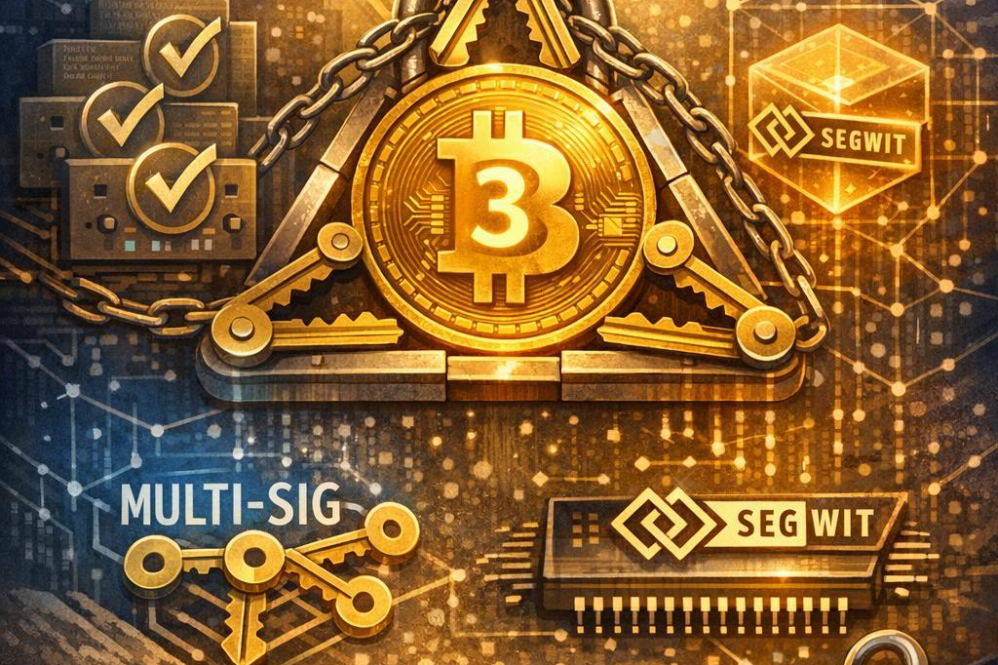
bitcoin addresses that start with the numeral “3” represent a significant evolution in the blockchain ecosystem, designed to enhance both security and efficiency. These addresses are often linked to two key innovations: Multi-Signature (Multi-Sig) wallets and the Segregated Witness (SegWit) upgrade using the Pay-to-script-Hash (P2SH) format. Unlike customary bitcoin addresses beginning with “1,” which correspond to single-key public addresses, “3” addresses encapsulate a more complex script that requires multiple signatures or streamline block data management for faster processing.
The power of multi-signature wallets lies in their ability to require multiple private keys for transaction authorization, substantially reducing the risks of theft or loss. These wallets leverage P2SH addresses that start with “3” so that the bitcoin network only sees the script’s hashed form until it is redeemed, increasing privacy and security. This makes such addresses highly recommended for corporate accounts, escrow services, or any scenario requiring multiple parties to validate transactions collaboratively.
| Feature | Description | Benefit |
|---|---|---|
| Multi-Signature | Multiple signatures required to spend funds | Enhanced security and shared control |
| SegWit (P2SH) | Separates signature data from transaction data | Lower transaction fees and faster confirmation |
| Address Format | Starts with “3” | Supports advanced scripting features |
SegWit adoption through P2SH addresses also brought a notable scalability enhancement to the bitcoin network. By segregating witness data outside the base transaction block, these addresses help reduce transaction size and congestion while maintaining backward compatibility with older wallet systems. This balance of innovation and accessibility is why addresses beginning with “3” remain a cornerstone technology for users who want a mix of advanced features without disrupting existing bitcoin infrastructure.
The Role of Multi-Signature Wallets in Enhancing Security and Control
In the realm of bitcoin security, multi-signature wallets represent a transformative approach to managing funds. Unlike traditional wallets that rely on a single private key, multi-signature (or multi-sig) wallets require multiple keys to authorize a transaction, significantly reducing the risk of theft or loss through compromised keys. This decentralized control means that no single party can unilaterally access or spend the funds, which is ideal for organizations, partnerships, and individuals who want enhanced safety mechanisms.
One of the key innovations tied to multi-sig wallets is their integration with Pay-to-Script-Hash (P2SH) addresses, which often begin with the digit “3”. These addresses encapsulate complex spending conditions inside a single hash, making it easier to send Bitcoins to multi-sig scripts without exposing the full complexity on the blockchain. Importantly, P2SH also supports backward compatibility while improving user privacy and transaction efficiency, as the script details are only revealed during spending, not when receiving funds.
Advantages of multi-signature wallets include:
- Enhanced security: Multiple approvals drastically reduce single points of failure caused by hacking or key loss.
- Shared control: Perfect for corporate accounts or group funds that require consensus before spending.
- Flexibility: Customizable rules for how many and which keys are needed to unlock funds (e.g., 2-of-3 or 3-of-5 signatures).
| Key Feature | Description | Impact |
|---|---|---|
| Multi-Sig Requirement | Multiple signatures needed to approve a transaction | Prevents unauthorized spending |
| P2SH Address Format | Encodes complex scripts behind a simple address | Improves wallet usability and privacy |
| access control | Customizable thresholds for signatures | Enables flexible security policies |
Segregated Witness Technology and Its Impact on Transaction Efficiency
Segregated Witness (SegWit) revolutionized bitcoin’s transaction processing by restructuring how transaction data is stored and transmitted. Rather of bundling the transaction signatures (witness data) directly within the transaction, SegWit moves this data to a separate structure. This architectural change significantly reduces the size of individual transactions, allowing more transactions to fit within each block. Consequently, the blockchain experiences increased throughput, enhanced scalability, and lower transaction fees without compromising security or decentralization.
One of the key efficiencies SegWit introduces is the elimination of transaction malleability, a vulnerability allowing modification of transactions before confirmation.By isolating the witness data, SegWit ensures transaction IDs remain immutable, which streamlines complex operations-especially multi-signature (multi-sig) transactions typical in addresses starting with “3.” This immutability enhances the reliability of second-layer protocols like the Lightning network, unlocking newer financial use cases and faster payment channels while maintaining a trust-minimized surroundings.
| Benefit | Impact on Transactions |
|---|---|
| Block Space optimization | Up to 60% more transactions per block |
| Reduced Fees | Lower cost per transaction due to smaller size |
| Improved Security | Prevention of transaction malleability |
| Enhanced Functionality | Supports complex scripts like multi-sig wallets |
SegWit’s compatibility with Pay-to-Script Hash (P2SH) addresses, which begin with “3,” allows users to benefit from this technology without abandoning older address formats. This backward compatibility accelerates adoption by supporting wallet upgrades and multi-signature scripts smoothly. By aligning with industry standards while driving technical advancements, SegWit lays a strong foundation for bitcoin to increase efficiency and foster innovation simultaneously.
How Pay to Script Hash Addresses Simplify Complex Transaction Scripts
Pay to Script Hash (P2SH) addresses revolutionize how bitcoin handles multifaceted transaction conditions by encapsulating complex scripts within a simple, user-friendly address format. Rather of requiring every party to understand or interact with the underlying script logic, P2SH allows the sender to pay to a hash of a script, abstracting the complexity until the transaction is spent. This means the network only needs to verify the correct script execution when the funds are redeemed, greatly simplifying interactions for most users while maintaining robust security.
This abstraction is especially powerful for multi-signature wallets and advanced spending conditions. With P2SH, multiple signatures or various scripted conditions can be wrapped inside a single, recognizable address starting with the numeral “3.” This reduces potential errors in address sharing and improves wallet compatibility. for instance, a 2-of-3 multi-sig setup’s intricate conditions are hidden behind one straightforward address, allowing participants easy sending and receiving of funds without exposing the underlying complexity.
To illustrate, here’s a concise comparison of what P2SH achieves for common complex transactions:
| Transaction Type | Traditional Handling | P2SH Enhancement |
|---|---|---|
| Multi-Signature | Senders must know each public key and script details. | One hash address hides all script complexity. |
| SegWit Nested | Complicated witness and script verification exposed to sender. | Simplified use via P2SH address, backward compatible. |
| Custom scripts | Requires sharing full script for validation. | Only script hash is shared until redemption. |
This simplification helps bitcoin scale by encouraging innovative transaction conditions without burdening the sender or the network with unneeded complexity upfront. Ultimately, it’s a critical step toward a more secure, scalable, and user-friendly bitcoin ecosystem.
Best Practices for Using Multi-Sig and SegWit Addresses in Everyday Transactions
When integrating multi-signature (multi-sig) and SegWit (P2SH) addresses into daily bitcoin transactions,it’s crucial to focus on security without sacrificing convenience. Multi-sig wallets enhance security by requiring multiple private keys to authorize a transaction. This setup drastically reduces the risk of unauthorized spending, especially for businesses or joint accounts. SegWit addresses, conversely, help optimize transaction fees and improve the efficiency of blockchain data usage. Combining these technologies allows users to enjoy both robust protection and cost-effective transactions.
To leverage the full potential of multi-sig and SegWit, adhere to these best practices:
- Distribute keys securely: Keep each private key with different trusted parties or devices to avoid a single point of failure.
- Use trusted wallet software: Not all wallets support multi-sig or SegWit properly. Choose wallets with verified P2SH compatibility.
- regularly backup redeem scripts: Since multi-sig addresses depend on redeem scripts, always store these securely to ensure recovery is possible if keys are lost.
- Monitor transaction fees: Take advantage of SegWit’s fee reductions but remain vigilant of network congestion that can affect transaction confirmation times.
| Practise | Benefit | Tip |
|---|---|---|
| Multiple key Holders | improved security | Use geographically dispersed holders |
| Wallet Verification | Compatibility & smooth operation | Check SegWit and P2SH support |
| Backup Scripts | Prevent total loss | store offline copies securely |
| Fee Awareness | Cost efficiency | Time transactions during low network activity |
Mitigating Risks and Optimizing Fees with Advanced bitcoin address Types
To effectively manage risks associated with bitcoin transactions, utilizing advanced address types like those starting with “3” offers significant advantages. These addresses employ Pay-to-Script-Hash (P2SH) technology,primarily enabling multi-signature (multi-sig) setups and SegWit compatibility. Multi-sig, in particular, enhances security by requiring multiple private keys to authorize a transaction, reducing the risk of unauthorized access or theft. This is especially critical for institutions or joint accounts, where shared control prevents single points of failure.
Beyond security, fee optimization is another crucial benefit. SegWit addresses nested in P2SH structure reduce transaction sizes by removing signature data from the traditional block structure, leading to lower fees on the bitcoin network. users can benefit from faster transaction confirmations and cost-efficiency. With the widespread adoption of these advanced address types, wallets and services can process payments more swiftly and affordably, making them ideal for both frequent and high-volume transactions.
| feature | Benefit | Use Case |
|---|---|---|
| multi-Sig | Enhanced security through multiple key approvals | Corporate wallets,escrow services |
| SegWit (P2SH) | Lower fees,faster confirmations | Everyday transactions,payment channels |
| Combined Use | Secure and cost-efficient payments | High-value and frequent transactions |
Incorporating these advanced bitcoin address types into your digital asset strategy offers a balanced approach to mitigating operational risks while optimizing transaction costs. As the bitcoin ecosystem evolves, leveraging the flexibility of P2SH addresses allows users to tailor their security and fee structures without compromising usability or network compatibility.