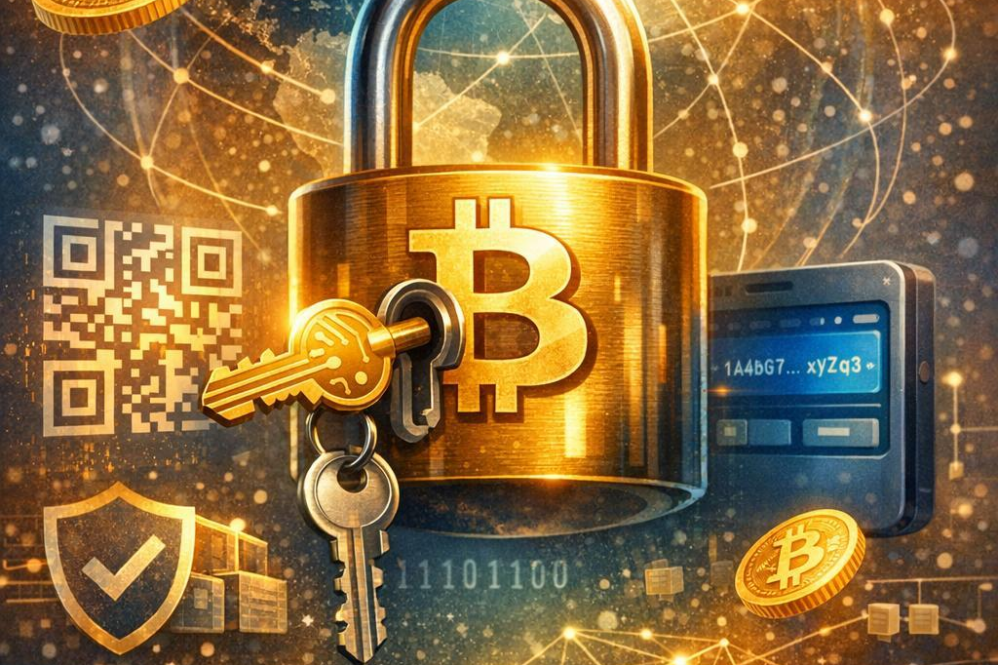
Understanding the Structure and Function of bitcoin Addresses
At it’s core,a bitcoin address serves as a destination on the bitcoin network where coins can be sent and received securely. These addresses are not mere random strings but are derived from a complex cryptographic process involving pairs of keys-a public key and a private key. The public key is transformed into a bitcoin address through hashing algorithms, ensuring uniqueness and security. The private key, however, must be kept secret as it authorizes the spending of bitcoins from the corresponding address, making it the ultimate safeguard for your assets.
bitcoin addresses generally come in diffrent formats, each with specific functions and levels of compatibility. The most common types include:
- Legacy (P2PKH) – Customary bitcoin addresses beginning with “1” that are widely supported.
- segwit (P2SH) - Starting with “3,” these addresses improve transaction efficiency by reducing data size.
- Bech32 (Native SegWit) - Modern addresses that start with “bc1,” offering even lower fees and enhanced security.
| Address Type | Prefix | Key Feature |
|---|---|---|
| Legacy | 1 | Worldwide support |
| SegWit | 3 | Lower fees, compatibility |
| Bech32 | bc1 | Enhanced efficiency & security |
Understanding how bitcoin addresses function is essential for secure transactions. When you share your bitcoin address, you reveal your public key in a hashed form, which prevents the exposure of your private key and guards against unauthorized spending. The cryptographic foundation ensures that while anyone can send bitcoins to an address, only the holder of the private key can access and transfer those funds, maintaining integrity and trust across the decentralized network.
Exploring the Role of public and Private Keys in bitcoin Transactions
Public and private keys form the cryptographic foundation of bitcoin transactions. The public key acts as your bitcoin address, which others use to send you funds.This key is visible to anyone on the blockchain network, allowing them to verify and trace transactions while ensuring that your identity remains pseudonymous. Conversely, the private key must be kept absolutely secret because it grants exclusive authority to spend the bitcoin associated with that address. If lost or exposed, your bitcoins could be irretrievably lost or stolen.
The interplay between these keys ensures security through asymmetric cryptography. When you initiate a transaction, your wallet uses your private key to sign the data, creating a unique digital signature. This signature proves ownership without revealing the private key itself. Network nodes then use your public key to validate the signature before confirming the transaction on the blockchain. This method guarantees both integrity and authorization, preventing unauthorized spending and double-spending attacks.
- Public Key: Shareable address for receiving funds.
- Private Key: Secret code used for signing and spending.
- Digital Signature: Proof of ownership created via private key.
| Key Type | Function | Security Consideration |
|---|---|---|
| Public Key | Receive bitcoin | Safe to share |
| Private Key | authorize Spending | Must be kept secret |
Best Practices for safeguarding bitcoin Addresses and Maintaining Security
Protecting your bitcoin addresses is fundamental to maintaining control over your digital assets. Always ensure that private keys are stored offline in secure environments such as hardware wallets or encrypted paper backups. Avoid saving sensitive details on internet-connected devices or cloud services, as these can be vulnerable to hacking and phishing attempts. keep in mind that even exposure of a single private key can compromise all associated funds, so adopting a multi-layered security approach is essential.
When sharing your bitcoin receiving address, it’s vital to verify its integrity beforehand. Use trusted software wallets that support address verification features such as QR code scanning or checksum validation to prevent sending or receiving bitcoin to altered or fraudulent addresses. Furthermore, consider using a new address for each transaction to enhance privacy and reduce the risk of address reuse attacks. This practice minimizes traceability and protects your overall transaction history from third-party analysis.
| Security Measure | Benefit |
|---|---|
| Hardware Wallets | Isolate private keys from online threats |
| Address Verification | Prevent address manipulation and errors |
| Regular Backups | safeguard against data loss and corruption |
| Address Rotation | Enhance privacy and reduce tracking |
Common pitfalls and How to Avoid Losing Access to Your bitcoin Wallet
One of the most frequent mistakes users make is relying solely on a single backup method for their bitcoin wallet. Wallets can be lost, corrupted, or inaccessible due to hardware failure, software glitches, or accidental deletion. Always maintain multiple backups of your private keys or seed phrases in different, secure physical locations. Consider using metal backups or other durable mediums resistant to fire and water damage. Also, never store backups solely in digital form without encryption, as this leaves you vulnerable to hacking and malware.
Another common pitfall is neglecting to safeguard private keys with strong, unique passwords and two-factor authentication when available. Many users underestimate the importance of access controls, making it easier for unauthorized parties to gain control of their bitcoin wallets. Implement layered security measures by combining password complexity, hardware wallets, and multifactor authentication solutions. Remember, your bitcoin addresses are only as secure as the private keys that control them.
keep in mind the dangers of phishing scams and social engineering attacks aimed at tricking you into revealing your wallet credentials. Beware of unsolicited requests for your private keys or seed phrases-no legitimate service will ever ask for them. to stay protected, familiarize yourself with common scam tactics and use verified software and hardware wallet providers. The following table summarizes these pitfalls and recommended precautions:
| Common pitfall | Risk | Recommended Precaution |
|---|---|---|
| Single Backup | Permanent loss of access | Multiple secure backups in diverse locations |
| Weak Security | wallet theft or unauthorized access | Strong passwords, 2FA, hardware wallets |
| Phishing & Scams | Credential exposure | Education, verified software, skepticism |
