June 9, 2026

Capitalizations Index – B ∞/21M

UK: Crypto Scams Increased Three-Fold, Net Losses Decreased

Uk: crypto scams increased three-fold, net losses decreased

UK: Crypto Scams Increased Three-Fold, Net Losses Decreased

Uk: crypto scams increased three-fold, net losses decreased

According to a report from the Financial Times, the number of crypto and forex scams had increased three-fold in the past financial year, increasing from 530 to 1,834 in 2018-19. The net loss associated with the frauds summed to $34 million.

81 Percent Scams are Related to Crypto

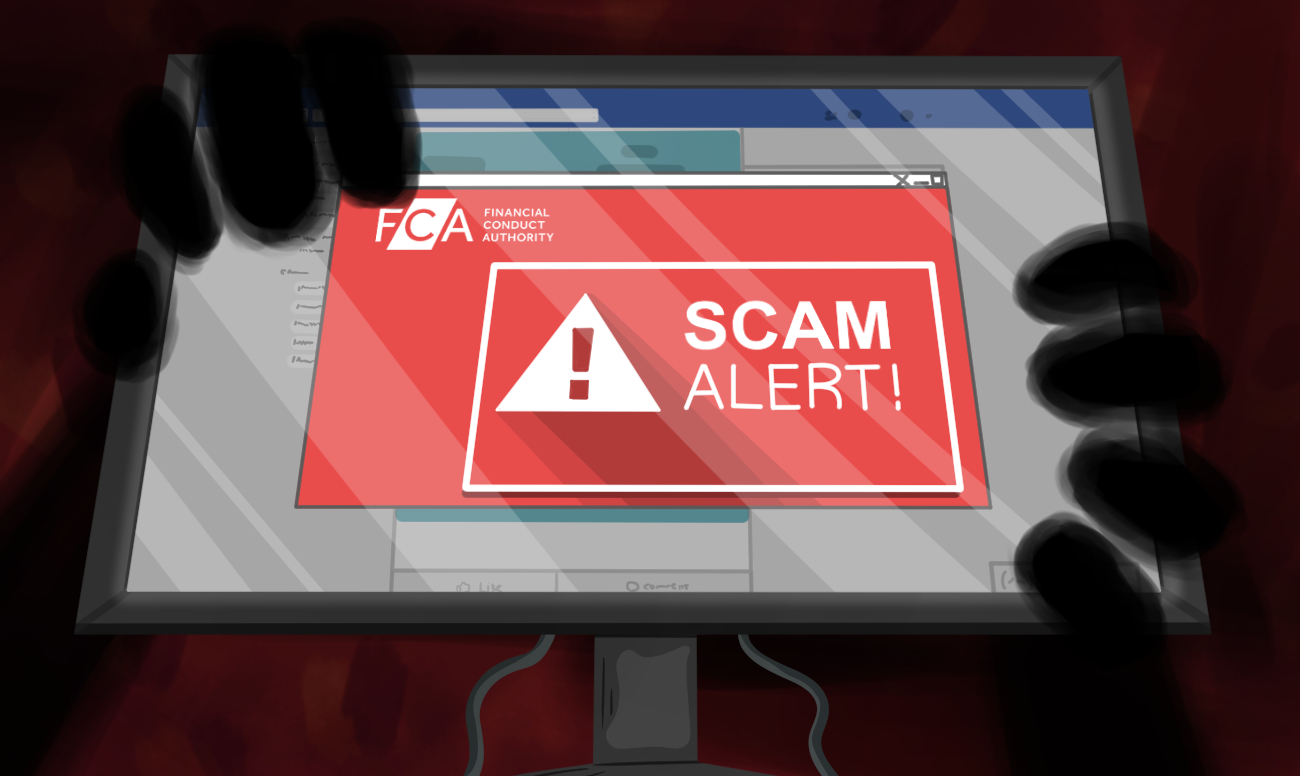
The financial regulatory body of the UK, the Financial Conduct Authority (FCA), has consistently alarmed digital assets users to be wary of the risks involved with them. In a recent report by the organization, it revealed that the overall claims of crypto and forex scams saw a three-fold increase between the last two financial years.

Data collected by the FCA from Action Fraud, the national fraud reporting service, highlighted that the number of reported crypto and forex scams increased from 530 to 1834 in the financial year 2018-19. Of these, 81 percent of the reports were related to cryptocurrency scams.

Despite the increase in the number of scams, the FCA reported a $14 million drop in the overall loss. The average loss per individual also stooped to $18,500 from $76,000. This drop is indicative of the increase in the number of small scale scams conducted to defraud individuals who’re unaware of the security threats to their digital asset holdings.

The ‘Get Rich Quick’ Bait

The ‘get rich quick’ schemes are a traditional way to easily lure people to invest in scams. According to the FCA, fraudsters’ rely heavily on social media platforms to promote such schemes by showing off rich lifestyles. This entices the users to invest in proposed schemes only to later realize what they’d stepped into. The professionalism with which these scams are carried out makes it hard for users to differentiate them from genuine investment opportunities.

Warning investors against such scams, Mark Steward, the FCA’s executive director of enforcement and market oversight, said:

“Scammers can be very convincing so always do your own research into any firm you are considering investing with, to make sure that they are the real deal,”

While scammers are getting smarter and are using more “foolproof methods” to scam people, it’s become important for individuals to conduct their due diligence before making investments. People need to realize that there are no “get-rich-quick” methods that can earn them millions in a small period of time without doing anything. Any such investment opportunities should not only be ignored but also reported to the authorities.

Like BTCMANAGER? Send us a tip!

Our Bitcoin Address: 3AbQrAyRsdM5NX5BQh8qWYePEpGjCYLCy4

Published at Tue, 21 May 2019 21:26:13 +0000

Previous Article

SEC’s guidance prompts more questions than answers, says Circle’s Jeremy Allaire after Poloniex geo-fencing episode

Next Article

Ripple Price Prediction And Analysis For May 21st – XRP to Recover

You might be interested in …

Ether Review Legal #5?'??'"?'?BernsWeiss Stops the IRS in its Tracks

Lee Weiss of the US law firm BernsWeiss discusses the Coinbase/IRS dispute. The dispute began in November 2016, when the IRS summoned Coinbase to hand over data about all users who were active on the exchange from 2013 to 2015, with a view to investigating the tax compliance of individuals who have transacted in cryptocurrencies.

On behalf of one or more anonymous Coinbase users, BernsWeiss took the issue to court and was recently granted permission to argue against the summons, which among other things demanded access to users?’? public and private keys. If complied with, this would effectively give the IRS access to all customer funds, making it a clear and easy target for hackers.

This is an unprecedented use of the John Doe summons procedure, which was intended for situations where the IRS has identified specific tax avoidance but can?’?t identify the specific parties who have engaged in that illicit conduct. If determined to be legal, this summons would set a precedent under which the IRS could demand the same from other exchanges. BernsWeiss intends to continue fighting this massive government overreach unless and until the IRS can identify a specific subset of taxpayers who it is reasonably certain are engaging in tax avoidance.

After the hearing, the government removed the request for private keys, now only requiring public keys. The IRS also voluntarily narrowed the scope of the summons to only cover individuals who engaged in virtual currency transactions in excess of $20,000 in a given year. This figure is likely arbitrary, and suggests that the government is simply trying to gather as much information as possible rather than engaging in a specific investigation.

This case illustrates the lack of understanding about these new financial instruments within government. With this summons, the IRS effectively places virtual currencies into the ?’?œinherently suspicious?’ tax avoidance category with things like large transactions, questionable tax shelters, and other mechanisms which are clearly designed to avoid taxes and typically don?’?t have a legitimate purpose?’?Š?'”?’?Šunlike cryptocurrencies.

http://www.law111.com/

twitter.com/BernsWeiss

consensys.net

consensysmedia.net

etherreview.info

https://itunes.apple.com//podcast/the-ether-review/id899090462?mt=2

What is cindicator

What is Cindicator

What is Cindicator We create Hybrid Intelligence by combining “Wisdom of the Crowd” and AI. Our products can be used by traders, financial experts and investors for efficient asset management. Learn more at https://cindicator.com/

Bitcoin - elliot analysis - middle term target

BITCOIN – ELLIOT ANALYSIS – MIDDLE TERM TARGET

bitcoin – ELLIOT ANALYSIS – MIDDLE TERM TARGET EN English (UK) EN English (IN) DE Deutsch FR Français ES Español IT Italiano PL Polski SV Svenska TR Türkçe RU Русский PT Português ID Bahasa Indonesia […]