February 24, 2026

Capitalizations Index – B ∞/21M

Uber’s $14 Billion Blunder – Not Buying Out Lyft When it Had the Chance

Uber’s $14 billion blunder – not buying out lyft when it had the chance

Uber’s $14 Billion Blunder – Not Buying Out Lyft When it Had the Chance

Uber’s $14 billion blunder – not buying out lyft when it had the chance

By CCN.com: As the headlines fill with talk of a mad dash for the Lyft IPO, Uber must be wondering why they didn’t crush their rival when they had the chance. It is not like these two companies came up together; Uber has always been more prominent and more global.

So why did they allow Lyft to become such a thorn in their side?

Uber Thought $9 Billion Lyft Price Tag Was Way Too Expensive

Well, it’s not like Uber didn’t consider buying Lyft.

In 2014 there was some talk of a buyout, but the valuation was deemed to be too steep. Again in 2016, Uber mulled an offer, but Lyft wanted $9 billion, far more than Uber was prepared to pay – $7 billion more to be exact. Fair enough, but if you consider that the upstart ride-share rival has now been given a valuation somewhere in the region of $21-$23 billion, that $9 billion asking price is looking cheap.

Anti-trust issues aside, it’s quite apparent with the benefit of hindsight that Uber needed to crush any rivals as early as possible. Nothing about ride-share lends itself well to patent wars. Yes, you can protect some innovation, but not the process of picking someone up in a car and driving them somewhere else. Lyft has merely lain in the shadows, watching what Uber is doing, avoiding its mistakes and trying to find a niche for itself.

CEO Khosrowshahi Avoids Past Mistakes by Purchasing Careem

The result has been to take a massive slice out of Uber’s market share in the most valuable market, the US. CEO Dara Khosrowshahi has learned a strong lesson from his predecessors, as the world’s largest ride-share company is purchasing Careem, a significant competitor in the Middle East.

Uber could one day still purchase Lyft, but given the hysteria around these unicorn IPOs, there probably couldn’t be a worse time. Uber’s worth is considerably more open-ended than that of its little brother. While valuations are shifting just a couple of billion dollars for Lyft, Uber’s is less clear. Worth between $76 billion and $120 billion, purchasing Lyft would be a nightmare now that it could swallow a full third of its larger rival’s valuation.

Car Subscriptions Could Pressure Rideshare Giants

An interesting article from Rick Newman at Yahoo Finance indicates there is another reason why Uber may have missed the boat to maximize its valuation.

Cheap car subscription services are becoming a major threat to ride share:

 “Future growth could disappoint, as a competing form of mobility catches on: car subscription services. A car subscription lets people who want full-time access to a car pay one monthly fee that covers everything except gas, and keep the vehicle in their own garage…”

It is specifically the cost savings versus rideshare that make car subscriptions a compelling alternative.

“At the cheap end, car subscriptions will likely be cheaper than owning or leasing… And if car subscriptions pan out as some analysts expect, they could blind-side Uber and Lyft.”

Tesla Taxis Will Place Further Pressure on Uber

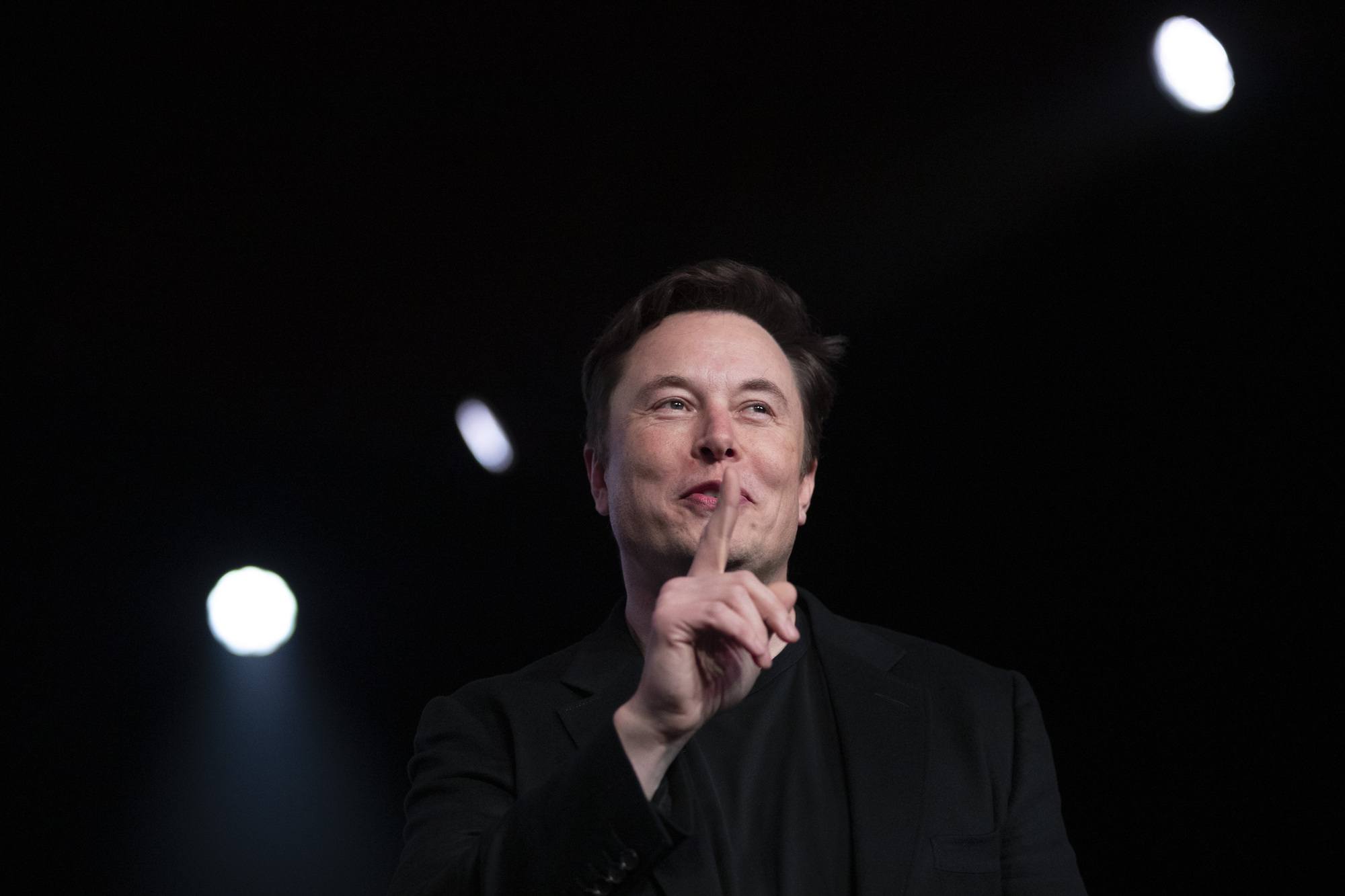
Even if Uber manages to slay Lyft, it will still have to grapple with Elon Musk and his Tesla taxis. | Source: AP Photo / Jae C. Hong

Uber missed the boat to buy Lyft, a mistake that probably took a $20 billion chunk out of their present valuation. If Lyft’s earlier IPO is a huge success, who knows how much further they can eat into Uber’s market dominance.

Don’t look back in anger Uber, enjoy the fact that you are probably worth more now than you ever will be in the future. Once autonomous vehicles are here, Tesla will unleash its fleet of Model 3 taxis.

And you thought Lyft was a problem.

Published at Thu, 28 Mar 2019 18:17:41 +0000

Previous Article

Qtum Price Breaks out as its Trading Volume Surpasses the Market cap

Next Article

Vo1t Leading The Way in Interest-Bearing Cold Storage Accounts for Digital Assets

You might be interested in …

Bitcoin Cash Hard Fork : Price Swings and the Aftermath

It only seems like a couple of days ago that we were all huddled  around our computer screens in nervous anticipation. The countdown tickers onscreen marked the inexorable march towards an event that could change the world. Fingernails were being bitten down to bloody stumps, until finally… zero hour!

So much has happened since then that… What? It was only a couple of days ago! Oh, so did anything happen?


Not Immediately

The alotted time came and went, but there were no signs of any action. So we kept waiting. Twenty minutes later we got confirmation that the split had occurred. But that didn’t make much difference. So we kept waiting.

Half an hour after that we heard that bitcoin Cash balances had become active on the Bittrex exchange.

//platform.twitter.com/widgets.js

It seemed like everyone we knew wanted to dump BCC, but the rush to do so meant that it was next to impossible to access any service by which that was possible.

The quoted price was fluctuating between $420 and $214, but at that stage, we still didn’t really have anything solid to base this market value on.

bitcoin Was Doing Just Fine, BTW

A lack of hash-power and the refusal of blocks under 1MB in size meant that the bitcoin Cash blockchain was stubbornly refusing to move. However, while this was going on (or not going on), the bitcoin blockchain just kept pottering along as though nothing had happened. Because of course, it hadn’t.

//platform.twitter.com/widgets.js

So we kept waiting.

Could This bitcoin Cash Thing Fall at the First Hurdle?

And we kept waiting. Several hours later we got confirmation that the first BCC blocks had been mined. And then the pump began.

Prices surged, at one point topping $750. But we still couldn’t identify any real human beings who had been able to sell. Certainly, many Bitcoinist staffers were desperately asking where it was possible, but all avenues seemed to be blocked.

Site access was crashing under the weight of logins, wallets were “down for maintenance”, and exchanges were telling us all just to calm down until they could ascertain BCC’s viability.

//platform.twitter.com/widgets.js

The Aftermath

The price came back down but has remained between $300 and $500, which is pretty impressive really. The value of your bitcoin plus your bitcoin Cash is more than the value of your bitcoin alone used to be. Nobody can complain about free money.

bitcoin prices dropped very slightly just prior to the split, but all that did was correct the slight surge it had experienced in the days leading up to it. It’s now holding pretty steady (in bitcoin terms) at around the $2750 mark. Back to a sustainable growth value.

Here at Bitcoinist Towers we are still trying (and failing) to sell. Confirmations are taking around two hours and are expected to continue at this rate for the next three months until the hashing difficulty is recalibrated.

//platform.twitter.com/widgets.js

What Happens Now?

Well, we may see another boost in interest if miners don’t follow through with the 2MB block size increase to bitcoin Classic (don’t make me call it that) in November.

Other than that, whether BCC steadies or drops out of sight depends on how many people get behind it. For now, it is holding its own. It is still the fourth biggest cryptocurrency by market cap, so maybe now isn’t yet the time to bet against it.

The only other thing that remains to be seen is whether Coinbase can get back a decent percentage of the customers who left in droves after their decision not to support the new token. Perhaps not a great idea, for a company looking for a new round of investment.

How did you fare after the hard fork? Were you able to sell your bitcoin Cash or are you holding on to it? Let us know in the comments below.


Images courtesy of ViaBTC, Twitter

The post Bitcoin Cash Hard Fork : Price Swings and the Aftermath appeared first on Bitcoinist.com.