November 10, 2026

Capitalizations Index – B ∞/21M

Tron Crypto Review ⚡ What is TRX & Tron Dogs?

Tron crypto review ⚡ what is trx & tron dogs?

Tron Crypto Review ⚡ What is TRX & Tron Dogs?

Tron crypto review ⚡ what is trx & tron dogs?Join me in New York on the 24th http://nac3.io

Worlds 15th largest cryptocurrency trading at $0.04. Circulating supply of 65 billion.

Compare to other platforms Ethereum, Cardano, EOS, NEO, Lisk,

It aims to be a combination between ethereum & steem. Creators will be able to create content/apps/games and they will be able to stake coins like in Steem to gain more authority

ERC-20, After main net (31st march 2018) will be own Tron block chain

Gethub looks like Java and javascript are the two languages being used
https://github.com/tronprotocol

https://tron.network/en.html

https://en.wikipedia.org/wiki/TRON_(cryptocurrency)

https://o836fhe91.qnssl.com/tron/whitebook/TronWhitepaper_en.pdf

https://hackernoon.com/trons-whitepaper-is-copied-plagiarized-cefce74335ce

TRON is a decentralized open-source cryptocurrency that was founded by TRON Foundation. TRON is an application intended to allow content creators to be compensated for sharing their content.[2] TRON incorporates a blockchain based peer-to-peer technology which basically means that like other cryptocurrencies, it is capable of eliminating the middleman. From another aspect, TRON’s technology is a distributed storage facility that allows its users to access entertainment content from every part around the world without seeking assistance from GooglePlay Store or Apple Store. As a result, the content producers are able to receive funds directly from the consumers quickly.

Main selling points
TRON Foundation is based in Singapore and follows the principles of Sir Tim Berners-Lee. Nice concept but this isn’t a system for enforcing copy right. People can still steal and copy content

https://en.wikipedia.org/wiki/Tim_Berners-Lee

Their CEO Justin Sun gets a lot of media coverage
http://www.newsweek.com/what-tron-cryptocurrencys-budding-founder-justin-sun-wants-change-internet-786035

Self proclaimed

-Avoids censorship
-Coin burning

When is the coin burn?
byu/Thecloudmon inTronix

Example of a DAPP
https://tron.game.com/#/home
https://steemit.com/cryptokitties/@theaussiegame/tron-dogs-are-here

From Justin via Twitter:
“Our original version of the whitepaper is in Chinese and we have a very detailed reference to the latest Chinese version. The English, Korea, Japanese and Spanish versions are translated by the volunteers. The translation missed numerous important details not just reference.”

Cons
-It’s chinese based so english investors won’t have access to the best information

-Unclear compensation model

-Massive circulating supply

Copied whitepaper

Tron say that the coin has a circulation of 65 billion coins, too much for it to have any significant monetary value. By contrast, Ripple has a circulation of 38 billion and recently surged past the $3 dollar mark
Time Line
https://tron.network/en.html#timeline

Overall the Tron whitepaper technically is below average. It describes the problem, vision, and schedule well but with buzzwords and code copied from other projects. Nonetheless, it has succeeded to convince investors and gain worldwide attention which IMO relates to Justin’s connections and marketing ability
Previous Article

South Korea Considers Adopting Crypto Exchange Licensing System Like NY’s BitLicense

Next Article

Walnut Creek Blockchain Bootcamp [Mar 5-28, 2018] | Blockchain Training | Bitcoin Training | IT | Training | Ethereum | Solidity | Hyperledger | Distributed Ledger | Smart Contracts | Cryptocurrency | ICO Offerings | Weekday Evenings

You might be interested in …

Bitcoin is Still Illegal in These 6 Countries

As the bitcoin revolution continues to spread throughout the world, there are still some places where buying or using bitcoin is illegal and can get you in trouble.


bitcoin Still Illegal in Some Countries

As bitcoin’s popularity continues to grow throughout the world, some governments are beginning to realize its benefits and potential and are integrating bitcoin and cryptocurrencies in their economy, rather than trying to punish those that use it with restrictive policies and exaggerated taxes.

Japan, for example, has recently passed a law that makes bitcoin a legal form of online payment, removing taxes and setting up a regulatory framework for bitcoin-based businesses. Australia has also taken a stance in favor of cryptocurrencies and removed the double-tax that was penalizing average bitcoin users.

However, not all countries are as forward thinking especially when it comes to cryptocurrencies. Believe it or not, bitcoin is still illegal in some countries, which says a lot about bitcoin as a disruptive technology.

To be clear though, the world’s first decentralized cryptocurrency is not illegal because it poses any risk to the citizens of the countries we will list. Rather, it provides an alternative, open, P2P monetary system — and an exit for some  — which is seen as a threat to their centrally-controlled, legacy monetary system.

All of the countries listed below banned bitcoin in 2014, following the Mt. Gox disaster. As bitcoin begins to gain traction throughout the world, it’s possible that these countries may eventually change their stance on bitcoin and digital currencies.

Vietnam

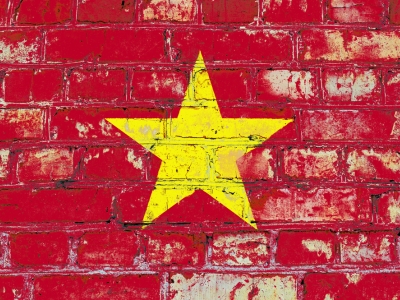
Although bitcoin can be freely used by citizens, the State Bank of Vietnam issued a statement in February 2014 warning against the use of bitcoin and prohibiting credit institutions to deal with the cryptocurrency.

The statement reads:

All bitcoin exchanges that allow users to trade anonymously, therefore, can be used to launder dirty money, sell drugs, hide from paying taxes, exchange and pay for illegal activities.

In December 2016, the government of Vietnam stated that it will consolidate cryptocurrency regulations as its current provisions “fall short.”

Iceland

bitcoin’s legality in Iceland is not very clear. According to a statement issued in March 2014 by the Central Bank of Iceland, dealing with bitcoin may violate the Icelandic Foreign Exchange Act, which specifies that Icelandic currency cannot leave the country and that foreign currency cannot be used in the country.

iceland

bitcoin mining is legal in the country and so is transacting with bitcoin, but apparently if those Bitcoins cannot be purchased from a foreign exchange or have to be mined in Iceland. This leaves a lot of room for questions. The statement reads:

There is no authorization to purchase foreign currency from financial institutions in Iceland or to transfer foreign currency across borders on the basis of transactions with virtual currency. For this reason alone, transactions with virtual currency are subject to restrictions in Iceland.

Bolivia

In May 2014, the country’s central bank, El Banco Central de Bolivia, officially banned any and all currencies not issued and/or regulated by the government, specifying bitcoin, a few other altcoins and any other currencies that do not belong to a state or economic zone.

The statement reads:

It is illegal to use any kind of currency that is not issued and controlled by a government or an authorized entity.

Ecuador

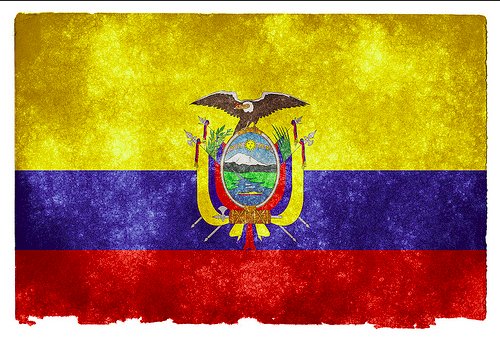
Ecuador not only banned bitcoin and all other cryptocurrencies, but it did so while establishing guidelines for the creation of their own virtual currency.

The National Assembly of Ecuador passed a bill that amends the country’s monetary laws in July 2014, banning cryptocurrencies and allowing the government to issue and transact in its asset-backed “electronic money.”

Kyrgyzstan

In Kyrgyzstan, using bitcoin as a form of payment is illegal, although no law prohibits users from buying, selling and using. In August 2014, the National Bank of the Kyrgyz Republic, issued a statement in which it noted that the use of bitcoin and other cryptos as a form of payment is illegal given that the only legal tender in the country is the country’s Kyrgystani Som (KGS).

The statement reads:

Under the legislation of the Kyrgyz Republic, the sole legal tender on the territory of our country is the national currency of Kyrgyzstan som. The use of ‘virtual currency’, bitcoins, in particular, as a means of payment in the Kyrgyz Republic, will be a violation of the law of our state.

Bangladesh

bitcoin is not legal in Bangladesh. Transacting with any type of decentralized cryptocurrency can get you up to 12 years in jail and it has been so for almost three years.

In September 2014, the Bangladesh Bank issued a statement regarding the use of bitcoin and warning that it is punishable by law. Bank officials said that anyone found guilty of dealing with bitcoin or any other cryptocurrency could be jailed for up to 12 years under current anti-money laundering laws. The central bank went as far as to request citizens not to “spread information about it.”

The statement reads:

bitcoin is not a legal tender of any country. Any transaction through bitcoin or any other cryptocurrency is a punishable offense.

Do you believe these countries will change their stance on bitcoin and build a regulatory framework around it? Let us know in the comments.


Images courtesy of Shutterstock

The post Bitcoin is Still Illegal in These 6 Countries appeared first on Bitcoinist.com.