As the world of bitcoin becomes bigger, more lucrative and more mainstream, there are going to be more eyes on the industry. Here are three easy ways to boost your privacy and security.
Spotlight On Your Security
Whether its surveillance from government agencies or hackers looking for bitcoins and information, here are three ways to improve your bitcoin privacy that you may know, but aren’t exploiting.
Using bitcoin is not anonymous, as most current users already know. The public bitcoin blockchain will not reveal your identity directly, but your bitcoin transfers can be tracked with block explorers. Some of the best ways to improve your privacy – at least until the protocol itself is upgraded with more privacy-enhancing applications – is by upgrading how you interact with the internet itself.
1) Tor Browser
Tor takes the proxy concept to your browser, directly. It’s a free option; you just have to download the browser. Tor is originally a government concept, so if you are trying to , it may not be right for you, but it is the first layer of protection and can give you peace of mind against the low-level online hacker.

This is a far better option than using the same IP every day, in your hometown, for your online banking and your bitcoin usage. If you are just using your local network’s IP, you need to step up your game and step into the 21st century.
2) Using a VPN (Virtual Private Network)
This is something I have used for years that most people online, or who use bitcoin, do not use. A VPN is a great way to use the internet more freely, and bitcoin as well. The main benefit is these networks provide you with an encrypted service, just like bitcoin does. Think of it as the most advanced proxy service you can buy.
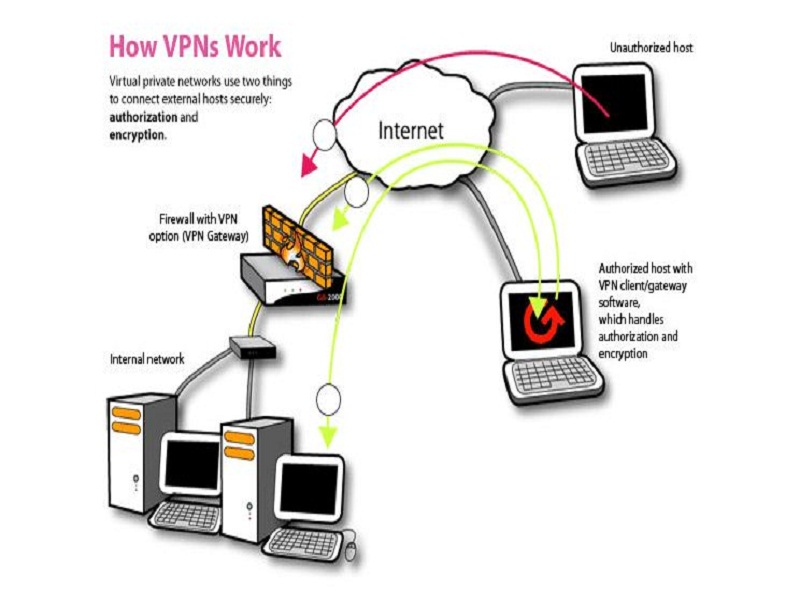
A VPN gives you a choice of servers and IP addresses to choose from. The number of choices will depend upon your choice of VPN network, but the best provide hundreds of thousands of IPs that you can switch between on demand, or at any interval you choose. I set mine to switch every hour, automatically. Try to shop for a , so the VPNs themselves cannot track you. You may want to look into providers like and .
And a VPN can give you better internet access. Maybe the servers in your area are not the fastest, or you live in an area where you have restricted access. With a VPN, you can test all the servers on their network, see which ones are the fastest, or in a less surveilled area, and you are getting more security and faster downloads. A win-win. It’s a great investment in your online peace of mind for $60 a year or so, and many of these services even accept bitcoin for payment, too.
3) Take Your Bitcoins Offline
If you have all your Bitcoins in a common online wallet like , it’s hard to say you are really taking bitcoin privacy and security seriously. No offense to Coinbase or Blockchain, but no one should keep all their bitcoins in one basket.
It is hard to find an online wallet provider that hasn’t been hacked, or isn’t under attack every day for the next decade. Maybe they have outstanding security, but the criminals are coming up with new ways to steal every day, so why take the chance?
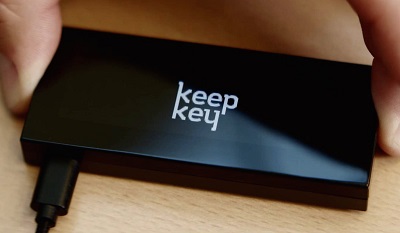
Only store bitcoin in online wallets that you are comfortable losing to theft. A wise bitcoin user with any real cache of bitcoins would keep 80-90% offline in a paper wallet or hardware wallet, such as Case wallet, Ledger, Trezor or .
You only access these bitcoins when you choose to, and can take your wallet on the road with you, or keep it in a safe, offline. Take your bitcoin wealth on the plane and not get harassed by customs. A $60-$99 investment that should give you peace of mind no matter where you roam.
What do you think is the best way to maintain your privacy and bitcoin security? Let us know in the comments below!
Image provided by Abine, Shutterstock
Published at Sun, 12 Feb 2017 11:00:57 +0000
