The Historical Context and Significance of the Genesis Block
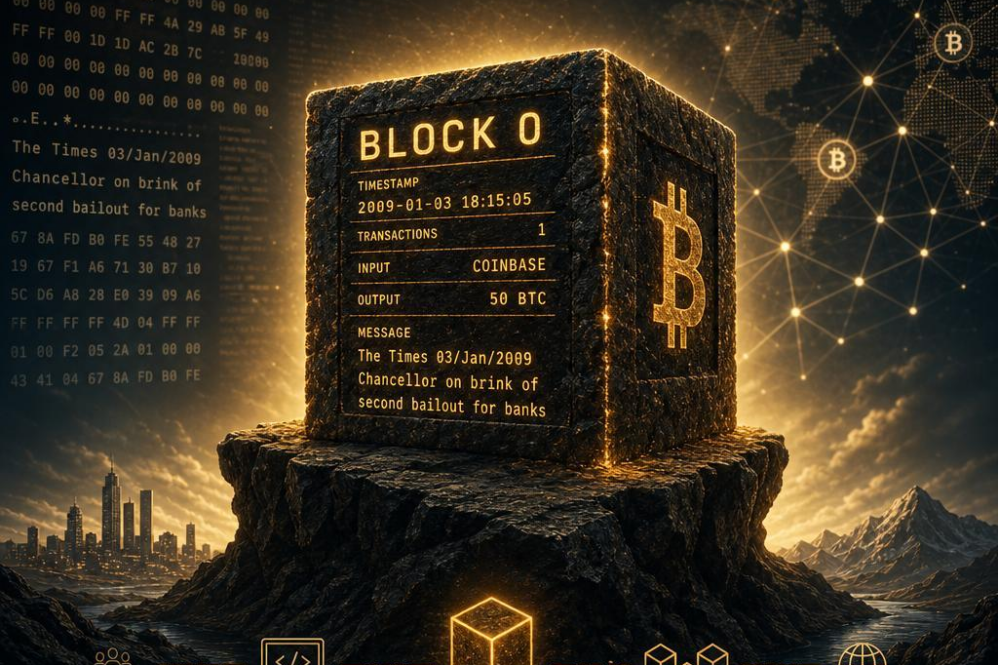
The genesis block, also known as Block 0, is the cornerstone of the bitcoin blockchain, representing the very first block ever mined by Satoshi Nakamoto in January 2009. This block laid the foundational protocol for all subsequent blockchain operations, marking a decisive moment in the evolution of digital currencies. Significantly,the genesis block differs from all other blocks as it was hardcoded into the bitcoin software,without referencing a previous block - a necessity for initializing the chain.
Several unique historical details enrich the significance of the genesis block:
- Embedded within its coinbase parameter is the now-famous message: “The Times 03/jan/2009 Chancellor on brink of second bailout for banks”, a pointed political commentary reflective of the financial crisis context that motivated bitcoin’s creation.
- Unlike subsequent blocks, the reward Bitcoins from this block remain unspendable, perhaps symbolizing a conceptual seed rather than a transactional unit.
- Technologically,it established the proof-of-work consensus mechanism and set the block size and difficulty parameters that would evolve with the network.
The enduring legacy of this inaugural block is often summarized in its role as both a technical milestone and a philosophical declaration. It not only initiated bitcoin’s ledger but also introduced a new paradigm for decentralized trust, clarityand financial sovereignty. This pivotal event continues to resonate within the blockchain industry, serving as a reminder of the groundbreaking innovation that sparked the cryptocurrency revolution.
Technical Composition and Unique Characteristics of bitcoin’s first Block
The inaugural block of bitcoin, often referred to as the “Genesis Block,” is a marvel of cryptographic engineering and a foundational piece of blockchain technology. This block was uniquely hardcoded into the bitcoin software by its creator, Satoshi Nakamoto, laying down the parameters that would govern all successive blocks. Unlike later blocks, it does not reference a predecessor, symbolizing the true beginning of the bitcoin ledger.
Distinctive Features Include:
- Hardcoded Timestamp: The block’s timestamp marks January 3, 2009, establishing the exact moment bitcoin entered the world.
- Coinbase Parameter: Embedded within the block is the message, “The Times 03/Jan/2009 Chancellor on brink of second bailout for banks,” a cryptic nod to the economic conditions sparking bitcoin’s creation.
- Block Reward: The 50 BTC reward from mining this block is permanently unspendable, symbolizing the theoretical genesis of bitcoin’s value system.
| Parameter | Value |
|---|---|
| Block Height | 0 |
| Timestamp | 1231006505 |
| Nonce | 2083236893 |
| Merkle Root | 4a5e1e4baabf… |
The Role of the Genesis Block in Blockchain Integrity and Security
At the heart of every blockchain lies a unique cornerstone: the very first block ever created, often referred to as the genesis block. This block serves as the foundation upon which the entire decentralized ledger is constructed. Unlike all subsequent blocks, the genesis block is hardcoded into the software and does not reference a previous block, making it both the origin and the anchor point for blockchain integrity. Its immutability guarantees a trust anchor for the entire chain, ensuring no malicious alterations can undermine the system’s credibility.
From a security viewpoint,the genesis block is pivotal in establishing the initial state of the blockchain and setting the parameters for all future transactions and validations. It acts as a vital checkpoint, confirming the authenticity of the protocol’s creation and the initial distribution of assets or data. This is why any attempt to tamper with the genesis block would not only invalidate the entire blockchain but also be computationally infeasible due to the consensus mechanism that governs block validation.
Consider the lifecycle of a blockchain through this succinct outline:
- Initialization: The genesis block defines the system’s starting point.
- Consensus Framework: It enforces the rules miners and nodes must follow.
- Chain Integrity: Every block’s validity is traced back to this original block.
| Aspect | Role of Genesis Block |
|---|---|
| integrity Assurance | Acts as immutable trust anchor |
| Security | Prevents unauthorized chain alterations |
| Protocol Initialization | Configures initial network parameters |
Practical Implications for Developers and Enthusiasts Understanding bitcoin’s Origins
Grasping the complexities of bitcoin’s genesis block equips developers and enthusiasts with the foundation to innovate confidently within the blockchain ecosystem. Knowing the precise parameters and the embedded message in this inaugural block reveals the philosophical and technical mindset of bitcoin’s creator, Satoshi Nakamoto. This understanding encourages a deeper appreciation of blockchain’s immutability and transparency, leading to more thoughtful architecture in building decentralized applications or developing secure wallets.
Practical takeaways include:
- Accurate replication of bitcoin’s initial protocol parameters for educational or testing environments.
- Insight into the intentional inclusion of specific metadata that signals bitcoin’s purpose and societal context.
- Knowledge of the block reward mechanics, crucial for grasping mining economics and incentivization models.
| Aspect | Genesis Block Detail | Developer/Enthusiast Benefit |
|---|---|---|
| Timestamp | January 3, 2009 | Understanding bitcoin’s launch context |
| Coinbase Message | “The Times 03/Jan/2009” | Insight into bitcoin’s socio-political commentary |
| Block Reward | 50 BTC (unspendable) | Comprehension of network incentives and reward evolution |

