Navigating the Risks and Rewards in bitcoin Futures Markets
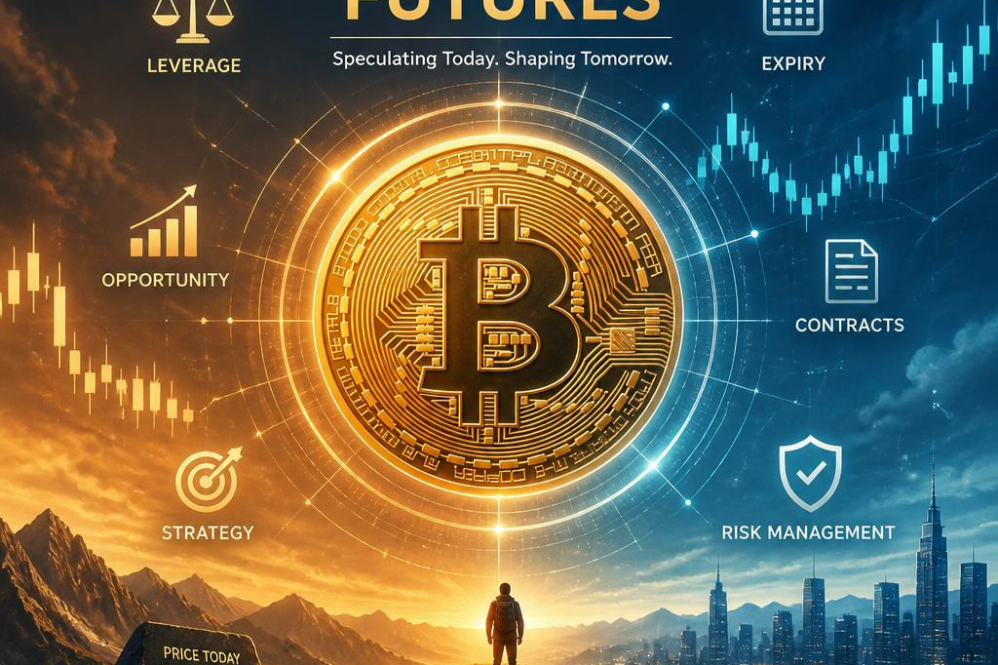
bitcoin futures markets offer a way for traders to speculate on future price movements of bitcoin without actually owning the asset. These markets let you lock in prices and hedge against potential losses, frequently enough using use. But with high potential returns come significant risks,including market volatility and the challenge of accurately predicting short-term price movements.
The main risk is the volatility in cryptocurrency markets. Prices can swing wildly in a short time, leading to big gains or losses for traders. use can amplify both profits and losses, making it easier to incur large losses even with small price movements against an open position. New traders should understand margin trading and the concept of liquidation to avoid unexpected losses.
To manage these risks, traders often set stop-loss orders and use position sizing techniques to limit exposure. A disciplined approach to trading is also key,avoiding emotional or reactive trading. Here’s a simple table outlining some risk management practices:
| Risk Management Practice | Description |
|---|---|
| Position Sizing | Allocating a fixed percentage of trading capital to any single trade or position. |
| Stop-Loss Orders | Setting predetermined price levels at which open positions are automatically closed to limit losses. |
| Regular Review | Periodically assessing trades and strategies to ensure alignment with risk tolerance and market conditions. |
Strategic Insights for Maximizing Returns in bitcoin Futures Contracts
Understanding market trends and volatility is essential when trading bitcoin futures. These contracts allow you to speculate on future price movements without owning the asset. Key indicators like the 200-day moving average can signal significant price movements. Macro factors like government regulations also play a role.
To maximize returns, consider hedging techniques. If you believe prices will rise, you might buy a futures contract to lock in a future selling price for bitcoin you don’t own. If you own bitcoin and fear prices might fall, you could sell a futures contract. This strategy can protect your portfolio during volatile times.
To fine-tune your strategy, consider using automated trading tools. These tools analyze large volumes of data in real-time, identifying patterns and opportunities. For example,an automated system could detect a divergence between price and momentum indicators,suggesting a potential reversal or significant move in price. Using these tools efficiently requires a thorough understanding and continuous monitoring to adjust parameters as market conditions change.
Regulatory Considerations and Compliance in bitcoin Futures Trading
Understanding the regulatory landscape is crucial for bitcoin futures trading. Unlike trading physical bitcoin, futures contracts are subject to strict rules and oversight by financial regulators. In the U.S., the Commodity Futures Trading Commission (CFTC) sets clear guidelines for trading platforms offering bitcoin futures contracts.
Traders must adhere to specific rules and requirements in the country or region where they plan to trade. In the U.S., trading on regulated exchanges like CME Group or CBOE Global Markets requires compliance with CFTC rules, including proper documentation and fulfilling Know Your Customer (KYC) and Anti-Money Laundering (AML) requirements. Other jurisdictions like Japan and Switzerland have different sets of rules and stipulations, but all require heightened security measures.
To stay updated on regulations, traders should consult regulatory updates and guidelines from official bodies like the CFTC. Engaging with legal advisers or compliance officers can also help navigate the complex regulatory landscape. Here’s a brief comparison of key regulatory requirements for bitcoin futures trading in different jurisdictions:
| Region | Regulatory Body | Key Requirements |
|---|---|---|
| United States | CFTC | Compliance with KYC/AML, CFTC rulesand operating on regulated exchanges. |
| Japan | FSA | Registration as a crypto exchange, compliance with AML/KYC and tax reporting. |
| Switzerland | FINMA | Compliance with AML regulation, registration as a financial institution. |