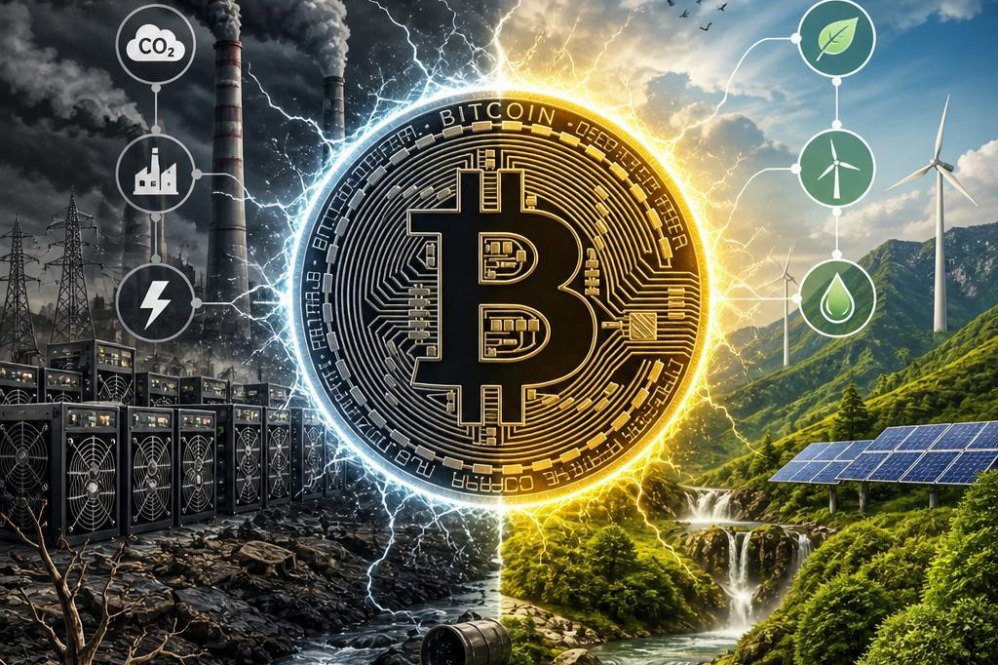
Parts of Venezuela rely on coal-fired power plants, which emit large amounts of carbon dioxide and other pollutants, contributing to climate change and deteriorating air quality. In contrast, regions like Iceland prioritize geothermal and hydroelectric power, which are cleaner but still face challenges in scaling up to meet the high energy demands of bitcoin mining.
The environmental cost of bitcoin mining goes beyond carbon emissions. These operations consume massive amounts of water for cooling equipment, which can strain local water supplies. A single bitcoin transaction could require over 200 liters of water, a significant amount considering the growing number of daily transactions. the disposal of e-waste from outdated mining hardware adds another layer of environmental harm. This waste frequently enough contains hazardous materials like lead and mercury, leading to pollution of soil and groundwater.
Evaluating the Renewable Energy Dependency in Mining
As the demand for cryptocurrencies like bitcoin grows,the environmental implications of their production are under increased scrutiny. The electricity used in bitcoin mining is often tied to renewable energy sources, but the extent to which this is truly enduring is debated. Renewable energy dependency in mining is not just about the type of energy used but also about the geographic and economic context. For example, mining facilities are frequently enough located in areas with abundant and cheap electricity, which can sometimes mean hydroelectric power in China or geothermal energy in Iceland. However, relying solely on such locations to determine environmental sustainability oversimplifies the complex issue. Renewable energy doesn’t guarantee green mining if the broader impact on local ecosystems is ignored.
The challenge is to ensure that these operations do not cause undue stress on local environments or lead to unsustainable practices elsewhere. The key to sustainable mining lies in managing these resources responsibly, integrating environmental conservation with energy efficiency to ensure that the benefits of renewable energy translate to a greener future.
| Renewable Source | Primary Location | Pros | Concerns |
|---|---|---|---|
| Hydroelectric | China, Brazil | Efficient energy storage; low operating costs. | Environmental impact on river ecosystems; displacement of communities. |
| Geothermal | Iceland | High energy output for low environmental impact; stable temperatures. | Economic and technical challenges in expansion. |
| Solar | California, Arizona | No emissions; minimal land disturbance. | Intermittent supply; high initial setup costs. |
Towards Sustainable Practices in Cryptocurrency Operations
As scrutiny over bitcoin’s environmental footprint intensifies, stakeholders are exploring sustainable alternatives to conventional mining operations. One promising avenue is the shift towards renewable energy sources. By integrating wind,solar,or hydroelectric power into mining facilities,operators can significantly reduce their carbon emissions and enhance their eco-friendliness. For example, mining sites near large hydropower dams in regions like Iceland or Quebec can take advantage of excess renewable energy to power their operations without adding to the global carbon footprint.
The concept of “clean mining” focuses on developing more efficient hardware that consumes less energy and produces less waste. This involves modern technological advancements and strategic recycling and reuse of decommissioned equipment. Some mining companies are adopting a circular economy model, where old hardware is stripped down for valuable components rather than being discarded. This approach conserves resources and minimizes environmental impact.
To support sustainable practices, regulatory bodies and industry organizations are collaborating to establish standards and certifications for eco-amiable mining operations. For instance, the Crypto Carbon Rating Institute evaluates mining operations based on their carbon emissions, energy efficiency, and waste management practices. Such initiatives encourage transparency and accountability in the cryptocurrency sector and help consumers and investors make informed decisions. As regulations evolve, they will likely play a pivotal role in steering the industry towards more sustainable practices.
Regulatory Initiatives and Their Environmental Impact
As the environmental costs of bitcoin mining become more apparent, regulatory bodies around the world are taking notice and proposing new rules to mitigate the associated impacts. As an example, China’s sudden crackdown in 2021 effectively shuttered the country’s lucrative but environmentally harmful mining operations.The government’s decision came after years of growing concern about the industry’s massive energy consumption. In Europe, several countries have started to look at mandatory energy efficiency standards and carbon offsets for miners. This shift in regulatory efforts signals a global awakening to the pressing environmental issues linked to cryptocurrency mining.
These regulations often focus on reducing the carbon footprint of mining operations.Some proposals include incentives for miners to use renewable energy sources for their power needs, while others are considering a complete ban on certain types of mining hardware deemed too energy-intensive. Such as, the state of New York introduced a bill that would require all bitcoin miners to use renewable energy, failing which they would face hefty fines. This kind of regulatory move aims to encourage more sustainable practices within the industry and could pave the way for broader international regulations in the future.
These regulations could bring broader environmental benefits. By pushing miners to rely on renewable energy, there is potential to catalyze growth in the renewable energy sector. the shift towards more energy-efficient mining hardware could drive technological innovation.
| Region | Key Initiative | Expected Environmental Outcome |
|---|---|---|
| China | Ban on bitcoin mining operations | Reduction in national energy consumption and carbon emissions |
| New York, USA | Renewable energy requirements for miners | Incentives for green energy development |
| Europe | Carbon offsets and energy efficiency standards | Decrease in the environmental impact of bitcoin mining |