Tata Settles Securities Between 2 National Depositories on a Blockchain
India’s second largest firm by market valuation has completed a trial of cross-border securities settlement between two central securities depositories (CSDs).
Tata Consultancy Services (TCS) Wednesday that the “successful” pilot project created a set of equity and fixed income securities for Morocco’s Maroclear depository and the Kuwait Clearing Company on the BaNCS Network – the firm’s multi-asset transaction management system implemented on its Quartz . Segregated accounts to hold the securities were also created.
In tests conducted by the CSDs, cross-border settlement instructions for these securities were matched and settled “instantaneously” using , TCS said, with confirmation notifications also arriving in real time.
The pilot transactions were settled with “cash coins,” a fiat-pegged stablecoin, on the Quartz using a delivery versus payment (DVP) model.
“Cash coins in a network enable seamless and real-time DVP settlement of cross-border securities transactions,” the firm said, adding that having no delay in settlement “significantly” reduces the currency risks associated with such transactions.
TCS Financial Solutions vice president and co-head R. Vivekanand, said:
“Real-time cross-border settlement with cash coins reduces risks, costs and has the potential to create enhanced liquidity in markets in Middle East and Africa.“
By using technologies like , “we can overcome limitations in prevailing business models and create new business opportunities for our ,” said Fathia Bennis, CEO of Maroclear.
Earlier this week, TCS that its Quartz solution enables clients to connect to RippleNet, a -based payments infrastructure from , in order to help them process cross-border forex remittance transactions.
As far back as 2016, TCS it was working on over 100 pilot projects.
Ohio bitcoin Daily Blockchain Industry Topic Nov 7th Blockchain on Medium Daily Blockchain Industry Topic Nov 7th Reviewing and compile blockchain industry topic, updating market references and research environment. Continue reading on CollaboGate Research Blockchain […]
According to IndieSquare Co-founder Koji Higashi, new regulations in Japan, which will make bitcoin an official form of payment (starting today April 1), may do more harm than good for the fledgling industry in the country.
Japan to Introduce Own ‘Bitlicense’
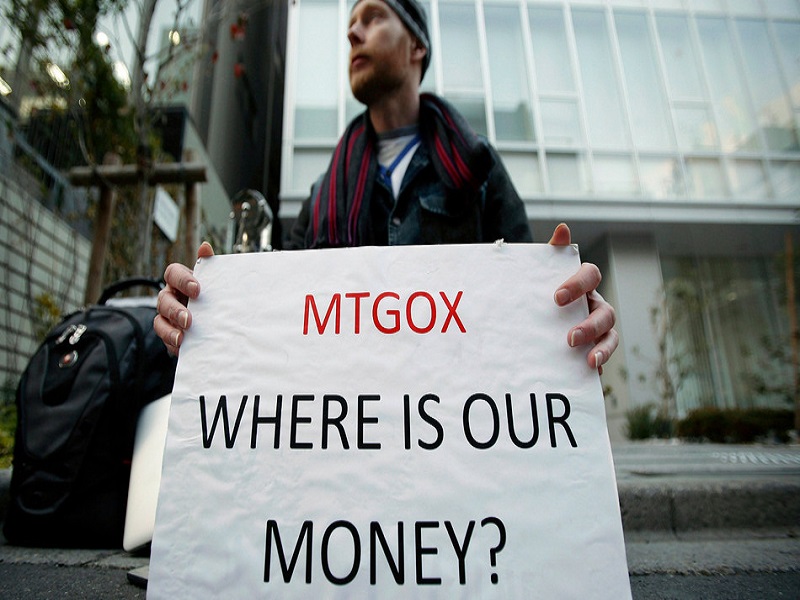
Following the disastrous demise of the infamous Japanese exchange, Mt. Gox and the arrest of its CEO , regulators in the country decided to introduce regulations for bitcoin.
The regulatory framework has been in the works for over two years. The first bill was submitted to the Diet in Japan (the legislature consisting of the Lower and the Upper Houses) last March, and the Payment Services Act and the Act on Preventing of Transfer of Criminal Proceeds were in May 2016. Now, new drafts for detailed regulations and guidelines have been approved.
The new law, which is now in place starting today (April 1), is meant to protect consumers and to help them distinguish safe, i.e. approved exchanges, from fraudulent operations.
The law also recognizes approved cryptocurrencies as a legal method of payment in Japan, preventing users from investing in so-called scam coins, fake digital assets, and IOU tokens.
Although praised by western and Japanese media alike, the new regulatory framework may pose serious problems for the Japanese bitcoin community, according to Koji Higashi, Co-Founder of and Community Director at the Counterparty Foundation.
In a , Higashi outlines the major issues with what he calls “Japan’s Bitlicense” due to the similarities found between the two, saying:
I’d actually argue that this law may turn out to be more damaging to the Japanese industry in the long run than what Bitlicense has been to NY.
Why It Could Be Worse Than NY’s
The Bitlicense introduced in New York has been by the community as damaging for bitcoin startups in the region due to the bureaucracy and high entry barriers for small startups. It resulted in several startups like and halting services for NY-based customers.
Now, Japan is doing the same, explains Higashi. “If you are not a fan of the excessive cost for legal and compliance fee for bitcoin startups, however, the new law in Japan is certainly not exciting news for you,” he notes.
Among others, the requirements involve the submission of a 3-year business plan, segregated fund management, KYC/AML requirements, segregated fund management, frequent reporting to authority, and external audits.
Some experts estimate that the costs involved with becoming a compliant exchange could be as high as $300,000-$500,000 USD. Moreover, additional fees and paperwork will also apply to companies beyond trading platforms and will affect P2P decentralized exchanges as well.
Higashi:
It’s hard to say whether the regulation in Japan is more costly than the Bitlicense but I can say it’s expensive enough to put serious financial pressure on startups and may force them to go out of business completely in some cases.
Another issue with the new regulatory framework is that it will require virtual currencies to be accepted into an official list of approved coins. Although this system may protect users from being scammed out of their savings, it may end up damaging the reputation of coins that don’t make it to the list, which will most likely be a conservative one at best.
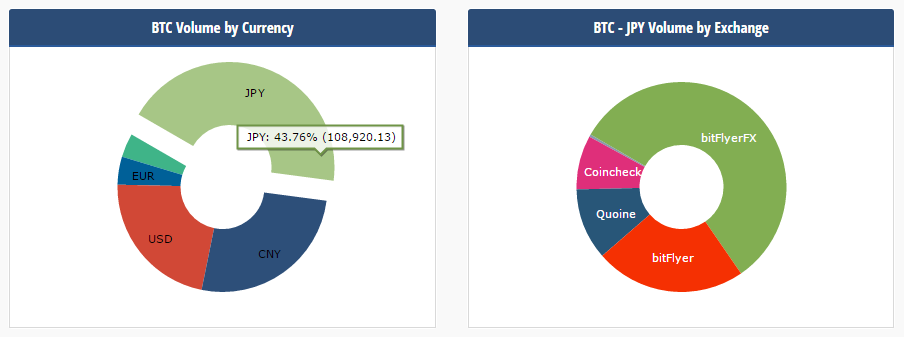
The new regulations may affect bitcoin startups negatively but are also likely to push adoption forward and to create a sense of trust for new users in the virtual currency space. Japan is in the bitcoin market. For example, trading volume in Japan has recently surpassed that of China and the U.S.
The country is experiencing growing interest in bitcoin from users, investors, and . Blockchain is also a technological focus point both for and the government. The Japanese community is also one of the biggest investors in crypto-related crowdfunding campaigns and Initial Coin Offerings, according to Higashi.
[Note: This article was originally published on February 9, 2017. It has been updated as today (April 1) is the first day Japan’s new cryptocurrency law comes into effect.]
Will the new regulations drive companies away from Japan? Or will it usher a new age for cryptocurrency adoption in the country?
Images courtesy of CryptoCompare, Shutterstock, Counterparty.io
Bing: bitcoinbitcoin – Wikipedia bitcoin is a cryptocurrency and worldwide payment system.: 3 It is the first decentralized digital currency, as the system works without a central bank or single … more info…