Is Bitcoin a Good High-Risk, High-Reward Investment?
bitcoin exemplifies high-risk, high-reward investing: extreme volatility, regulatory uncertainty, and security concerns, yet significant upside potential for informed, risk-tolerant investors.
Capitalizations Index – B ∞/21M
bitcoin exemplifies high-risk, high-reward investing: extreme volatility, regulatory uncertainty, and security concerns, yet significant upside potential for informed, risk-tolerant investors.
Here is a possible excerpt:
“bitcoin’s price may plummet, but its resilience is undeniable. Despite experiencing multiple crashes and bear markets, the cryptocurrency continues to attract investors seeking long-term stability. Historically, bitcoin’s value has consistently bounced back from downturns, fueled by growing adoption, improving infrastructure, and unwavering community support.”
bitcoin’s price is shaped by supply limits, investor demand, macroeconomic events, regulation, and market sentiment, rather than intrinsic value or traditional cash flows.
bitcoin faces major risks beyond price swings: uncertain regulation, potential technical flaws or attacks, and fragile trust in exchanges, developers, and the broader ecosystem.
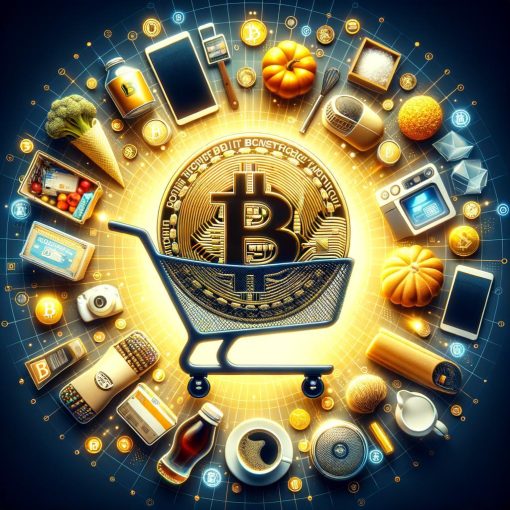
bitcoin is increasingly accepted for everyday purchases, but adoption remains uneven-driven by merchant integration, payment tools, volatility, and local regulation, limiting widespread use.
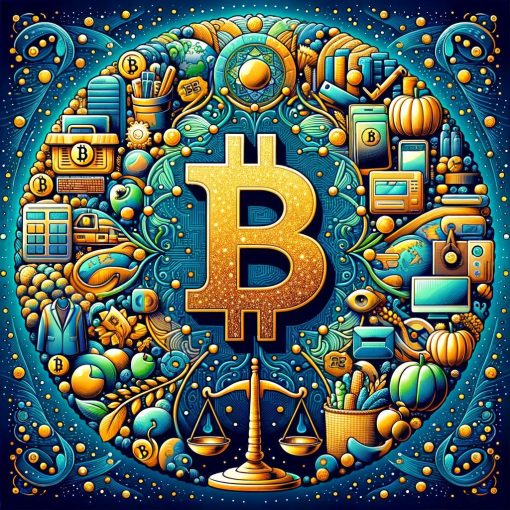
bitcoin adoption for everyday purchases is rising, driven by merchants and apps, but remains uneven across regions and demographics due to volatility, fees, and limited retail acceptance.

bitcoin carries risks: extreme price volatility, uncertain and changing regulation, technical vulnerabilities and operational failures, and permanent loss of access to private keys or wallets.
HODL Explained: a long-term bitcoin holding strategy where investors resist short-term trading, focusing on patience, risk tolerance, and belief in BTC’s long-term value to weather volatility and market cycles.
bitcoin offers borderless payments, censorship resistance and scarce supply, but volatility, scalability, regulatory uncertainty and limited merchant adoption constrain its ability to fully replace traditional money.
bitcoin’s price reflects supply (fixed issuance, circulating coins), demand (investors, payments, macro liquidity) and market sentiment (news, regulation, speculation), which together drive volatility.