Bitcoin vs. Ethereum: Money vs. Application Platform
bitcoin is primarily digital money, optimized for security and scarcity. Ethereum goes further: a programmable platform enabling smart contracts, decentralized apps, and tokenized assets.
Capitalizations Index – B ∞/21M
bitcoin is primarily digital money, optimized for security and scarcity. Ethereum goes further: a programmable platform enabling smart contracts, decentralized apps, and tokenized assets.
bitcoin’s fixed 21 million supply cap is central to its design, limiting inflation and mimicking scarce resources like gold. This hard limit shapes its value, security, and long‑term economic role.
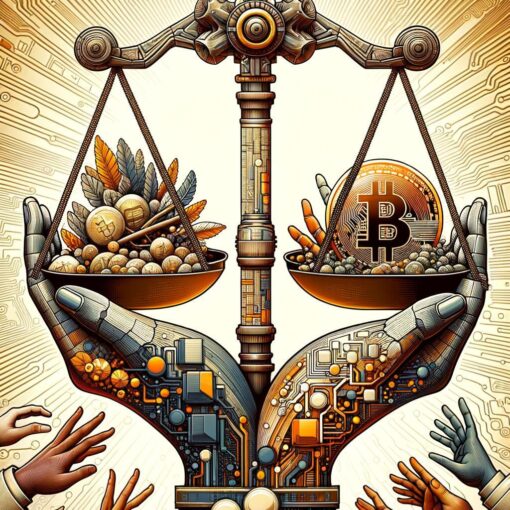
bitcoin’s value is driven by fixed supply, halving events, and fluctuating demand. As more investors seek limited coins, price pressure rises, mirroring classic market dynamics.

bitcoin is often called “digital gold” because, like gold, it has a limited supply, is difficult to counterfeit, and is seen as a store of value that operates outside traditional banking systems.

Hyperbitcoinization describes a future where bitcoin becomes the dominant global money. This shift could reshape finance, reduce reliance on central banks, and transform cross-border trade.
bitcoin’s fixed supply is enforced by consensus rules embedded in node software. Changing it would demand near-unanimous agreement, risking chain splits and loss of network trust.
bitcoin’s value rests on digital scarcity, strong cryptographic security, and growing real‑world use. A fixed supply, decentralized validation, and global adoption together sustain its market price.

Amid global monetary turmoil and inflation fears, bitcoin is attracting investors as a decentralized store of value, offering transparency, censorship resistance and limited supply.
HODL, a misspelling of “hold,” reflects a long-term bitcoin strategy. Rather than timing short-term price swings, holders aim to benefit from potential future adoption and scarcity.

bitcoin’s 21 million supply cap is hard‑coded in its protocol, enforced by halving events and network consensus, ensuring predictable scarcity and preventing inflation.