

Bitcoin: Understanding the Digital Currency Basics
bitcoin is a decentralized digital currency that enables peer-to-peer transactions without intermediaries. It relies on blockchain technology, cryptographic security, and a fixed supply to store and transfer value.

How to Earn Bitcoin: Mining, Work, and Sales
Learn practical ways to earn bitcoin: mine with hardware or join pools, get paid for freelance work or salaries, and sell goods or services for BTC. Understand fees, taxes, and security risks.
What Is Bitcoin: Decentralized Digital Currency Explained
bitcoin is a decentralized digital currency enabling peer-to-peer transfers without intermediaries, secured by blockchain and cryptography, offering transparency, limited supply, and programmable transactions.
Buying Bitcoin: Exchanges, Peer-to-Peer, and ATMs
Learn how to buy bitcoin safely via exchanges, peer-to-peer platforms, and crypto ATMs. Compare fees, verification, payment methods and security to choose the best option for convenience and privacy.
What Is Blockchain: Public Decentralized Ledger for Bitcoin
Blockchain is a public, decentralized ledger that records bitcoin transactions across a distributed network. Immutable blocks link via cryptographic hashes, ensuring transparency, security, and trust without intermediaries.
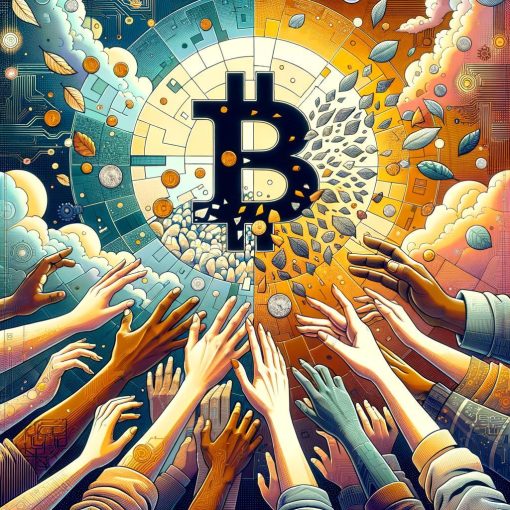
Who Controls Bitcoin? Consensus, Not a Single Entity
bitcoin isn’t run by one person or company; control emerges from decentralized consensus. Miners, node operators, developers and users coordinate protocol changes through open, rule-based processes.


Bitcoin Is Decentralized: Thousands of Nodes and Miners
bitcoin’s decentralization stems from thousands of independent nodes and miners worldwide that validate transactions, secure the network, and prevent single-point control or censorship.