
How Supply and Demand Dynamics Shape Bitcoin’s Value
bitcoin’s value is driven by fixed supply, halving events, and fluctuating demand. As more investors seek limited coins, price pressure rises, mirroring classic market dynamics.
Capitalizations Index – B ∞/21M
bitcoin’s value is driven by fixed supply, halving events, and fluctuating demand. As more investors seek limited coins, price pressure rises, mirroring classic market dynamics.

Hyperbitcoinization describes a future where bitcoin becomes the dominant global money. This shift could reshape finance, reduce reliance on central banks, and transform cross-border trade.

Amid global monetary turmoil and inflation fears, bitcoin is attracting investors as a decentralized store of value, offering transparency, censorship resistance and limited supply.
bitcoin’s appeal is rising as inflation, currency devaluations, and capital controls weaken trust in traditional money, prompting investors to seek borderless, scarce digital assets.
Hyperbitcoinization is the theorized shift from national currencies to bitcoin as primary money, driven by its scarcity, security, and resistance to inflationary monetary policies.
bitcoin’s price is shaped by supply limits, investor demand, macroeconomic events, regulation, and market sentiment, rather than intrinsic value or traditional cash flows.
bitcoin differs from traditional government money through decentralization, capped supply, and borderless transfers, challenging state control and conventional monetary policy.
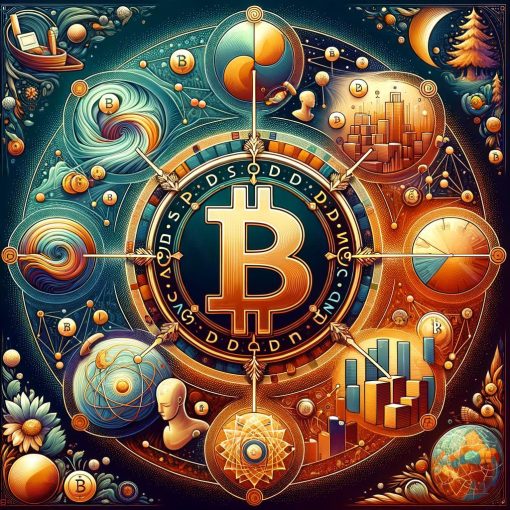
bitcoin’s price reflects supply (fixed issuance, circulating coins), demand (investors, payments, macro liquidity) and market sentiment (news, regulation, speculation), which together drive volatility.