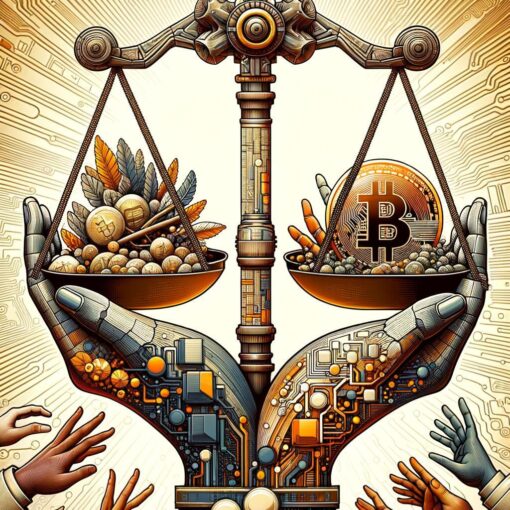
How Supply and Demand Dynamics Shape Bitcoin’s Value
bitcoin’s value is driven by fixed supply, halving events, and fluctuating demand. As more investors seek limited coins, price pressure rises, mirroring classic market dynamics.
Capitalizations Index – B ∞/21M
bitcoin’s value is driven by fixed supply, halving events, and fluctuating demand. As more investors seek limited coins, price pressure rises, mirroring classic market dynamics.

bitcoin is often called “digital gold” because, like gold, it has a limited supply, is difficult to counterfeit, and is seen as a store of value that operates outside traditional banking systems.
Hyperbitcoinization describes a future where bitcoin becomes the dominant global money. This shift could reshape finance, reduce reliance on central banks, and transform cross-border trade.

Amid global monetary turmoil and inflation fears, bitcoin is attracting investors as a decentralized store of value, offering transparency, censorship resistance and limited supply.
bitcoin’s “digital gold” status comes from its fixed supply, resistance to censorship, and decentralized design, making it a popular hedge against inflation and currency debasement.
bitcoin is often called “digital gold” because, like gold, it has a limited supply, is costly to produce, and is used by investors as a hedge against inflation and currency risk.
Hyperbitcoinization is the theorized shift from national currencies to bitcoin as primary money, driven by its scarcity, security, and resistance to inflationary monetary policies.
bitcoin’s four‑year issuance halving cuts block rewards by 50%, slowing new supply. This programmed scarcity influences miner incentives, market dynamics, and long‑term price expectations.
bitcoin’s value stems from collective trust in its network, programmed scarcity capped at 21 million coins, and practical utility as a borderless, censorship-resistant digital asset.
Can bitcoin truly replace traditional money? This question raises key issues about stability, regulation, scalability, and trust in digital systems versus long‑established currencies.