Using Bitcoin for Everyday Purchases: Growing, Uneven
bitcoin adoption for everyday purchases is rising, driven by merchants and apps, but remains uneven across regions and demographics due to volatility, fees, and limited retail acceptance.
Capitalizations Index – B ∞/21M
bitcoin adoption for everyday purchases is rising, driven by merchants and apps, but remains uneven across regions and demographics due to volatility, fees, and limited retail acceptance.
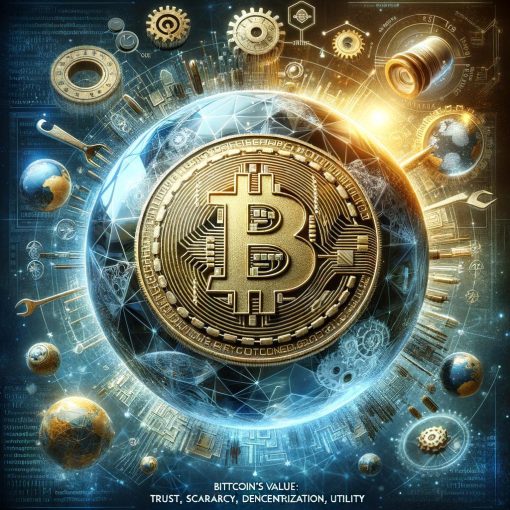
bitcoin’s value stems from limited supply, cryptographic security, and growing utility. Scarcity creates digital rarity like gold, robust security protects ownership, and utility enables payments, settlement, and programmability.
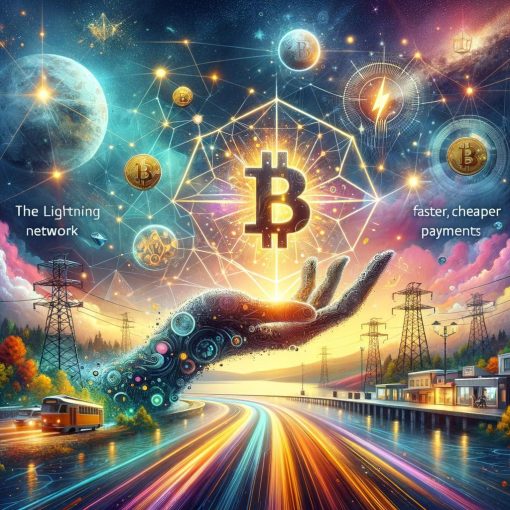
The Lightning Network enables faster, lower-cost bitcoin payments using off-chain payment channels to settle transactions instantly and cut fees, boosting scalability for microtransactions and everyday use.
bitcoin is dubbed ‘digital gold’ because its fixed 21 million supply, predictable issuance and decentralized validation create scarcity and store-of-value properties similar to gold, attracting long-term investors.
bitcoin’s value stems from trust in its protocol, scarcity via a 21M cap, decentralized consensus removing central control, and growing utility as a digital store of value and medium of exchange.
Blockchain is a decentralized public ledger that records bitcoin transactions in timestamped, immutable blocks. It ensures transparency, security, and consensus without a central authority.
bitcoin cannot be counterfeited: cryptographic keys, digital signatures and decentralized consensus ensure every coin’s history is verifiable, immutable, and protected by computational proof.
bitcoin offers borderless payments, censorship resistance and scarce supply, but volatility, scalability, regulatory uncertainty and limited merchant adoption constrain its ability to fully replace traditional money.
bitcoin’s value stems from built-in scarcity and cryptographic security, reinforced by a decentralized network and real-world utility, from payments to a store of value, creating trust without intermediaries.