Understanding Bitcoin: How the Digital Currency Works
bitcoin is a decentralized digital currency that runs on a public ledger called the blockchain. It enables secure, peer‑to‑peer transactions without banks or governments.
Capitalizations Index – B ∞/21M
bitcoin is a decentralized digital currency that runs on a public ledger called the blockchain. It enables secure, peer‑to‑peer transactions without banks or governments.
bitcoin replaces central authorities with a distributed ledger, where nodes validate transactions and miners secure the network through proof-of-work consensus.
bitcoin mining secures the network by verifying transactions and adding them to the blockchain. Miners use computational power to solve cryptographic puzzles, preventing fraud.
bitcoin is no longer just a speculative asset; it’s slowly entering daily life. From online retailers to select cafes, acceptance is growing, but remains uneven by region and industry.
Can bitcoin truly replace traditional money? This question raises key issues about stability, regulation, scalability, and trust in digital systems versus long‑established currencies.
bitcoin differs from traditional government money through decentralization, capped supply, and borderless transfers, challenging state control and conventional monetary policy.
bitcoin focuses on secure, decentralized digital money, while Ethereum is built as a programmable platform for decentralized applications and smart contracts beyond payments.
bitcoin promises fast, borderless payments, but can it really replace cash or cards at the checkout? This article examines fees, speed, volatility and usability in daily spending.
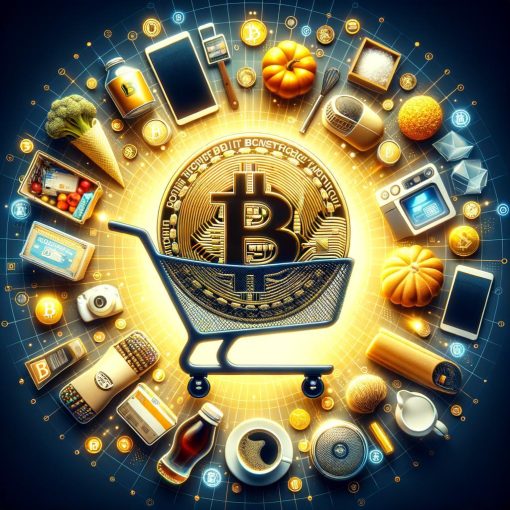
bitcoin is increasingly accepted for everyday purchases, but adoption remains uneven-driven by merchant integration, payment tools, volatility, and local regulation, limiting widespread use.