Why Bitcoin Is Called ‘Digital Gold’: Scarcity and Value
bitcoin is called ‘digital gold’ because its 21 million cap and predictable issuance create scarcity akin to gold. Decentralization, divisibility and durability support its role as a digital store of value.
You Can Buy Fractional Bitcoin for Just a Few Dollars
bitcoin can be bought in fractions, allowing investors to start with just a few dollars. Exchanges and apps let users purchase tiny amounts, lowering barriers and enabling gradual crypto exposure.

What Is a Bitcoin Miner? Hardware Validators Explained
A bitcoin miner is specialized hardware that validates transactions and secures the blockchain by solving cryptographic puzzles. Miners earn rewards and maintain network consensus and integrity.
Bitcoin and Anonymity: Pseudonymity, Not Full Privacy
bitcoin offers pseudonymity: transactions link to addresses, not names, but blockchain transparency, analysis tools and custody services can trace activity. It provides privacy layers, not absolute anonymity.
What Is HODL? Holding Bitcoin Long-Term Despite Volatility
‘HODL’ means holding bitcoin through price swings instead of selling. It reflects a long-term belief in crypto’s value, accepting short-term volatility to pursue potential future gains.
Hyperbitcoinization Explained: Bitcoin as Global Currency
Hyperbitcoinization describes a rapid shift to bitcoin as the dominant global currency, driven by network effects, monetary policy contrasts, and adoption incentives, reshaping finance, trade, and savings worldwide.
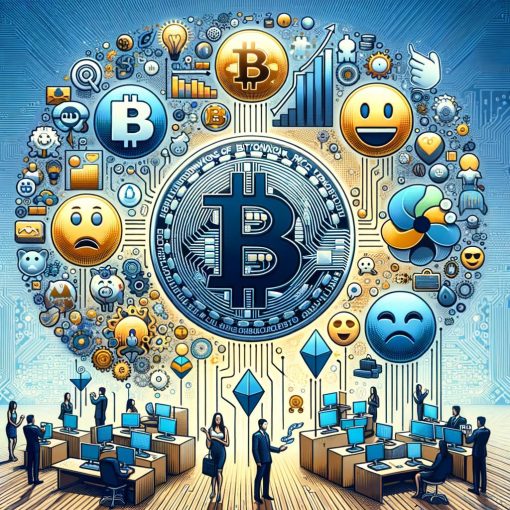
Determinants of Bitcoin Price: Supply, Demand, Sentiment
bitcoin prices are driven by supply dynamics (fixed supply, halving), demand factors (adoption, investment flows) and market sentiment-news, social media, and regulatory signals that amplify volatility.