Getting Started With Bitcoin: Wallets, Buying, Sending
Discover how to start with bitcoin: learn what wallets are, how to choose one, where to buy safely, and how to send your first transaction securely and efficiently.
Capitalizations Index – B ∞/21M
Discover how to start with bitcoin: learn what wallets are, how to choose one, where to buy safely, and how to send your first transaction securely and efficiently.
Hardware wallets store bitcoin private keys offline, shielding them from malware and phishing. By isolating signing operations, they greatly reduce the risk of theft and unauthorized access.



bitcoin’s security hinges on private keys: control equals ownership. Protect keys with hardware wallets, strong backups and secure storage; loss, theft, or exposure-not the protocol-threaten funds.

A hot wallet is an internet-connected bitcoin wallet used for frequent transactions. It offers convenience and fast access but poses higher security risks than cold storage, requiring strong passwords and 2FA.
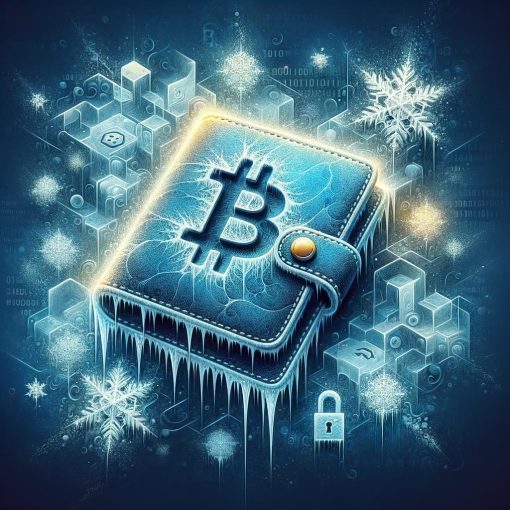
A cold wallet stores bitcoin offline, keeping private keys away from internet threats. It uses hardware devices, paper backups, or air-gapped systems to provide strong protection against hacks and theft.

bitcoin can be lost: without access to private keys or if sent to a wrong or unspendable address, coins are irretrievable on the blockchain. Secure backups and address verification prevent loss.

bitcoin is a decentralized digital currency that enables peer-to-peer transactions without intermediaries. It relies on blockchain technology, cryptographic security, and a fixed supply to store and transfer value.