
Bitcoin vs. Ethereum: Money vs. Application Platform
bitcoin is primarily digital money, optimized for security and scarcity. Ethereum goes further: a programmable platform enabling smart contracts, decentralized apps, and tokenized assets.
Capitalizations Index – B ∞/21M
bitcoin is primarily digital money, optimized for security and scarcity. Ethereum goes further: a programmable platform enabling smart contracts, decentralized apps, and tokenized assets.
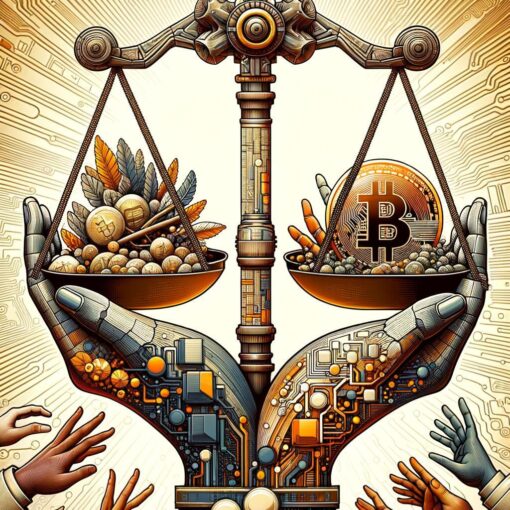
bitcoin’s value is driven by fixed supply, halving events, and fluctuating demand. As more investors seek limited coins, price pressure rises, mirroring classic market dynamics.

bitcoin transaction fees reward miners for including transactions in blocks. As block subsidies decline over time, these fees become crucial to sustain miner incentives and network security.

bitcoin’s four-year issuance halvings reduce miner rewards by 50%, slowing new coin supply. This programmed scarcity shapes long‑term inflation, miner incentives, and market expectations.

bitcoin’s fixed supply is enforced by consensus rules embedded in node software. Changing it would demand near-unanimous agreement, risking chain splits and loss of network trust.

As bitcoin nears its 21 million cap, mining will shift from earning new coins to relying mainly on transaction fees, reshaping incentives, security, and network economics.

bitcoin’s protocol cuts block rewards in half every 210,000 blocks, roughly every four years, slowing new supply, reinforcing scarcity, and influencing miner incentives and market dynamics.

Despite popular belief, no single entity controls bitcoin. Power is distributed across miners, node operators, developers, and users, whose consensus secures and governs the network.

bitcoin’s proof of work relies on miners solving complex cryptographic puzzles to validate blocks, secure the network, and make attacks costly through high energy and hardware demands.
bitcoin’s decentralization distributes control across thousands of nodes, reducing single points of failure. This broad participation makes coordinated attacks harder, boosting resilience.