
Bitcoin vs. Ethereum: Money vs. Application Platform
bitcoin is primarily digital money, optimized for security and scarcity. Ethereum goes further: a programmable platform enabling smart contracts, decentralized apps, and tokenized assets.
Capitalizations Index – B ∞/21M
bitcoin is primarily digital money, optimized for security and scarcity. Ethereum goes further: a programmable platform enabling smart contracts, decentralized apps, and tokenized assets.

Blockchain is bitcoin’s public ledger: a shared, tamper‑resistant record of all transactions. It lets participants verify transfers without banks, using consensus across a distributed network.

As bitcoin adoption grows, buyers are moving from everyday goods to real estate purchases. This shift raises new questions about regulation, valuation, and transaction security.

A higher bitcoin hash rate means more computing power securing the network. This makes attacks like double-spending and 51% attacks significantly harder and more expensive.

bitcoin’s fixed 21 million supply cap is central to its design, limiting inflation and mimicking scarce resources like gold. This hard limit shapes its value, security, and long‑term economic role.
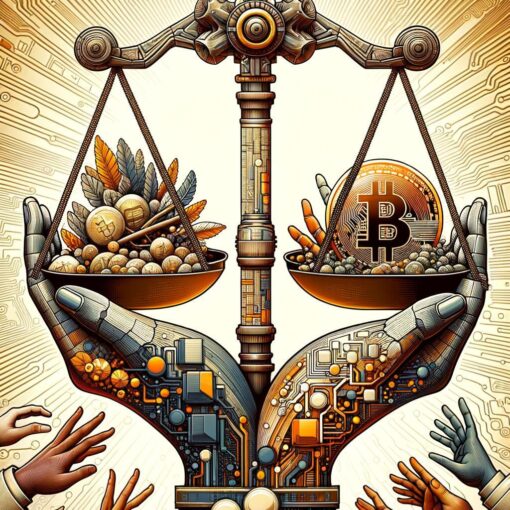
bitcoin’s value is driven by fixed supply, halving events, and fluctuating demand. As more investors seek limited coins, price pressure rises, mirroring classic market dynamics.


bitcoin hard forks and chain splits occur when network participants disagree on protocol rules. Understanding their causes, risks, and outcomes is key to informed participation.

bitcoin’s market capitalization has surged past the $1 trillion mark, highlighting renewed investor interest, expanding institutional adoption, and growing confidence in digital assets.

bitcoin transaction fees reward miners for including transactions in blocks. As block subsidies decline over time, these fees become crucial to sustain miner incentives and network security.