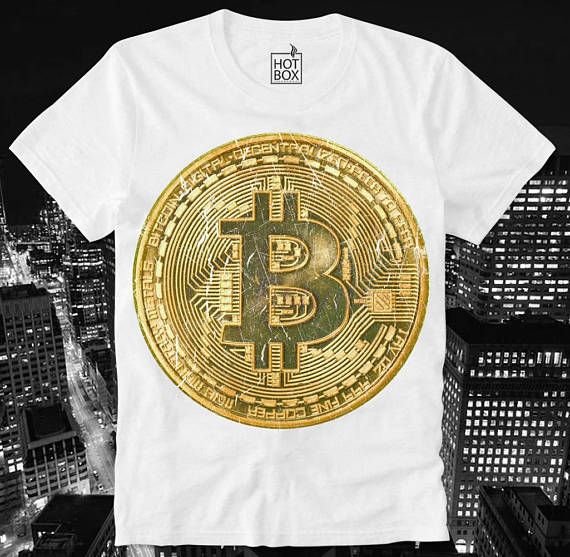
Selling the tee shown above. The shirt is made from 100% cotton and was imprinted with the highly qualitative and eco-friendly "direct to garment" technique, a real eyecatcher. We from HOTBOX Inc. have a long experience in the t shirt business and we guarantee best textile and print quality. Finally also at Etsy! We wish you tons of joy and excitement with your new shirt.
South Korean Lawmakers Seek Reversal of Ban on ICOs The regulatory landscape in South Korea tends to change quite a bit. Especially when it comes to cryptocurrency and ICOs, the future looks rather bright. A […]
The latest data from bitcoin remittance app Bitwala reveals a growing trend in bitcoin adoption among citizens of developing countries.
‘Steep Adoption Rate’
Bitwala, a bitcoin-based remittance app, shared some in its blog post yesterday in which we can see that bitcoin is becoming increasingly popular in certain developing countries. The blog post reveals a “steep adoption rate” in developing countries both from Africa and Asia, the two continents with the highest number of unbanked citizens.
Bitwala reveals that, while their early adopters came from Europe and North America, the total number of sign ups from developing countries is catching up to those of Europe and the U.S, making up approximately 30% of new signups globally.
Among the developing countries, most are from North Africa, a region that makes up for 4.4% of its website’s visitors.
This growing trend among developing countries, where financial exclusion is the norm, reveals a growing need for the citizens of these countries to interact with the world economy and to access financial services, typically provided by banks. However, these regions are also the ones where banking service fees are the .
Bitwala explains:
At a cost of $4 billion per year, international transfers to Africa are the most expensive in the world. Furthermore, online and offline businesses also continue to pay a steep price for transferring money abroad or even domestically as the majority of banks charge between 10-19% on any transfers to, from and within African countries.
According to Bitwala, banks are not concerned with financial inclusion and prefer instead to charge higher fees in places where financial services are harder to access, taking full advantage of their monopoly in underbanked regions.
This is one of the reasons why bitcoin is regarded as a game-changer by some. It has the ability to bypass middlemen bank, enabling direct value transfer while empowering users while giving people more control over their money.
“The strength of bitcoin and the blockchain technology that it relies on is that it allows you to send money across borders without paying the steep fees charged by traditional gatekeepers like Western Union, MoneyGram, Ria and others,” Bitwala explains.
According to , the cheapest transaction fee for a bitcoin transaction is currently at around $0.50, or 0.0003616 btc. While, admittedly, not ideal for , it’s still cheaper than the 10-19% charged by banks on “any transfers to, from and within African countries.”
But bitcoin is not only about remittances. It also gives people access to a growing number of financial services including e-commerce, , and money management platforms, provided they have access to an .
As more and more people in these regions become aware of bitcoin and its ability to empower them and to give them access to financial services globally and at much lower costs, bitcoin will continue to attract users.
“People often say necessity is the mother of invention but I like to say necessity is also the mother of adoption,” Lightning CEO Elizabeth Stark says in the new documentary .
If there is a real use case that people need a technology for, they start using it.
Can bitcoin help citizens in developing countries achieve financial prosperity? Let us know what you think in the comment section.
wallstreetexaminer.com / by Craig Wilson via The Daily Reckoning / April 3, 2017
Jim Rickards joined to discuss his book The Death of Money and the debt ceiling issues facing Trump and Congress. During the interview the two discuss everything from what to expect from Federal Reserve policy to gold prices in the coming months and years.
To start out the interview was asked on the national debt where he contends, “The debt ceiling is very important. The United States runs budget deficits year after year. In the last 50 years we have only had minimal surplus years under Nixon and Clinton. We currently have $20 trillion of debt. The Treasury cannot just borrow however much they want. The U.S Congress limits the Department of the Treasury’s ability to borrow, what is called the debt ceiling. When the Treasury wants to borrow more, you have to raise the ceiling ceiling by the legislative process – an act of Congress.”
“Officially the existing debt ceiling ran out on March 15 and the Treasury cannot borrow any more money. Right now the Treasury is within tax season so it has positive cash flow. They have more in than going out and will not need to borrow at the exact moment. That is strictly temporary and a function of tax season in. Once we get through April, the shoe is on the other foot.”
“They’re going to hit a “hard ceiling” probably by August, if not sooner. Then the issue becomes whether Congress gives the Treasury the authority to borrow more money. The problem is when passing a debt ceiling bill, the “strings attached” deals that come with them. You gain some members in doing deals and lose others. We saw that with the health fiasco and the repeal of Obamacare failed not because of Democrats but because of Republicans who could not agree amongst themselves.”