· April 15, 2018 · 3:00 am
SAFT – The Not So ‘Simple Agreement for Future Tokens’
Capitalizations Index – B ∞/21M
The SAFT may be a cousin of the SAFE – but the relationship comes with strings attached and anyone considering doing down the rabbit hole should consider potential implications very carefully.
The rise of ICOs has been difficult to ignore. What was once seen as a gimmick is now threatening to reshape the fundraising industry. This is particularly the case for VCs and investors who are concerned with very early stage investments. The fear of missing out (FOMO) and being left behind the curve has prompted VCs and other “institutional” type investors to look for ways to hop on the bandwagon and enjoy the returns that have been absent from more traditional asset classes. Despite the appetite for the newly created instruments, a number of institutions faced the same problem – their mandates prevented them from investing in such instruments.
There is also the matter of regulation. Most ICOs have operated under the assumption that the associated tokens are a utility, and should not be categorized as securities. Selling security tokens without appropriate registration with the relevant regulatory body risks jeopardizing the entire project. However, the distinction between security and utility tokens has become even muddier in recent months.
For example, the vast majority of are self-restricted to accredited investors, at least for certain stages of the fundraising process, and when done alongside a Reg D filing, it would imply that a compliant ICO has been carried out. Unfortunately, reading into the regulation opens up a floodgate of potential issues. After the offering, a Reg D security token would have to comply with ongoing restrictions, including a 12-month lockup, and a limitation on token transfers solely to other verified accredited investors – this needs to be monitored.
Enter the Simple Agreements for Future Tokens, otherwise known as a .

As pointed out by Autonomous NEXT, there are now over 200 crypto funds. That’s up from 110 global hedge funds as of October 2017. The consistency of returns is by no means guaranteed, and according to data from industry tracker Eurekahedge, crypto hedge funds lost an average of 4.6% in January. This compares with an average 8.25% return across all hedge funds tracked by Eurekahedge. Still, investing in pre and post-launch ICOs seems to be all the rage. To look at one example, Token Capital’s $500 million EKT Active Fund, which follows this strategy, made 6.5% in January.
Not to digress from the main point, and that is the uncertain legal aspect of investing in such instruments. In a traditional VC investment operation, investors give startup money in exchange for an ownership stake in the company – i.e. equity. With SAFTs, the investors receive the rights to future tokens instead. This approach is supposed to circumvent the SEC securities law with the following underlying premise:
In the U.S., the SAFT itself is a security, so it could be offered in a private placement to accredited investors. The tokens that are ultimately delivered to the investors, though, should be fully-functional, and therefore not securities under U.S. law. The SAFT is a security. It demands compliance with the securities laws. The resulting tokens, however, are already functional, and need not be securities under the Howey test. They are consumptive products and, as such, demand compliance with state and federal consumer protection laws.
Seems like a rational approach. However there is one fundamental flaw, and that is the fact that the is yet to officially confirm this approach avoids securities classification. So the story is this: first the market was plagued with overnight tech superstars attempting to raise millions of dollars for nothing more than an idea. Now, we have self-proclaimed lawyers coming up with frameworks that have no legal basis and are at the very least subject to very dubious interpretations.
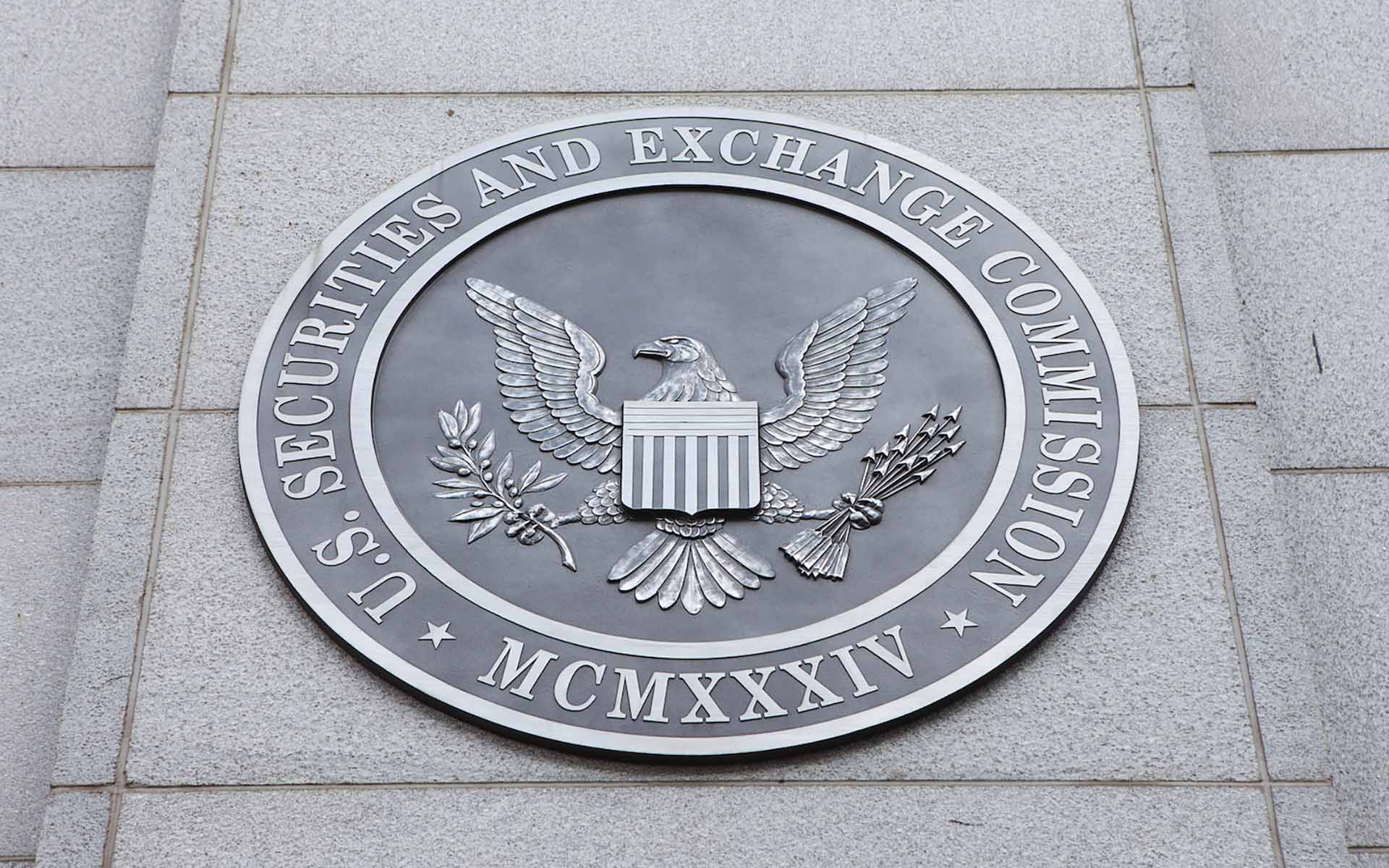
It is fair to say that up until now, the regulators took a relatively lax stance on ICOs by issuing only a handful of warnings, without explicitly cutting off oxygen supply. This took a drastic change when the SEC into cryptocurrencies and issued a number of subpoenas. It remains to be seen what will become of this investigation. What is clear is that the days of the Wild West may be nearing an end. Regulation is not the end of the world – it is necessary to ensure the longevity of digital markets and to prevent dubious schemes that look to circumvent securities registration from gaining even more traction.
What is your opinion on the structure and how will the regulators across the world approach the growing trend towards token issuance.
Images courtesy of Shutterstock, Giphy
Published at Sun, 15 Apr 2018 07:00:05 +0000
Altcoin News

At 11:30 a.m. (CDT) on July 19, 2017, a hacker managed to 153,000 ETH (approximately $32 million at the time) from three Ethereum wallets by exploiting a vulnerability within the wallets’ multi-signature verification. The affected wallets include the ones using Parity client version 1.5 or later.
According to a by Project Lead Manuel Aráoz, the three multisig wallets first targeted by the hack were using Parity client version 1.5 or later, and included Edgeless Casino, Swarm City and Æternity Blockchain. However, also reported a loss totaling 3,916 ETH. According to , Blocktix.io was hit by a second attacker who exploited the same vulnerability.
A Swarm City revealed that a group of white hat hackers managed to secure the remaining funds from the affected ETH wallets using the same exploit. The swift response of the white hat hackers allowed them to secure the funds of other vulnerable projects. Unfortunately, funds in the wallets of Edgeless Casino, Swarm City and Æternity Blockchain are completely lost, though the “white hat response team” managed to secure 6,272 of 10,188 ETH at Blocktix.io.
The White Hat Group announced on that they will create “another multisig for you [the affected users] that has the same settings as your [the users’] old multisig but with the vulnerability removed and we will return your [the users’] funds to you [the users].” The response team warned the Reddit community to be careful with donation addresses below their post since there are “a lot of phishers in the community right now.”
On July 19, Parity Technologies published a stating there was a vulnerability connected to Parity Wallets. The users affected by the vulnerability included “any user with assets in a multi-sig wallet created in Parity Wallet prior to 19/07/17 23:14:56 CEST.” The company urged users to move all assets from the multisig wallets to a secure address. Wallets seemingly unaffected by the breach include Geth, MyEtherWallet and single-user accounts created on Parity.
Parity updated its post as of today stating that future versions of their multisig wallets are secure:
“Future multi-sig wallets created by versions of Parity are secure (Fix in the code is https://github.com/paritytech/parity/pull/6103 and the newly registered code is ).”
Swarm City also information for users affected by the hack:
“If you do have funds in the multisig contract: carefully move your funds to a new account ASAP. If your funds are no longer in your multisig, please check the Black hat and White hat addresses. They might have been saved by the White hat group.”
To check on funds held by either the black hat or the white hat hackers, see the ETH addresses below:
White Hat Group’s wallet: First hacker’s wallet: Second attacker’s wallet:
The hacks have not only affected the wallets of the victims but also the overall price of ether. According to Coin Market Cap’s , the price experienced a 15 percent drop from $234.94 (at 0:04, July 19) to $199.70 at the end of the day. However, ETH has since recovered to around $227 today.
The post .

SEC Begins Soliciting Comments On bitcoin Investment TrustOn January 20, Barry Silbert filed a registration statement with the SEC to list his flagship investment product, the BIT, on the NYSE Arca exchange. The following week, […]