July 23, 2026

Capitalizations Index – B ∞/21M

Russians Bought $8.6 Billion in Bitcoin, Says Kremlin Economist

Russians bought $8. 6 billion in bitcoin, says kremlin economist

Russians Bought $8.6 Billion in Bitcoin, Says Kremlin Economist

Russians bought $8. 6 billion in bitcoin, says kremlin economist

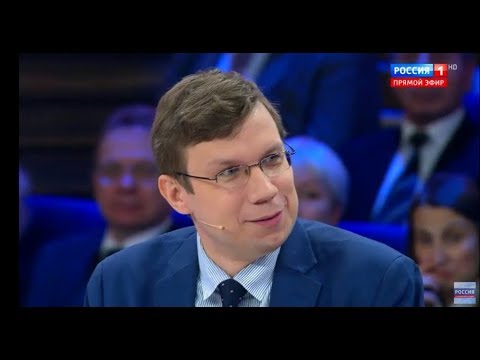
Russian economist, Vladislav Ginko, is out with another bold claim. This time he says that some companies and wealthy individuals in Russia have bought 1.8 million bitcoin (about $8.6 billion).


OFAC Sanctions Will Push Russia to bitcoin

Ginko doubled down on his previous comments. He told Bitcoinist:

1.8 million BTC were bought by Russian companies and wealthy Russians. There is no direct involvement of Russian state but some who buy bitcoin are awaiting that the increasing US sanctions will make impossible to do international transactions as usual so they purchase bitcoin as a way to circumvent US sanctions.

According to Ginko, Russia’s pivot towards Bitcoin is due to mounting sanctions by the U.S. Treasury Department’s Office of Foreign Assets Control (OFAC). The Kremlin economist, says Russian oligarchs are stockpiling BTC to ensure continued oil and gas deals even when OFAC bans the use of U.S. dollars by Russian oil companies.

He adds:

There is no direct influence of Russia’s purchases to the bitcoin price but in mid-term it starts playing role in driving bitcoin higher. Russia’s companies and people, especially those who are under risk being put on OFAC list, have to purchase bitcoins indirectly, buying up digital wallets when they may formally still belong to some US citizens.

Others Say Russian Gov’t Buying BTC Makes No Sense

Ginko is no stranger to making bold claims about Russian involvement in BTC. Earlier in the year, Ginko’s comments about the Kremlin looking to make a $10 billion investment in Bitcoin caused quite a stir.

In the wake of Ginko’s earlier statements, many experts reacted calling the statements ludicrous. As reported by Bitcoinist at the time, one senior government official also denied the rumors, saying the government buying bitcoin is “unlikely in the next 30 years.”

This time around, Ginko who is a member of the Russian Presidential Academy of National Economy and Public Administration (RANEPA), clarified that the government currently has no part in the BTC investment.

Concerning critics who question the validity of his claims, Ginko had this to say:

I’m deeply involved in political and economic affairs of Russia frequently cited person in Russia’s media.

bitcoin Price $2 Million by End of 2019

Ginko also believes that the weight of Russia’s BTC involvement will push Bitcoin price to stratospheric heights before the end of 2019. According to Ginko, BTC will top $2 million by the end of 2019.

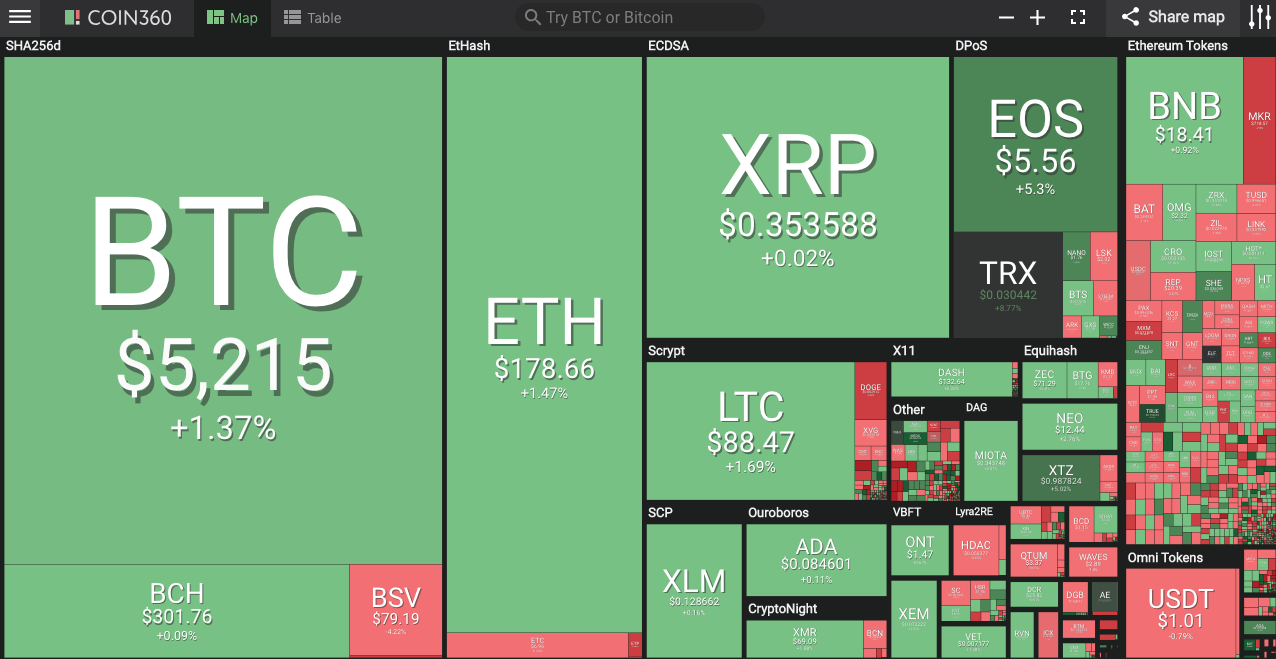
The top-ranked cryptocurrency began the day with a bullish breakout beyond $4,200 to briefly reach $5,000. A slight pullback has seen the price drop to the $4,800 mark.

Today’s gains saw bitcoin price reaching its highest price level in 5 months with many analysts declaring the end of the 15-month long bear market. Bitcoin had been on a winning streak of six consecutive weekly price gains prior to Tuesday’s bullish breakout.

What do you think about Ginko’s claims of wealthy Russian oligarchs gobbling up on Bitcoin? Share your thoughts with us in the comments below.


Image courtesy of Twitter (@martik), Shutterstock

Published at Tue, 02 Apr 2019 19:08:18 +0000

Previous Article

Volumes Up 5X As Ripple (XRP) Prices Break-out From a 3-Month, 4 Cents Range

Next Article

Russians Bought $8.6 Billion in Bitcoin, Says Kremlin Economist

You might be interested in …

Binance now lets users convert crypto dust to bnb

Binance Now Lets Users Convert Crypto Dust to BNB

Binance Now Lets Users Convert Crypto Dust to BNB Nick Omo · April 25, 2018 · 11:30 pm Binance has launched a new feature that allows users to convert crypto dust into BNB tokens. Changpeng […]

This Blockchain-Powered Platform Aims to Disrupt the Esport Gambling Industry

This Blockchain-Powered Platform Aims to Disrupt the Esport Gambling Industry

Esports wagering is a large — and growing — global industry at the intersection between gambling, technology and entertainment. In their 2017 Global Esports Markets Report, Newzoo found that China and North America will generate $362 million during 2017, or 52 percent of global esports industry’s revenue. If the esports industry continues on the same growth trajectory, the global industry is expected to generate $1.4 billion in 2020.

Unikrn’s blockchain-powered platform is tapping into this growth industry, offering services such as “skill and spectator betting applications, a tournament series, team ownership, a casino group and multimedia content for the esports fanbase.”

Along with launching an initial coin offering (ICO) in mid-September, the company has expanded its offerings to the European Union through a joint venture with RBP, a key player in the online horserace and sports betting market, and plans to launch a new skills-based product.

Expanding across the European Union comes after the platform was granted a much coveted gaming license from the Malta Gaming Authority (MGA). As one of the first European Territories to regulate online gambling, Malta has reportedly become a staunch regulatory supporter over the past several years. Today, over 100 companies currently hold a license issued by the MGA including software developers, online casinos and Remote iGaming operators.

Though obtaining a gaming license from the MGA took more than a year, for Unikrn, it has provided an opportunity to enhance their reputation as a legitimate esports wagering platform; something critical for their successful expansion and token sale. “They [MGA] are by every measure the gold standard and one of of the most respected authorities for responsible and ethical wagering,” said Unikrn founder and CEO Rahul Sood in a statement.

After creating the VoodooPC in 1991 then selling it to Hewlett-Packard, Sood spent 18 years as an entrepreneur. Next, he joined as general manager of Microsoft Ventures, Microsoft’s international startup accelerator and outreach program. Sood left Microsoft in 2014 to enter the world of live immersive esports betting by co-founding Unikrn.

Why Blockchain?

During its Series A round, Unikrn received funding from several notable investors including Mark Cuban, owner of the Dallas Mavericks, actor Ashton Kutcher’s venture firm, Sound Ventures, media executive Elisabeth Murdoch’s venture fund Freelands Ventures, media executive Shari Redstone’s Advancit Capital and the largest betting company in Australia, Tabcorp. The commonality between most of these venture funds is that they typically pick portfolio companies working in a mix of media, technology and entertainment.

Anthony Di Iorio, serial entrepreneur and CEO of Decentral, joined UnikoinGold as an advisory team member because he finds the project both intriguing and well-supported.

I’m a big believer in the power of decentralized technologies, like blockchains, to empower entrepreneurs and individuals,” he told bitcoin Magazine. “I’m motivated to support the entrepreneurs, the projects, and the communities that are pushing that technology forward by applying it in interesting and exciting ways to existing markets. Unikrn is a bit special.”

Unikrn’s Editor-in-Chief of content, Ryan Jurado, describes the platform’s journey toward the blockchain as a tool for product and community growth. In 2015, Unikrn released Unikoin, a free, internal, non-cryptographic token issued in 2014 that gives users the ability to bet on esports and win prizes in regulated markets where Unikrn is unlicensed to operate. However, Unikoin had no secondary market and customers persistently asked for more value or uses for the token.

Jurado explained that idea for Unikrn to use blockchain technology first came from Mark Cuban in early 2016. After investigating the technology, the team found using a blockchain-based currency would improve compliance and accountability, two activities paramount in bookkeeping.

“The distributed ledger makes Know Your Customer (KYC) and risk management easier and less costly,” Jurado said to bitcoin Magazine. “It saves time and money used for converting currencies, and helps minimize engagement with banks.”

Along with a distributed ledger model, Jurado also pointed out that the blockchain “expands real-time betting, live betting and skill-based products that would be difficult, or impossible, using fiat currency.”

The blockchain’s ability to increase transaction options while decreasing the need for transactional trust was another value Unikrn sought, Jurado explained, resulting in “an Ethereum-based token with an open ledger that can be used to better rate risk and flag potential abuse.”

A gaming platform such as Unikrn which runs vast numbers of transactions per day manages a lot of risk benefits from “an Ethereum-based token with an open ledger that can be used to better rate risk and flag potential abuse.” Furthermore, as Jurado pointed out, “For users, it’s a home-run: Using blockchain is less expensive than using fiat, and less overhead means less expensive products.”

Tale of Two Koins

To run the token sale and crypto platform, Unikrn opened a subsidiary, Unikrn Bermuda Ltd. The token that Jurado hopes will become “the decentralized token of esports and gaming” is called UnikoinGold (UKG) and was made available in September.

Di Iorio described UnikoinGold as “the (decentralized) beating heart of the secure and seamless wagering ecosystem Unikrn has pioneered.”

As for the original non-cryptographic token, Unikoin, Sood has stated that Unikrn is undergoing a “forking” of their token system in which there will be two currencies: UnikoinGold and UnikoinSilver.

Anybody in the world can buy and use the Ethereum-based UnikoinGold utility token in non-betting applications, including jackpots and experiences, software, hardware, esports, teams and tournaments; however, only users in Unikrn-licensed regions will be able to use it to bet.

Though UnikoinSilver can only be earned, it can be used in most unregulated markets around the world. “The token will allow every non-minor esports and gaming fan to engage in all Unikrn betting products, regardless of where they live. It is a free, non-blockchain token, but will allow fans to unlock real prizes and non-betting operations including editorial, production studios, tournament organization and live broadcasting.” UnikoinSilver also appears to be an alternative “to unregulated skin betting for regions where real-money betting can’t be offered.”

ESPN Meets Esports Meets Vegas

Having already raised $30 million in ether, the UnikoinGold token sale is capped at $100 million. One advantage it has as a token sale is the ease of onboarding users who are already familiar with token transactions. Unikrn’s other advantages come from the fact that they already have an existing platform that is profitable and an online community that is engaged. “This isn’t an investment,” said Sood in a Medium post, “It’s a purchase for a product that we developed that has utility on our platform and our users love and demand.”

A clear caveat to UnikoinGold’s success is that its gaming/ICO combination is sure to keep them visible on every regulator’s radar, which is why earning a Maltese gaming license was such a significant step.

Even at such a unique intersection between media, gambling and gaming, Unikrn is not the only player. Other esports betting platforms using blockchain technology include FirstBlood.io, Eloplay, Gimli.io and Skincoin. And it has yet to crack the lists of top esport betting platforms on sites like OpenOdds and EsportsOnly.

Sood does not seem surprised by his company’s success, thus far. “UnikoinGold was designed and intended for use by our own esports community. It’s like ESPN meets Esports meets Las Vegas.”

The post This Blockchain-Powered Platform Aims to Disrupt the Esport Gambling Industry appeared first on Bitcoin Magazine.