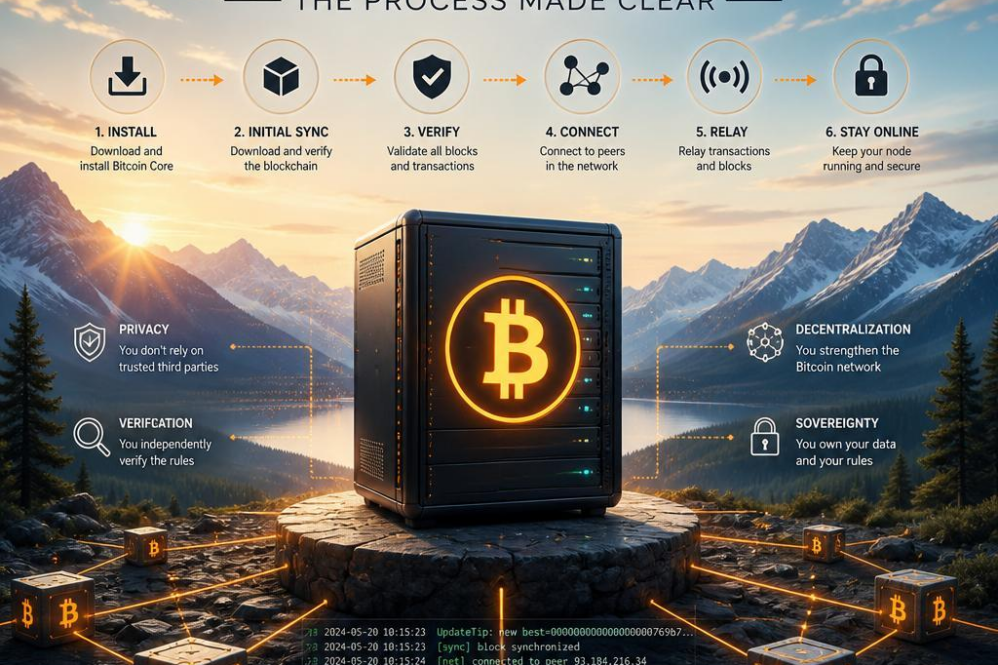
Setting Up Your bitcoin Node Environment For Optimal Performance
To set up your bitcoin node environment for optimal performance, you should first choose the appropriate hardware. The core requirement is a computer with a sufficient amount of RAM and storageand also a stable internet connection. A good starting point is a machine with at least 2GB of RAM and enough disk space to hold the entire bitcoin blockchain, which can exceed 300GB. Ensure your system meets these specs to prevent performance issues while syncing or operating the node.A crucial aspect of running a bitcoin node is choosing the right software to manage the node’s operation. bitcoin Core is the most popular and reliable option, offering both a command-line and a GUI interface for easy management. If you’re more comfortable with Linux environments, you might want to install bitcoin Core using a package manager.For a smoother setup experience, consider using a pre-configured Docker image, which simplifies the installation and maintains the environment up-to-date. Irrespective of your chosen method, keep your software updated to take advantage of the latest bug fixes and security enhancements.
Security is paramount when running a bitcoin node. To protect your node from potential threats, ensure it operates behind a firewall and restricts access to only essential services. use strong passwords for securing your bitcoin Core wallet and configure access permissions to limit who can interact with your node. Regular backups of your wallet and blockchain data are recommended to safeguard your assets. Here are a few general security practices to follow:
- Enable two-factor authentication for added security when accessing your node.
- Disconnect your node from the internet when it’s not in use.
- Monitor logs and network traffic for unusual activity.
By adhering to these guidelines, you’ll establish a secure and efficient environment for your bitcoin node, ensuring it operates smoothly and contributes positively to the overall health of the bitcoin network.
Understanding The Role Of Your Node In The bitcoin Network
When you run a bitcoin node, you’re essentially joining a network of computers that collectively support the operation and security of the bitcoin system. Each node is responsible for validating transactions and relaying data to other nodes, ensuring that the blockchain remains a transparent and tamper-evident ledger. By participating in this network, you contribute to the decentralization and resilience of bitcoin, as every node operates independently but collaboratively.
Think of your node as a link in a vast, interconnected web. Every transaction that happens within the bitcoin ecosystem passes through multiple nodes as they verify and propagate the information. Your node doesn’t just receive updates; it also validates the transactions it receives and sends them to other nodes. This mutual validation process ensures that the integrity and immutability of the blockchain are maintained. In simpler terms, your node isn’t just a passive observer but an active participant in the network’s operations.
To better understand the role of your node, consider the following responsibilities:
- Transaction Validation: Ensures transactions align with bitcoin’s rules before relaying them.
- Blockchain Synchronization: Maintains and updates a copy of the entire bitcoin blockchain.
- Network Communication: Communicates with other nodes to share transaction data and confirmations.
By fulfilling these roles, your node supports the bitcoin network’s decentralization, enhancing security and privacy for all participants.
Strategies For Maintaining Privacy And Security When Running A Node
Maintaining privacy and security when running a bitcoin node is crucial for protecting your identity and preventing unauthorized access to your data. Start by setting up a dedicated machine for your node, ensuring it runs the latest version of the bitcoin core software. Opt for a machine without significant network traffic or other services, as these can perhaps expose you to security risks. Limiting the network exposure to just your bitcoin node can significantly reduce your attack surface, making it harder for malicious actors to target your system.
Implement strong access controls and regularly update your software to safeguard your node from vulnerabilities. Use a firewall to restrict incoming and outgoing network traffic to only what is necessary for your node to function. As a notable example, block any ports you’re not actively usingand specify which ports should be open, such as TCP port 8333 for bitcoin mainnet p2p connections. securing your bitcoin node with a strong,unique password is essential,adding another layer of security against unauthorized access.
For an added layer of privacy, consider running your bitcoin node over a Tor network, which can mask your IP address and reduce the likelihood of your identity being compromised. However, using Tor may slow down your node’s operations and increase latency, so it’s important to weigh the benefits against potential drawbacks. Another method to enhance security is configuring your node with restrictive firewall rules, which can be detailed in a table. This table summarizes the recommended firewall settings for ensuring your bitcoin node remains secure and private.
| Port | Protocol | Function | Action |
|---|---|---|---|
| 8333 | TCP | Mainnet p2p connections | Allow |
| 18333 | TCP | Testnet p2p connections | Allow |
| 8332 | TCP | RPC connections | Deny (if not needed) |
Essential Maintenance Tasks For Long-Term Node Reliability
Maintaining a bitcoin node over the long term requires consistent attention to several key tasks. These tasks ensure that your node operates efficiently and remains a reliable part of the bitcoin network. First and foremost, it’s crucial to keep your node’s software up to date. bitcoin Core releases new versions periodicallyand these updates frequently enough include critically important security patches, performance improvementsand new features. Neglecting these updates can expose your node to risks,including potential vulnerabilities and reduced functionality.
One less obvious yet important maintenance task is managing your node’s storage and bandwidth requirements. bitcoin’s blockchain,being a full history of all transactions,steadily grows in size. Depending on your available storage, you might need to use pruning-where you discard old blocks to make space for new ones-or you could opt to keep an entire copy of the blockchain. Similarly, regularly checking your internet connection’s stability and speed can help prevent disconnections and lag, which can disrupt the synchronization process. In the table below,we outline the minimum storage requirements for different storage approaches,highlighting the importance of planning ahead.
Table: Minimum Storage Requirements for Various bitcoin Node Configurations
| Configuration | Full Blockchain Node | Pruned Node |
|---|---|---|
| Storage | Over 300GB | Approx. 1.5GB |
| Use Case | For maximum security and full access to ancient data | For lower hardware requirements, faster downloads |
Another aspect of long-term maintenance is monitoring your node’s performance. This includes keeping an eye on CPU load, memory usageand disk I/O rates. Overloaded hardware can slow down the node’s performance and impact its reliability. Regularly checking these metrics can help you catch potential issues before they escalate. If you notice your node consistently running near or over capacity, consider upgrading your hardware or adjusting your configuration settings to optimize performance.This proactive approach can save you from potential downtime and data synchronization issues.