· March 13, 2018 · 7:30 am
Ripple CEO: Bitcoin ‘Is the Napster of Digital Assets’
Capitalizations Index – B ∞/21M
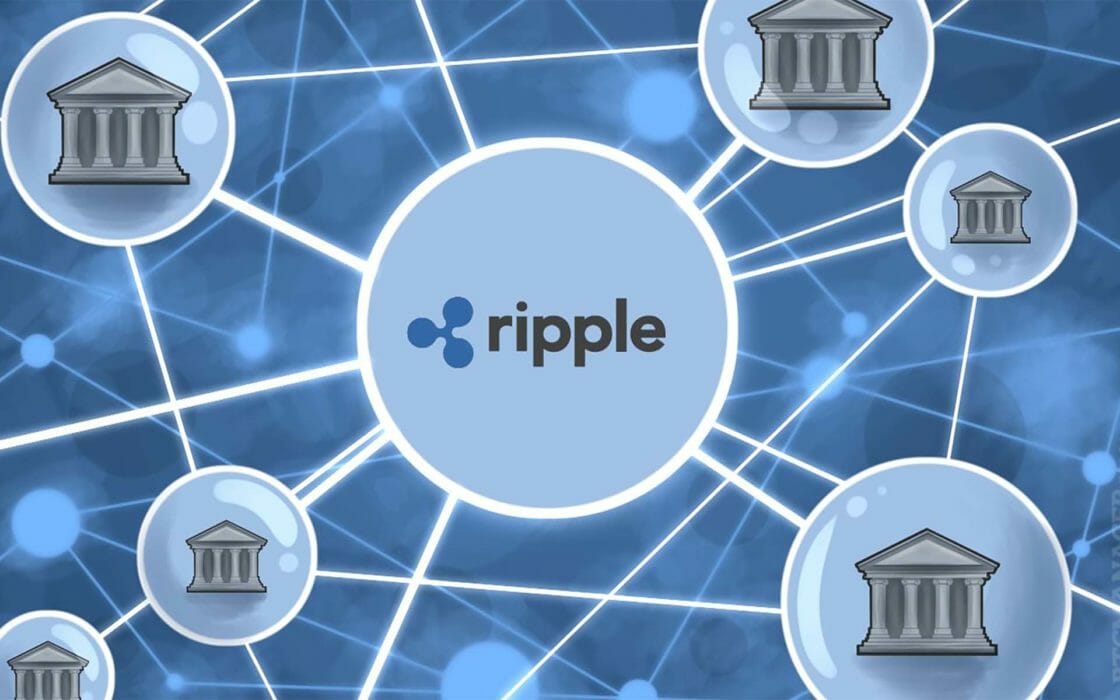
Ripple CEO Brad Garlinghouse recently claimed that cryptocurrencies are solving real-world banking and remittance problems — with future generations set to build and improve on the foundation laid by blockchain technology. In doing so, he also stated that bitcoin “is the Napster of digital assets.”
Though the Ripple CEO says that comparisons between his cryptocurrency and are ultimately compliments, he also took the chance to compare the dominant cryptocurrency to peer-to-peer file-sharing internet service Napster — which was revolutionary for its time but failed to maintain any sort of lasting relevance.
Speaking to Bloomberg Asia ahead of his participation in the Millennium 2020 conference in Singapore, Garlinghouse :
Some may look back at bitcoin and say that it is the Napster of digital assets. What I mean by that is that Napster was the first to digitize music and demonstrate that you can do a lot of cool things with that. But ultimately they were circumventing trademark laws, they were circumventing royalty payments and then government stepped in and Napster wasn’t successful. But Spotify, iTunes, and Pandora were successful.
I think what you will find is that maybe the next generation of digital assets will end up solving some of the problems that bitcoin set out to solve.
This statement may, of course, be easily interpreted as a means of promoting — a far-from-decentralized cryptocurrency which aims to help traditional financial institutions settle cross-border and domestic payments — while, at the same time, putting down its primary competitor.
In many ways, bitcoin is indeed similar to Napster, in that it aims to undermine traditional, regulated infrastructures. However, assumptions that bitcoin will go the way of the now-irrelevant file-sharing service hold little ground. One could just as easily compare to the combustion engine or make unflattering remarks about Ripple, such as:
“bitcoin is the Napster of digital assets.”
–
“Ripple is the Enron of digital assets.”
–
— Kevin Pham (@_Kevin_Pham)
Naturally, Garlinghouse’s remarks are largely intended to encourage Ripple investment against the cryptocurrency market’s dominator. In regards to the company’s in-house suite of technology solutions, he explained:
If you were going to send $10,000 to California today [from Singapore], the fastest way for us to do it is to drive to the airport and fly it there. That’s a crazy to think about it in the age of the internet. When we think about the customers that have come on board, it’s because we’re solving that real problem. We’re changing the nature of a payment taking days to settle to California to seconds.
We’re still just getting started, but we’re on mile one in a marathon but we’ve crossed that starting line. This is real activity.
Garlinghouse neglects to mention that other cryptocurrencies allow near-instantaneous financial transactions, but without the help of banks.
What do you think about Ripple CEO Brad Garlinghouse’s comparing of bitcoin to Napster? Let us know in the comments below!
Images courtesy of Bitcoinist archives and Twitter/@_Kevin_Pham.
Published at Tue, 13 Mar 2018 11:30:34 +0000
Altcoin News
News – CCN Paxos Standard Emerges as Early Leader in Stablecoin Sprint Tether is experiencing an unprecedented challenge to its status as undisputed stablecoin market lodestar. With over 50 active stablecoin projects emerging around the […]

Trump Advisor’s Shock Admission Threatens to Rock Stock Market By CCN: Top Trump advisor Larry Kudlow admitted to Fox News’ Chris Wallace that “both sides will suffer” over the Trump administration’s U.S.-China trade war. You […]
Cryptocurrency news and discussions. What’s so great about true ownership of virtual game items? submitted by /u/henk123 [link] [comments] more info… Qntra Public Bailout Of Bezo Bungle Continues In Indiana Regional accreditors […]