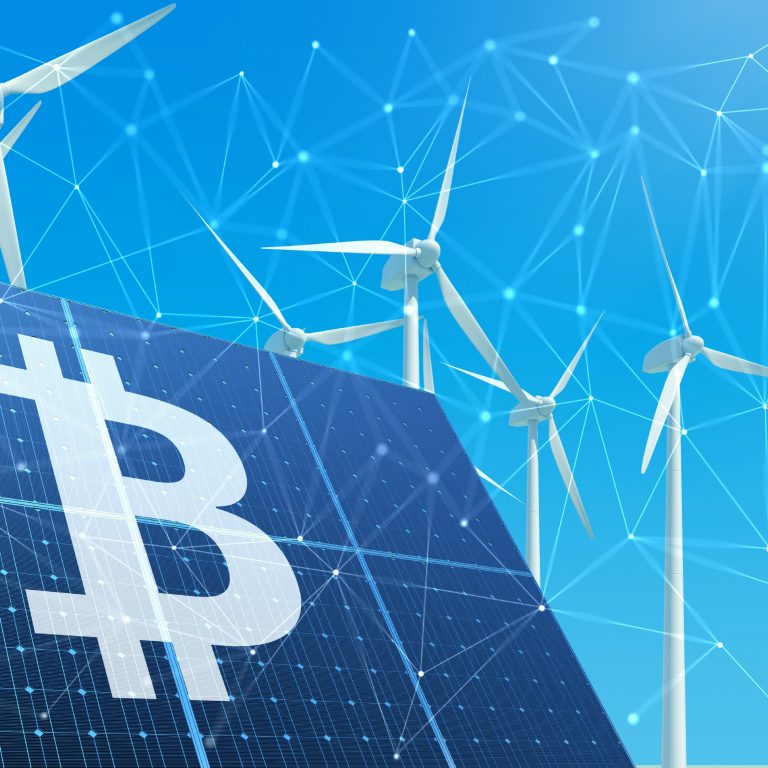
The majority of bitcoin miners — about 78 percent — use renewable energy to power their mining operations, while preventing surplus electricity from going to waste in countries such as China, a new study by Coinshares has revealed. The U.K.-based digital asset management company argues that “bitcoin mining may in fact be acting as an electricity buyer of last resort,” contrary to the mainstream media construct of it being an environmental menace.
Also read:
‘Buyer of Last Resort’

In its report, “,” Coinshares said that the multibillion-dollar cryptocurrency mining industry is using a lot of excess clean power in China, where the government has poured billions of dollars into the development of solar, wind and hydroelectric power plants. China accounts for 60 percent of global bitcoin mining.
Renewables also dominate in mines throughout the Pacific Northwest, in U.S. states such as Washington and Oregon, as well as the Canadian province of British Columbia. And there are many miners using renewable energy in Scandinavia, a region that extracts about 35 percent of the global bitcoin total.
But China’s large-scale investments in the energy sector have strained electricity networks, leading grid operators to refuse to accept significant amounts of surplus renewable energy capacity, in a practice known as curtailment. Coinshares found that many Chinese miners are actually using curtailed, excess electricity to power their activities, rather than letting the electricity go to waste.
“Based on historical data on energy mix and locations of cryptocurrency mining operations in China, we have shown that contrary to the common narrative, the vast majority of global bitcoin mining capacity is running on renewable energy,” wrote Christopher Bendiksen, Samuel Gibbons and Eugene Lim of in the report.

The study noted high levels of renewables penetration in parts of the world that are home to mining companies — as high as 90 percent in mining hotbeds like China’s Sichuan province. The researchers argue that bitcoin mining is helping to prevent energy from going to waste.
The authors detailed:
If demand for bitcoin mining keeps increasing, its demand alone could facilitate opportunities for tapping highly productive renewables locations in areas that today would be uneconomically remote.
False Narrative
The findings challenge the common line in the mainstream media that bitcoin mining consumes a lot of coal-generated electricity — a narrative followed by some academics. In a recent study, for example, researchers at the University of Hawaii at Manoa examined how the rapid increase in the use of cryptocurrencies like bitcoin would impact the environment. They came to the conclusion that within two decades, bitcoin mining could contribute to global warming on a similar level to the energy and transport industries.

The researchers compiled data on the use of 40 different technologies, “ranging from dishwashers and e-books to electric power and the internet. They used this information to estimate the rate of uptake this cryptocurrency will see in the coming years.” But mining is a computationally demanding process using expensive equipment, so it’s not always easy to come up with accurate and reliable estimates of bitcoin’s true carbon footprint. And it does not help that the researchers in Hawaii compared the environmental impact of household appliances like dishwashers to bitcoin. A more realistic approach would have also analyzed electricity use in the banking industry.
78% of Miners Use Renewable Energy
According to the Coinshares report, an estimated 77.6 percent of cryptocurrency miners throughout the world use renewable energy such as hydropower, making it “greener than almost every other large-scale industry in the world.” Miners are also aware of the importance of energy conservation, with the researchers noting that cooler temperatures in northern China, another key mining hub in the country, reduce the need for cooling systems for the mining hardware.

“It is therefore our belief that the claims around the environmental damage caused by cryptocurrency mining fundamentally miss out on the fact that many miners, in their self-serving search for the most cost-efficient form of electricity, have zoomed in on global regions with a glut of renewable electricity as prime locations for mining,” Coinshares stated.
What do think about the Coinshares report? Let us know in the comments section below.
Images courtesy of Shutterstock and Coinshares.
Express yourself freely at bitcoin.com’s user forums. We don’t censor on political grounds. Check .bitcoin.com.
The post appeared first on .
Over the past few weeks, cryptocurrency proponents have been discussing a new messaging and collaboration platform called Chat.Chat. The application offers an all-in-one system with secure messaging, a multi-currency wallet and native communication with decentralized apps like Memo.
Also read:
The Chat.Chat Messaging Platform
 There have been a lot of attempts lately to create social media and messaging applications that integrate digital assets. One application that’s been catching some buzz in the cryptocurrency space is a protocol called , which allows messaging and a connection to decentralized applications.
On Friday, Bitmain co-founder Jihan Wu used the Chat.Chat platform to interact with the Memo protocol. “This is me on memo protocol, using Chat.Chat,” he his Twitter followers, while also leaving the BCH transaction ID within his post.
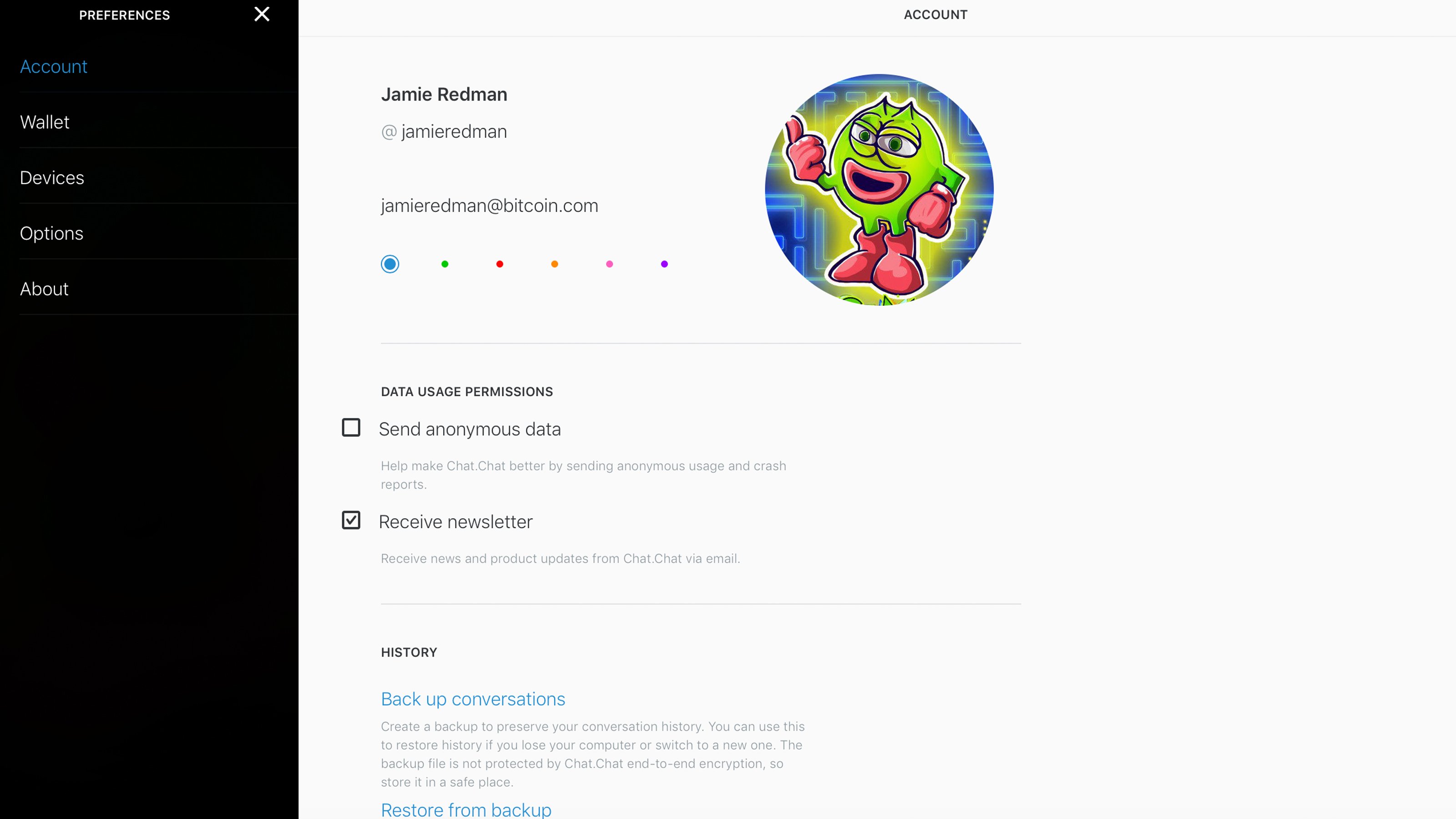 Chat.Chat user profile
A Look at the User Interface
News.bitcoin.com tested the Chat.Chat application this week to give readers an inside glimpse at this new application. Chat.Chat works for , iOS and other devices. Signing up for the service requires an email or phone number, after which the system sends the registrant a six-digit PIN to verify the account.
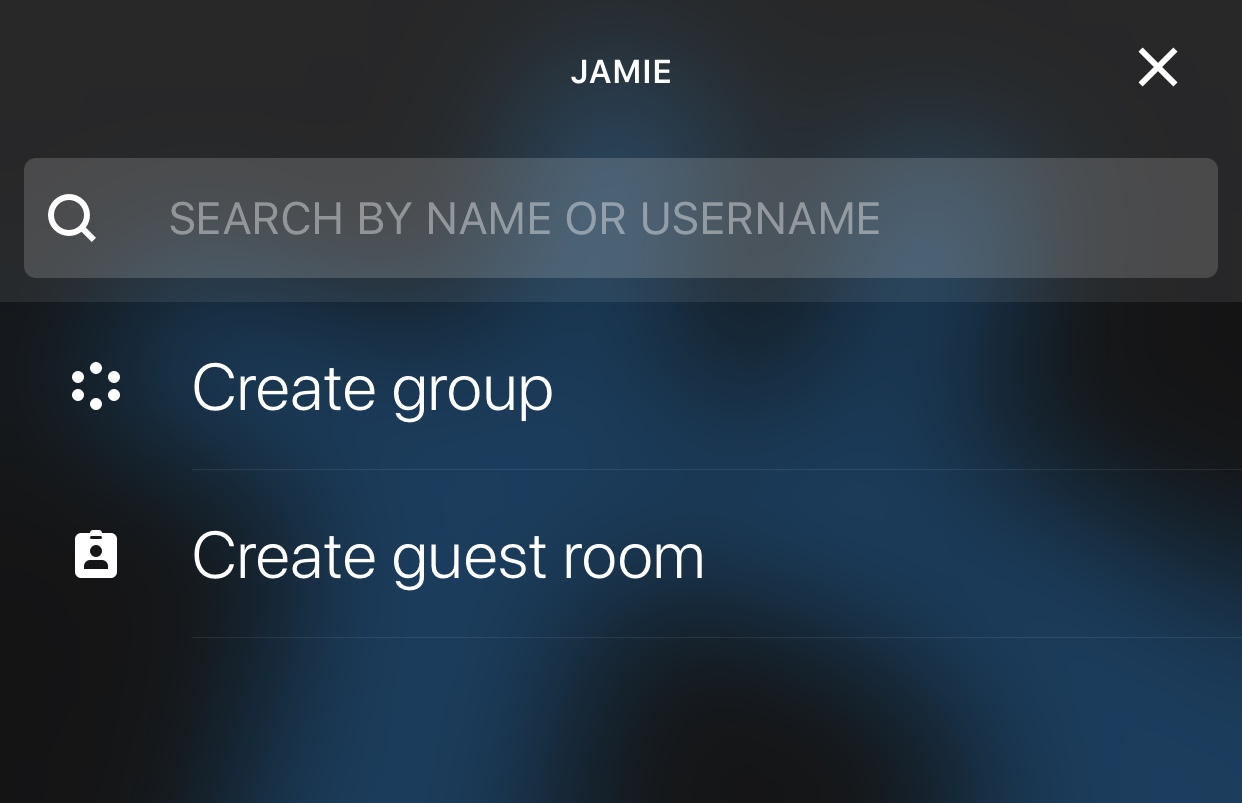 Users can create groups and connect with contacts.
After the verification is complete, users can access the Chat.Chat dashboard, a dark-themed platform that operates like the Slack program. The Chat.Chat desktop application can connect with selected Gmail contacts, if the user desires, and the iOS version asks users for permission to access the phone’s contacts.
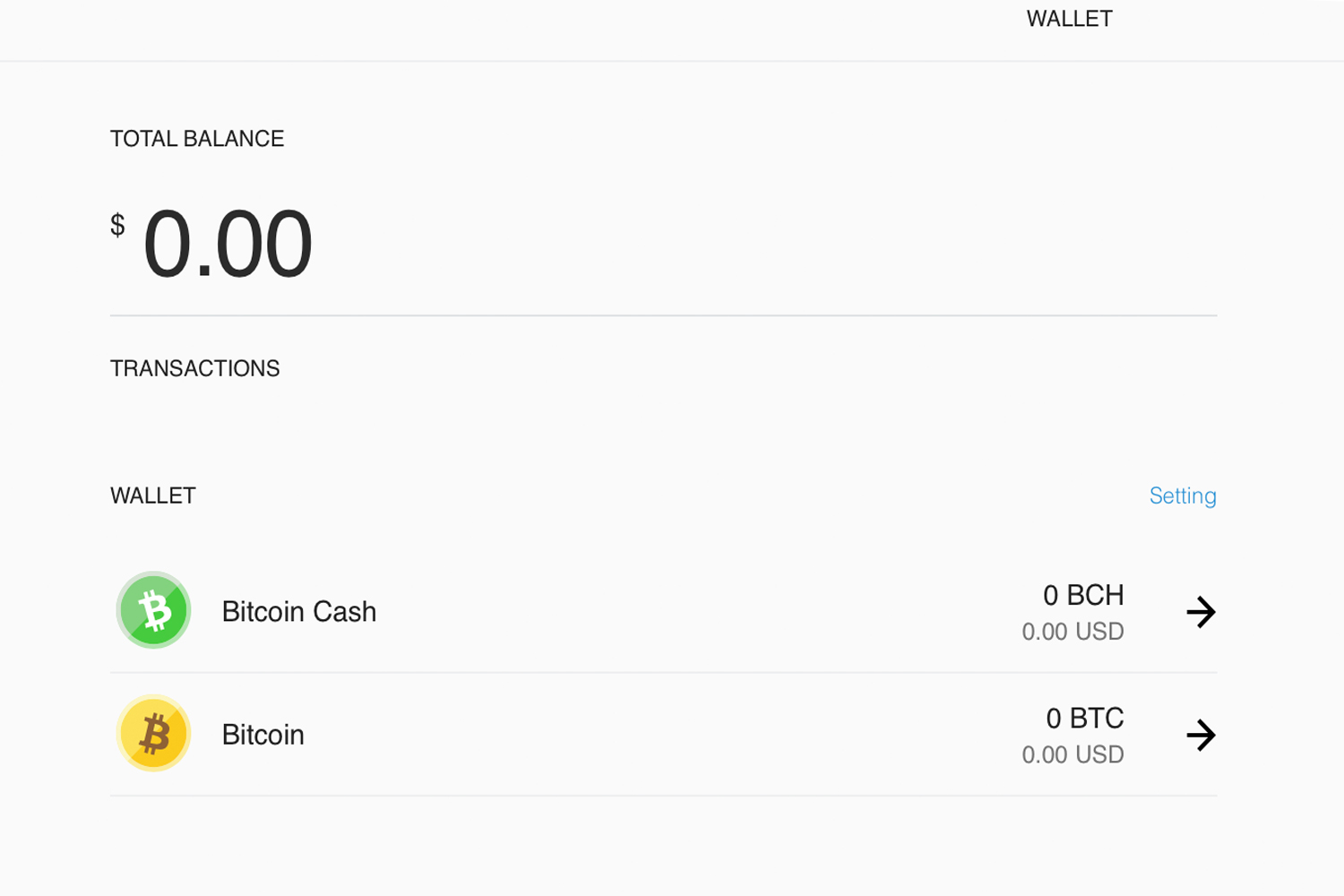 The application’s BCH and BTC wallets
Of course, connecting with contacts is how the platform can be used for messaging and collaboration. But it also offers native tipping in bitcoin cash (BCH) and bitcoin core (BTC). Registrants are given two wallets when they create accounts and they can use their funds to tip and post to decentralized apps like Memo. The developers have said that ethereum (ETH) and eos (EOS) support is coming soon. The Chat.Chat wallets allow you to enable payments without a password and back up the private key, as well.
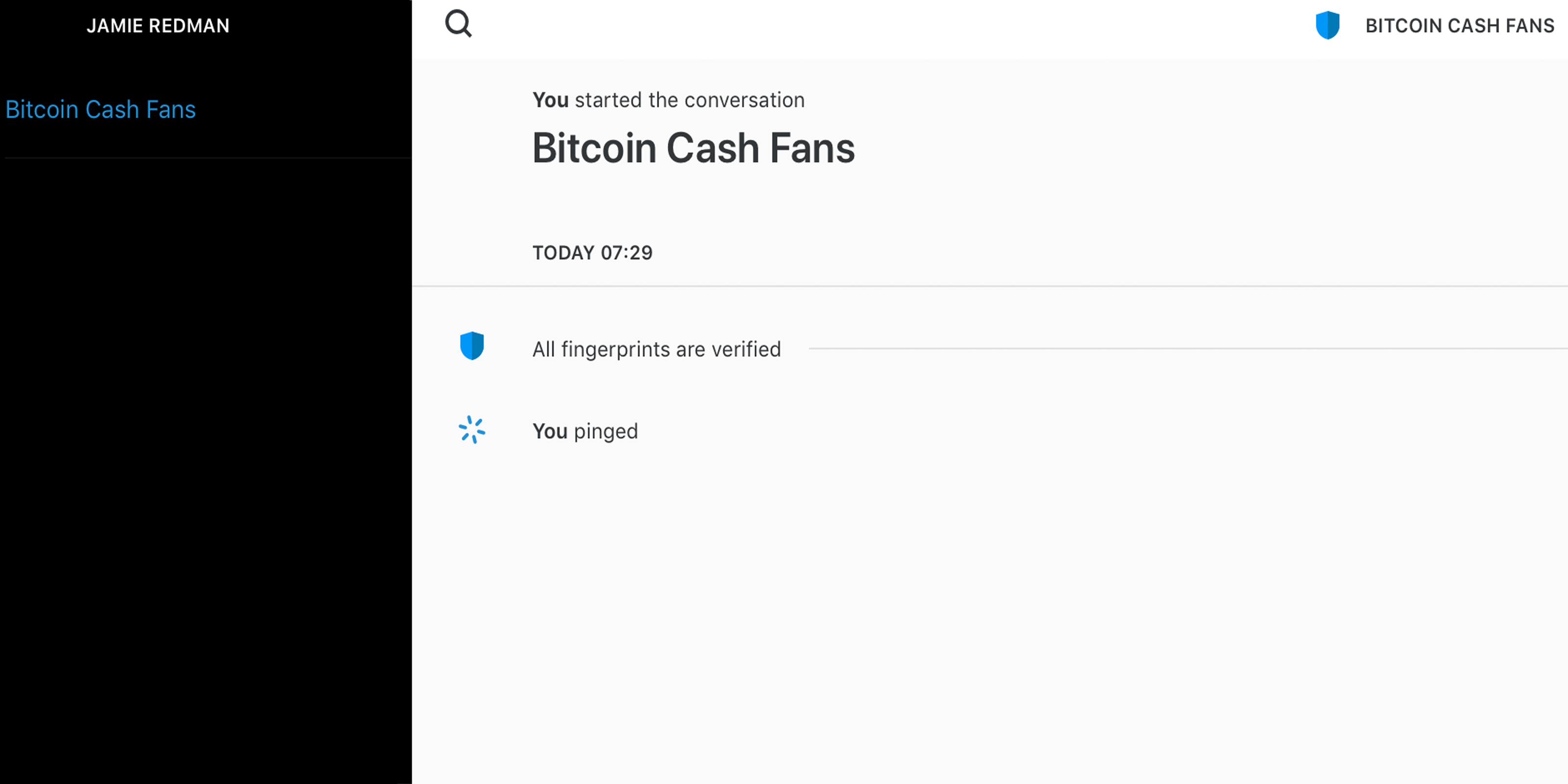 Creating a group in Chat.Chat
Connecting to Decentralized ‘Mini Apps’
The decentralized app section, or “mini app browser,” can be accessed by clicking a little puzzle icon at the bottom of the screen on the right. Users can search for specific mini apps with the browser, but there are three highlighted apps available by default. The platforms include a software development kit (SDK) demo, the interactive cryptocurrency data site Coin 360, and the BCH-powered onchcain social media platform Memo.cash. In order to use Memo with the messaging program, users have to log in within the Chat.Chat application.
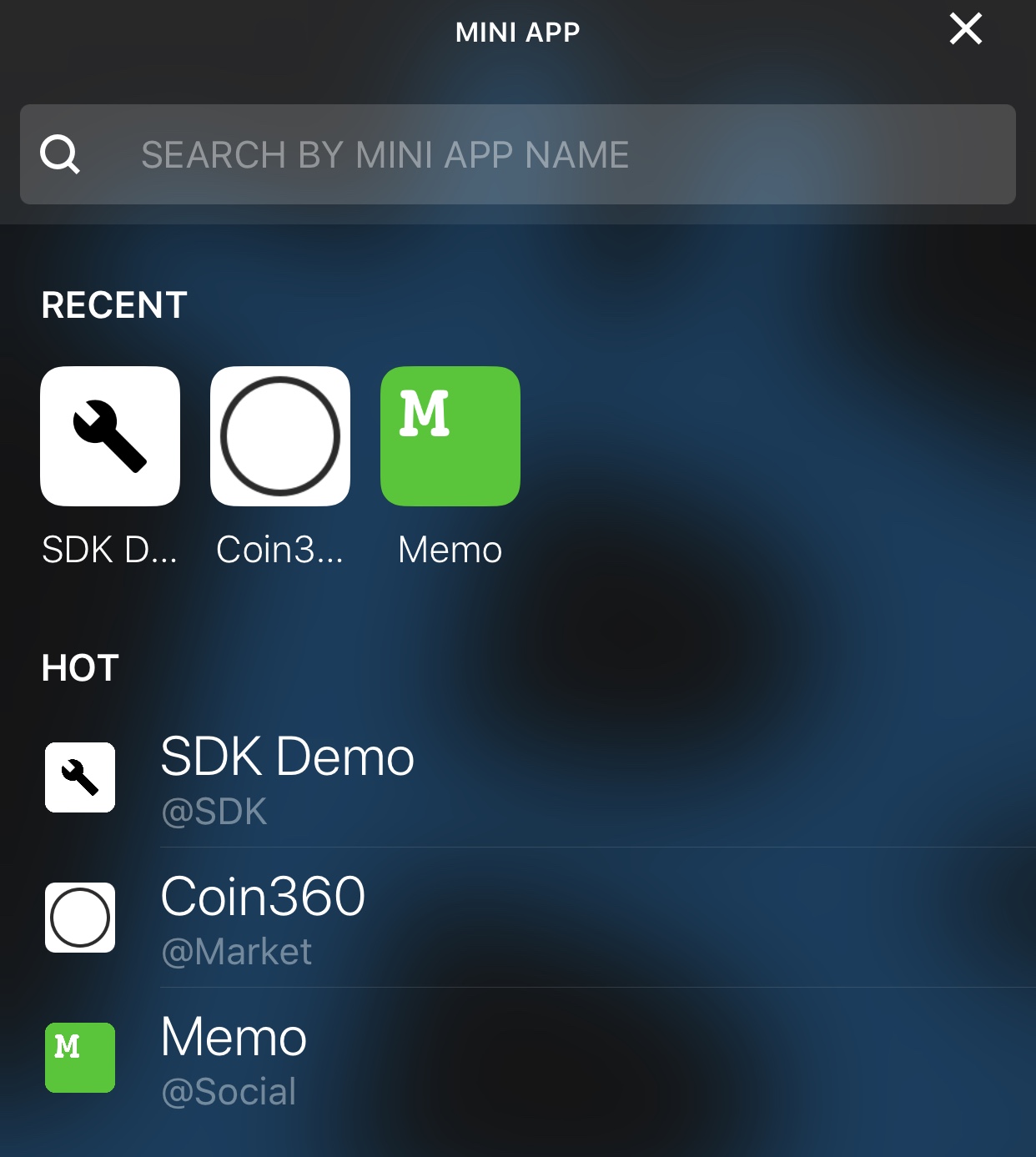 The ‘mini app browser’ helps users connect to applications like Memo.cash.
End-to-End Encryption and Disappearing Messages
 Chat.Chat iOS version.
Messaging within the interface is fairly intuitive and Chat.Chat allows image and attachment uploads, as well as GIFs, microphone communications, and even the ability to draw pictures with a simple paint program. In addition to the ability to chat directly with specific contacts in 16 different languages, Chat.Chat users can also create custom groups. Chatting is end-to-end encrypted, adding a layer of privacy, and users can set a timer for disappearing messages.
The application’s user base right now seems small and like the many other messaging and social media platforms launched this year, it will need to gain some traction. Chat.Chat is like a Swiss Army knife, as it’s stuffed with features to entice new users, like the ability to use multiple cryptocurrencies. Furthermore, with all the surveillance these days by governments and corporations worldwide, another end-to-end encrypted messaging service will likely be welcomed by individuals who appreciate freedom and privacy.
What do you think about the Chat.Chat application? Let us know what you think in the comments section below.
Disclaimer: bitcoin.com does not endorse this product/service. Readers should do their own due diligence before taking any actions related to the mentioned company or any of its affiliates or services. bitcoin.com is not responsible, directly or indirectly, for any damage or loss caused or alleged to be caused by or in connection with the use of or reliance on any content, goods or services mentioned in this article.
Images via Shutterstock, Chat.Chat, Jamie Redman, and Pixabay.
Need to calculate your bitcoin holdings? Check our section.
The post appeared first on .
China-based crypto mining giant Huaren Capital is looking to further expand its business in the Philippines Islands. As by The Inquirer, Huaren plans to launch “Digital Peso”, a digitized version of fiat Philippino Peso, by the first half of 2019. The publication notes that digital peso will not only help “overseas Filipino workers (OFWs) but also Chinese nationals” working in the Philippines.
Hence, it is clear that Huaren Capital is working to establish a two-way remittance corridor between the Phillippines and China. As per the report, each “digital Peso” will be pegged to the fiat in 1:1 ratio. Huaren Capital president Jeff Wang confirmed the report during a press meeting last Wednesday. He said that his company is in talks with potential banking partners, refusing to name any. However, Wang said that they are also talking to the Phillippines central bank – Bangko Sentral ng Pilipinas (BSP) – regarding the project.
Reducing the International Remittance Fees
The Phillippines is currently the world’s third-largest remittance receiving country. According to the World Bank, the country has $33 billion of remittance inflow every year. Wang said that the “Digital Peso” project would aim at reducing friction and international remittance fees. Wang explained (though a translator):
“In China, they have electronic payments systems like Alipay and WeChat Pay, so transfer of funds is very easy. We understand in the Philippines, many Filipino citizens don’t have a bank account, and when they transfer funds from one country to another or from one place to another, there’s always a high remittance fee incurred, so we are working toward reducing that kind of cost for the average Filipino citizen”.
Wang also said that the opportunities would be open to both. This includes Chinese workers working the Phillippines and overseas Filipino workers (OFWs).
Getting the Regulatory Approval
Huaren Capital President said that the company is currently seeking a regulatory approval from the central bank. By early 2019, the company expects to form partnerships with local banks. As a result, it will proceed for a full-fledged launch by June 2019.
“The Philippines regards blockchain innovation as a national strategy, providing a large number of preferential policies and services to related companies, and solving the regulatory problems faced by the blockchain industry,” Wang explained.
Describing Phillippines as “a very open and dynamic economy”, Wang is quite optimistic about the growth of its market. The pilot project for “Digital Peso” within the Cagayan Special Economic Zone (SEZ). The SEZ is currently operated by state-run Cagayan Economic Zone Authority (Ceza).
“I believe the technology is growing very fast, very rapidly in the Philippines. And e-commerce is growing and will be growing even faster with all these cryptocurrency technologies. We hope that this will bring the Philippines to the forefront of e-commerce around the world,” Wang said.
Huaren Capital recently established its headquarters in the Phillippines’ capital city of Manila. This was done soon after the recent visit of Chinese President Xi Jin Ping to the country.
“And after the visit of Chinese President Xi Jinping, the two countries are building collaborations on many fronts and I think this is a good opportunity and a good moment for us to launch this in the Philippines,” Wang added.