January 26, 2026

Capitalizations Index – B ∞/21M

Regulations Have Ruined the Physical Bitcoin Industry

Regulations have ruined the physical bitcoin industry

Regulations Have Ruined the Physical Bitcoin Industry

Regulations have ruined the physical bitcoin industry

As bitcoin $BTC BTCers celebrate the 10th anniversary of Satoshi’s invention, veteran enthusiasts will be aware that a lot has changed since the early days. One business that was once incredibly popular is the art of manufacturing loaded physical bitcoin $BTC BTCs. Government regulations have forced operations to cease, causing the physical bitcoin $BTC BTC minting business to virtually grind to a halt.  

Also read: 8 Crypto Debit Cards You Can Use Around the World Right Now 

Manufacturing Loaded Physical Bitcoins Is a Lost Art

Not long after bitcoin was launched, people managed to create paper wallets and soon the concept of physical bitcoin $BTC BTCs was born. After that, individuals took the idea to another level and minted metal bitcoin $BTC BTCs were created. Casascius coins quickly became a collector’s item with these shiny keepsakes loaded with digital currency. However, after Mike Caldwell, the creator of Casascius coins, started selling his physical bitcoin $BTC BTCs loaded with whole units or fractions of BTC, he was shut down by the U.S. Financial Crimes Enforcement Network (FinCEN). The U.S. regulator considered minting Casascius coins illegal money transmission and Caldwell had to stop selling loaded coins. Since then a number of other manufacturers have attempted to sell loaded bitcoin $BTC BTCs to investors who may find numismatic value in these physical collections.

Regulations have ruined the physical bitcoin industry
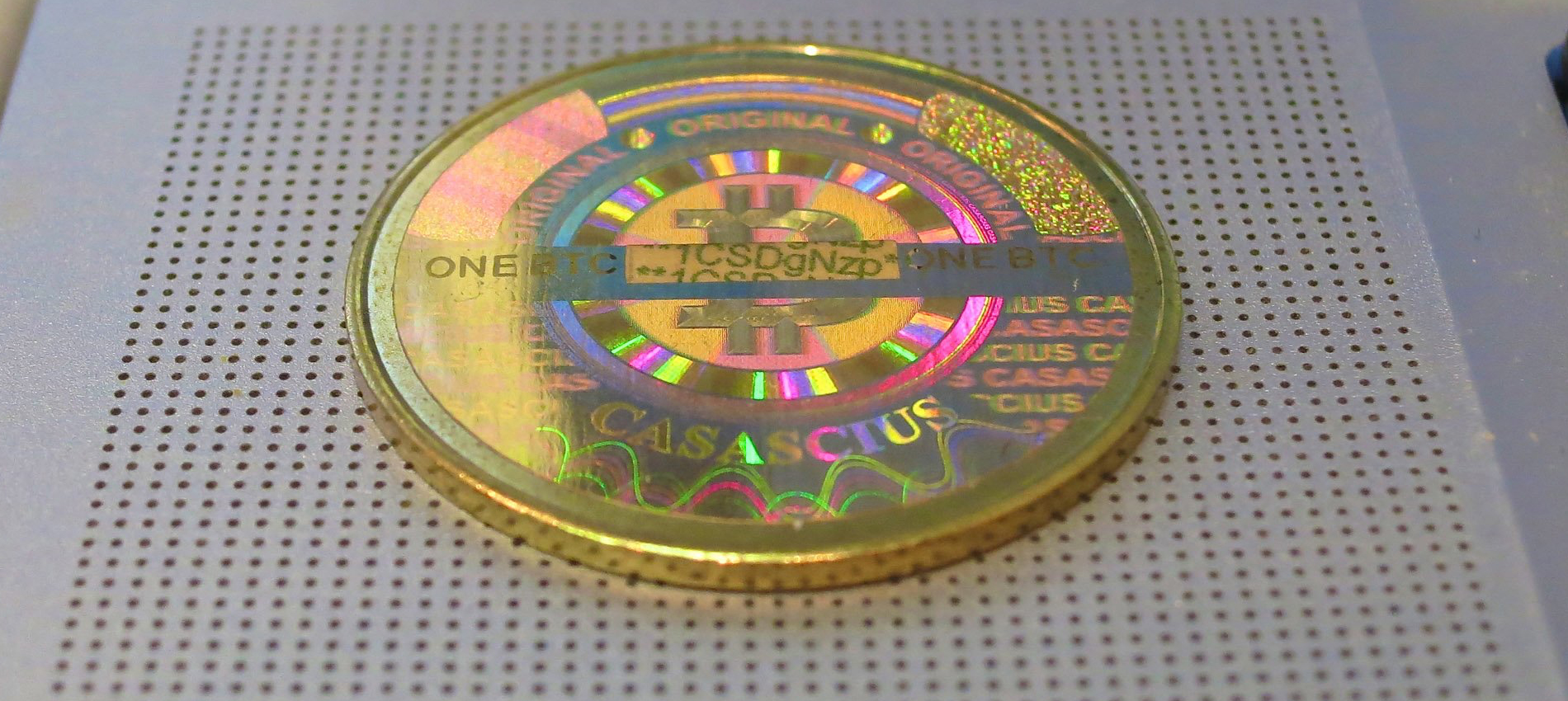
This Casascius coin funded with 1BTC sold for $28,700 on Ebay a year ago on Jan. 13, 2018. At the time of sale, 1BTC was worth $14,300.

From 2013-2016, physical bitcoin $BTC BTCs were extremely popular and demand for these coins has remained robust among collectors. Some rare Casascius coins have sold for more than 4-10X their loaded value. In the early days there were so many physical bitcoin $BTC BTCs that cryptocurrency proponent Elias Ahonen managed to author an entire encyclopedia of physical bitcoin $BTC BTCs. In recent years, however, the art of molding loaded physical bitcoin $BTC BTCs is all but lost. Companies like Ravenbit, Alitin Mint, Cryptmint and Titan bitcoin have all gone out of business. Last April the Japanese manufacturer Satori Coin told customers it was forced to close operations due to the Financial Services Agency’s AML/KYC standards introduced in 2018. Similarly, the cryptocurrency firm BTCC launched its own physical bitcoin $BTC BTC forge and ended its operations in October 2018.
Regulations have ruined the physical bitcoin industry
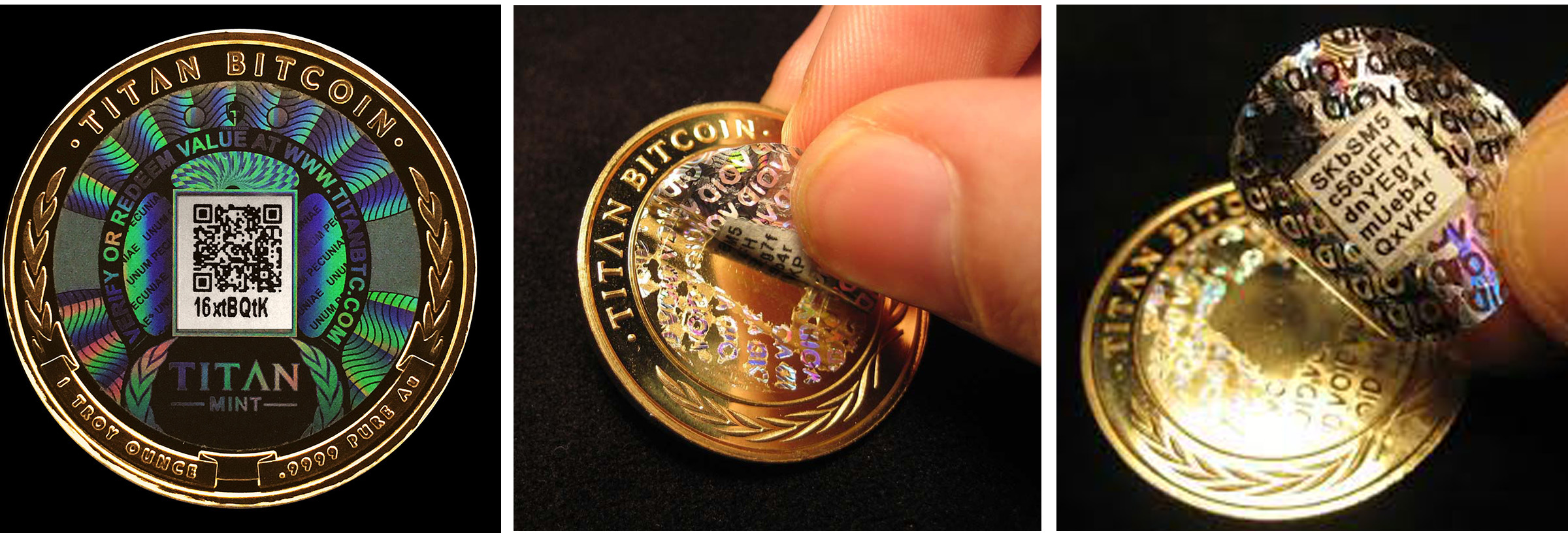
Loaded Titan Bitcoins. The physical bitcoin $BTC BTC manufacturer Titan is no longer in business.

Bobby Lee, the co-founder of the company, explained to his Twitter followers how BTCC Mint’s physical bitcoin $BTC BTC sales in China touched record highs before it closed operations. The mint did manage to produce a 2018 series, which is still available to U.S. customers through a company called Rogue bitcoin. In fact, there are plenty of physical bitcoin $BTC BTCs for sale on secondary markets as third parties have managed to hoard these coins and sell them for a profit. On Ebay, and many other auction and e-commerce websites, there are plenty of Casascius, Satori, Titan, and BTCC loaded coins. However, collectors will find that prices are way higher than what the coin was sold for originally and well above what it holds digitally.

Regulations have ruined the physical bitcoin industry
Loaded Satori coins. The Japanese manufacturer announced this past April it had to close up shop due to the FSA’s strict regulations.

Governments Don’t Like Competing Bearer Bond Instruments 

The biggest reason for most of these firms going out of business is predominately overreaching regulation. The U.S. government, for instance, may be okay with people exchanging cryptocurrency in a regulated manner digitally. However, issuing physical bitcoin $BTC BTCs that are loaded or any other type of manufactured bearer bond instrument that competes with the U.S. dollar is not a good idea and you could wind up in prison.
Regulations have ruined the physical bitcoin industry
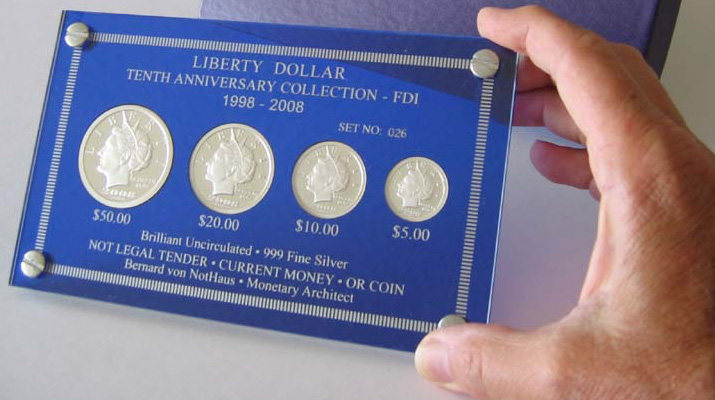
Liberty Dollars created by Bernard von Nothaus. U.S. law enforcement said the Liberty Dollar coins were marked with the dollar sign ($); the words dollar, USA, Liberty, Trust in God (instead of “In God We Trust”); and other features associated with legal US coinage.

This can also happen to coin creators even if the products are minted without digitally loaded value inside them. On March 18, 2011, the U.S. government convicted 67-year old Bernard von Nothaus for being the monetary architect of a currency. Essentially von Nothaus’s “Liberty Dollar” operations ended immediately and U.S. Attorney Anne Tompkins did not take kindly to the creation. “Attempts to undermine the legitimate currency of this country are simply a unique form of domestic terrorism,” Tompkins explained at the time.
Regulations have ruined the physical bitcoin industry
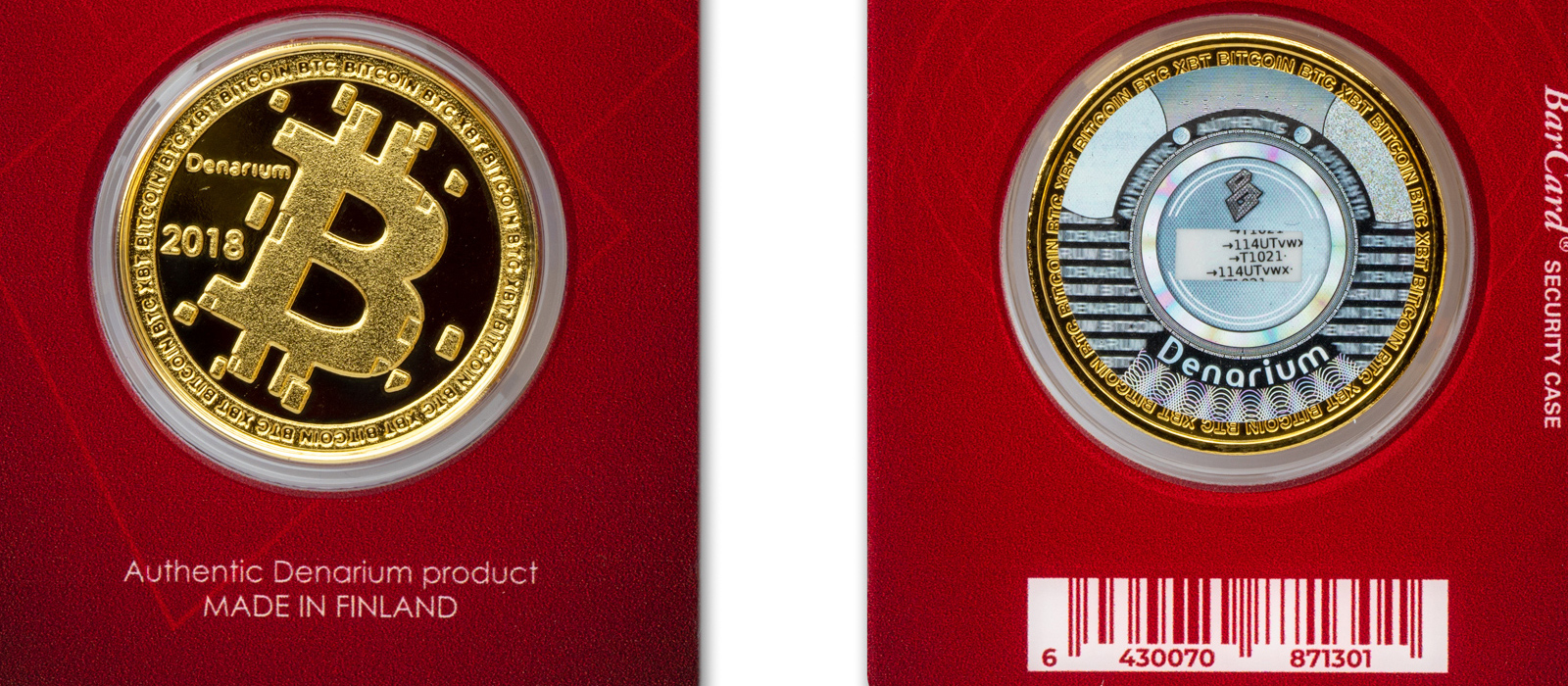
Denarium products can still be purchased from the Finland-based dealer with up to 2BTC loaded on certain coins.

There are plenty of coin makers that sell metal ‘bitcoins’ with no digital funds, but there is one company that still issues physical bitcoin $BTC BTCs that are loaded. Denarium sells a variety of pre-funded physical coins in bronze, silver, and even .999 gold. The pieces are made by a Finnish company called Prasos and private keys are covered by a tamper-resistant hologram. Some of Denarium’s products have units like 1 BTC tied to them, while with other types of coins, the customer can add a custom sum. The Denarium Custom Gold Plated 2018 piece can be loaded with fractions of BTC and up to a maximum of 2 BTC per coin. Besides Denarium and overpriced secondary markets, finding physical cryptocurrency manufacturers who are willing to sell coins loaded, unfortunately, is now all but impossible.

What do you think about the lack of physical bitcoin $BTC BTC manufacturers in 2019? Let us know what you think about this subject in the comments section below.


Images via Denarium, Satori coins, Titan Bitcoins, BTCC Mint, Casascius, and Pixabay. 


Have you seen our widget service? It allows anyone to embed informative bitcoin.com widgets on their website. They’re pretty cool, and you can customize by size and color. The widgets include price-only, price and graph, price and news, and forum threads. There’s also a widget dedicated to our mining pool, displaying our hash power.

The post Regulations Have Ruined the Physical Bitcoin Industry appeared first on Bitcoin News.

source: https://news.bitcoin.com/regulations-have-ruined-the-physical-bitcoin-industry/

Published at Sun, 20 Jan 2019 22:50:39 +0000

Previous Article

Bitcoin ATM to be launched in Venezuela amidst Petro commotion

Next Article

DAPPLE AIRDROPS — BATCH TRANSFER ANY ERC20 TOKEN! – Zenos Pavlakou

You might be interested in …

Cryptocurrency Price Surge Could Lead to Hacked Smart Homes

A security expert says that rising cryptocurrency prices can lead to a surge in cryptojacking of people’s smart homes.


If there’s one thing that movies have educated us on, it’s that there’s always some form of unintended consequences when it comes to new technology. Usually this comes in the form of horrific doom as mankind is wiped out by killer robots or some terrible plague. Yet there are some unforeseen events that can occur as people begin to accept and embrace something that appears initially mundane, such as smart appliances in one’s home. One interesting possibility with some slightly sinister overtones is that a person’s smart home could be attacked via cryptojacking due to the exploding price in bitcoin and other cryptocurrencies.

Increased Tech Means Increased Vulnerability

Technology has become an integral part of our everyday lives, from smart phones to streaming movies at home. The normal person looks to harness the power of technology to make their life easier and more fulfilling, but others look to harness technology to put money in their pockets. While such an attitude isn’t a bad thing on the surface, the method that they use to do so can be. Case in point is people hijacking the tech of others to surreptitiously mine cryptocurrency.

The increasing value of cryptocurrency means that it can be very profitable to mine crypto, especially if you’re not paying for the equipment or power to do so. One common means that illicit miners use is to slip some code onto a website to harness the computers of those visiting the site. A popular choice is the Coin Hive malware that has been found on many sites, including that of the UFC. Without any consent or knowledge, your computer could be tasked to mine for some crypto.

However, such mining hacks don’t end there. Your smart phone may be infected as well. 2017 saw a 34% surge in mobile apps that featured code for mining cryptocurrencies. Even the insanely popular Facebook Messenger app was found to have been infected with a crypto mining hack. Now this illicit mining can even have an impact upon your home.

Home Sweet Home

The latest possible target, according to some security experts, for illicit crypto miners is your smart home. It seems that smart devices can be the target of cryptojacking, where your internet-connected appliances could be used to mine various virtual currencies. Such devices can include light bulbs, cameras, and even thermostats.

The director of advisory services for EMEA at cyber security firm IOActive, Neil Haskins, told The Independent:

Any device that is ‘smart’ now has the three key ingredients to provide the cyber bad guy with everything they need – internet access, power and processing.

I can introduce my crypto-mineware via a compromised mobile phone and start to exploit the processing power of your home devices to mine bitcoin.

The results can be massively higher energy costs for the home owner. The really bad part is that they’re still on the hook for it as the power is being used. The insidious part is that such illicit crypto mining could go on for months without being detected. Who checks to see if their smart refrigerator is being used to mine Monero or some other cryptocurrency?

Haskins says that there are some ways to protect one’s home. He says that consumers should demand a security rating in addition to a smart appliance’s power efficiency. He also adds:

In the meantime, consider the entry point for most cyber bad guys. Generally, this is your desktop, laptop or mobile device. Therefore, ensure you have suitable security products running on these devices, make sure they are patched to the correct levels, and be conscious of the websites you are visiting. If you control the available entry points, you will go a long way to protecting your home.

The bad news is that some crook could cost you a higher energy bill while he makes bank off of your home through cryptojacking your smart devices. On the plus side, at least your smart home won’t be going berserk and trying to kill you like in a horror movie.

How possible is it for the average person to safeguard their smart home from illicit crypto miners? Are you worried about your home? Let us know in the comments below.


Images courtesy of Pixabay and Bitcoinist archives.

The post Cryptocurrency Price Surge Could Lead to Hacked Smart Homes appeared first on Bitcoinist.com.