
January 25, 2026

Capitalizations Index – B ∞/21M

Polish Central Bank Paid Youtuber to Attack Cryptocurrencies

Polish central bank paid youtuber to attack cryptocurrencies

Polish Central Bank Paid Youtuber to Attack Cryptocurrencies

Polish central bank paid youtuber to attack cryptocurrencies

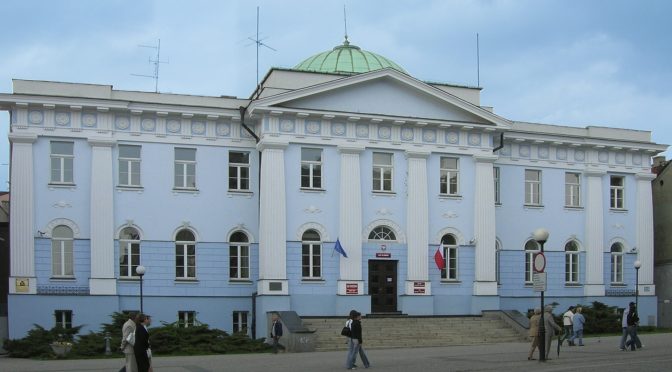
Poland’s central bank — Narodowy Bank Polski (NFB)— has admitted to paying for social media campaigns that attacked the legitimacy of cryptocurrencies. The bank spent 91,000 zloty ($27,100) on the campaigns, with the money going to Google, Facebook, and a Polish Youtube partner network called Gamellon, Money.pl reports. The news comes after the site published a letter from NFB in which it admits it paid for the anti-crypto campaign.

While it’s not unusual for governments or agencies to issue warnings or try to educate the public on what regulators may consider risky investments, Polish financial authorities have taken it a step further, spending taxpayers’ money on a smear campaign— trying to sway public opinion against crypto assets by paying social media influencers to attack them. The bank worked in cooperation with the country’s Financial Supervision Authority, Komisja Nadzoru Finansowego (KNF).

The money went to a Polish Youtube network that represents many popular, young content creators. A video with the title “I LOST ALL MONEY?!” — which depicted investments in cryptocurrencies in a negative light — appeared on December 8th on Marcin Dubiel’s channel, a Polish Youtube prankster who has over 900,000 subscribers.

Dubiel’s video, which has over 500,000 views, contains the hashtag #uważajnakryptowaluty. The tag is associated with the “Watch out for cryptocurrencies” website, which was set up by the central bank. The Planeta Faktów (Planet of Facts) Youtube channel was also paid to produce a video titled “10 differences between money and cryptocurrency that you need to know.”

Of note is that the video was not marked on Youtube as “including paid promotion,” and there is also no mention in its description that it is part of the campaign for which the NBP paid. Polish technology website Spider’s Web notes that this is against the law in Poland, where sponsored content has to be marked as such. Furthermore, judging by the quality of the content, its distribution channels, and its creators, the smear campaign appears to target a younger generation.

This type of attack, one that utilizes social media, is a fast-growing method for influencing public opinion. Over the past few days,  the U.S. Justice Department has charged 13 Russians and three companies in an indictment that unveiled a sophisticated network designed to subvert the 2016 election and to support the Trump campaign. It stretched from offices in St. Petersburg, to the social media feeds of Americans, and, ultimately, into the streets of election-influencing battleground states. The Polish Central Bank seems to be taking a similar approach, but this time to influence the public’s opinion on cryptocurrencies.

After questions were raised, NBP, in a letter dated February 9th, admitted that it “carried out a campaign on the issue of virtual currencies in social media.” As mentioned above, the campaign cost about $27,000 in taxpayers’ money.

Poland’s central bank is one of many across the globe that has issued warnings against cryptocurrencies and associated technology. The Monetary Authority of Singapore has urged citizens to “act with extreme caution,” while South Korea’s Financial Supervisory Service (FSS) has also warned people about investing in the virtual coins.

Published at Sun, 18 Feb 2018 22:04:40 +0000

Industry News
Previous Article

Plaak Is Pleased to Announce That Safex Will List Their Token on Our up and Coming Plaak Exchange.

Next Article

RT @Bazista_io: Check out an article about Bazista on Coin Shark: https://t.co/oKN1yxk6Uy #Bazista #ico #token #bitcoin #blockchain #eth…

You might be interested in …

Investors Should be More Careful in Which ICOs They Invest

As Initial Coin Offerings are rising in popularity, experts are advising investors to be careful about fraudulent token sales.


Fraudulent ICOs

Fraudulent ICOs

Initial Coin Offerings, or ICOs, have become increasingly popular over the past year. Many interesting projects and startups have decided to raise funds through ICOs instead of through venture capitalists. According to the cryptocurrency statistics website CoinSchedule, over $3 billion was invested in many different token sales this year alone. The reason why so many individuals and hedge funds are heavily investing in ICOs is the potential high return on their investments.

Most ICOs have returned very impressive returns for the early investors, and thus they manage to catch the attention of more new investors. But some experts warn that potential fraudulent ICOs might try to abuse the current market trend in order to raise funds without delivering any products. In a recent CNBC interview, co-founder of Ethereum Joseph Lubin and CEO of Ripple Brad Garlinghouse, they gave statements regarding the current token sale trend. The Ethereum co-founder stated following:

High-quality projects, but there have been a lot of copycat projects where people copy all the same materials (and) don’t intend to deliver any value to the people buying the tokens

These fraudulent token sales have also caught the attention of the Chinese government. In a quick response, Chinese regulators decided to effectively ban any ICOs and token sales in China until the government implements proper regulations. Lubin stated following regarding the Chinese ICO ban:

With China’s political approach to things, and with the fraud that was rampant there, it made a lot of sense for them to pause things a little bit and get a better, deeper understanding of the ecosystem, and scare potential fraud perpetrators

Token sales are also a very important component in order to drive innovation in the cryptocurrency and tech community according to analysts. Garlinghouse stated following:

There are a lot of really fabulous things that get done with digital assets and blockchain technologies to reduce friction, to reduce costs, and enable things that weren’t possible before. I think instead of focusing on those, we’re distracted by what’s going on in this gray area

More Regulations?

More Regulations?

China isn’t the only government that took a stance on ICOs. The South Korean government has also moved on banning token sales until further notice. Experts believe that more governments worldwide are going to implement and enforce regulations for token sales, in order to protect consumers and investors from scams. US and UK regulators are currently observing the ICOs markets before they decide to implement regulations.  Many cryptocurrency community members believe that more regulations might hinder and potentially even damage the progress of bitcoin and blockchain technology development in the future.

What are your thoughts on fraudulent token sales? Do you think that governments should implement more regulations in order to protect investors from ICO scams? Let us know in the comments below!


Image courtesy of Pixabay

The post Investors Should be More Careful in Which ICOs They Invest appeared first on Bitcoinist.com.

Re: [ann]cryptocurrency's killer app: disrupting web ads via raiblocks micropayments

Re: [ANN]Cryptocurrency's killer app: disrupting web ads via RaiBlocks micropayments

Re: [ANN]Cryptocurrency's killer app: disrupting web ads via RaiBlocks micropayments            ▄▄▄▄▄       ▄▄█████████████▄    ▄█████▀       ▀█████▄ ▄████▀             ▀████▄ ███▀            […]