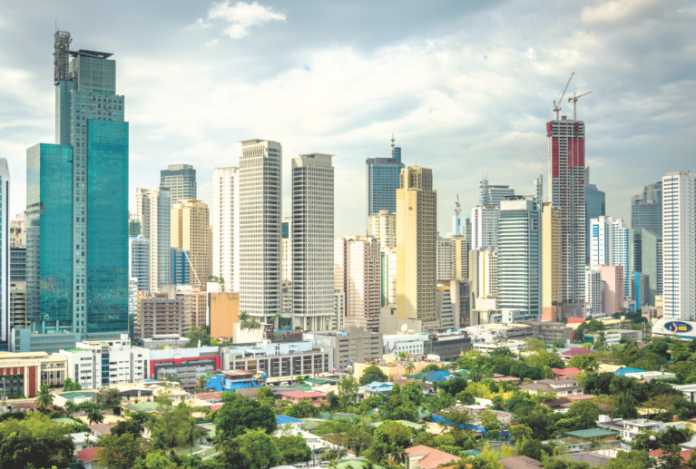
The Philippines is catching up to Japan with a growing number of approved cryptocurrency exchanges. The central bank has green-lighted 10 crypto exchanges so far. Meanwhile, one of the country’s largest banks now has a bitcoin ATM at one of its main branches. In addition, the Cagayan Economic Zone Authority has independently licensed 24 crypto exchanges.
Also read:
10 Legal Crypto Exchanges
The Bangko Sentral ng Pilipinas (BSP) has approved 10 cryptocurrency exchanges in total, according to the most recent list provided by the central bank. Three of them were recently added, the Manila Times Monday.
Melchor T. Plabasan, the officer in charge at the Technology Risk and Innovation Supervision Department of the central bank, said the latest crypto exchange operators authorized were Bexpress Inc., Coinvillel Phils Inc., and Aba Global Philippines Inc.
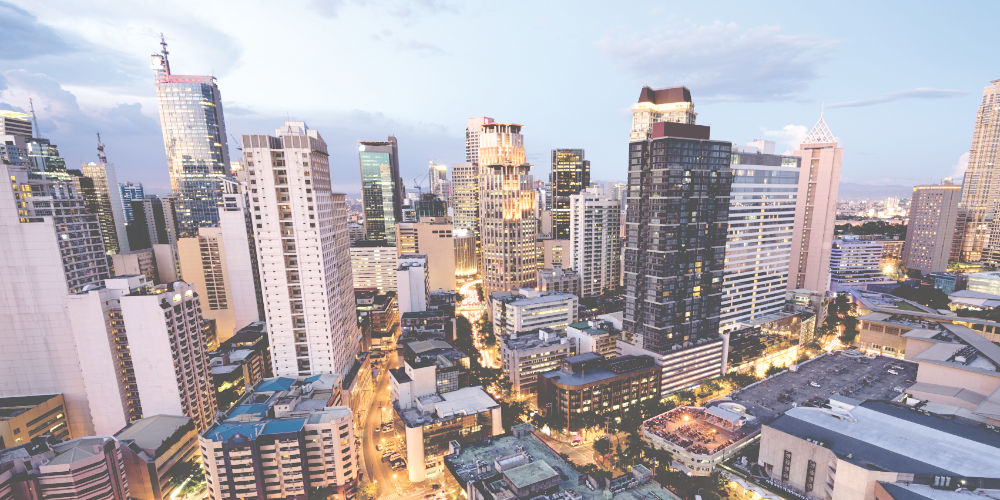
The most recent list of remittance and transfer companies with money changing or foreign exchange dealing as well as virtual currency exchange service provided by the central bank comprises 10 businesses. Besides the three new additions, the seven others are Betur Inc. dba Coins.ph, Remittance Inc., Bloomsolutions Inc., Virtual Currency Philippines Inc., Etranss Remittance International Corp., Fyntegrate Inc., and Zybi Tech Inc.
In comparison, Japan’s top financial regulator recently registered two new crypto exchanges, bringing the total of approved exchanges in the country to 19. Furthermore, the regulator has news.bitcoin.com that over 140 more companies have expressed interest in operating crypto exchanges in Japan.
bitcoin ATM at a Major Bank
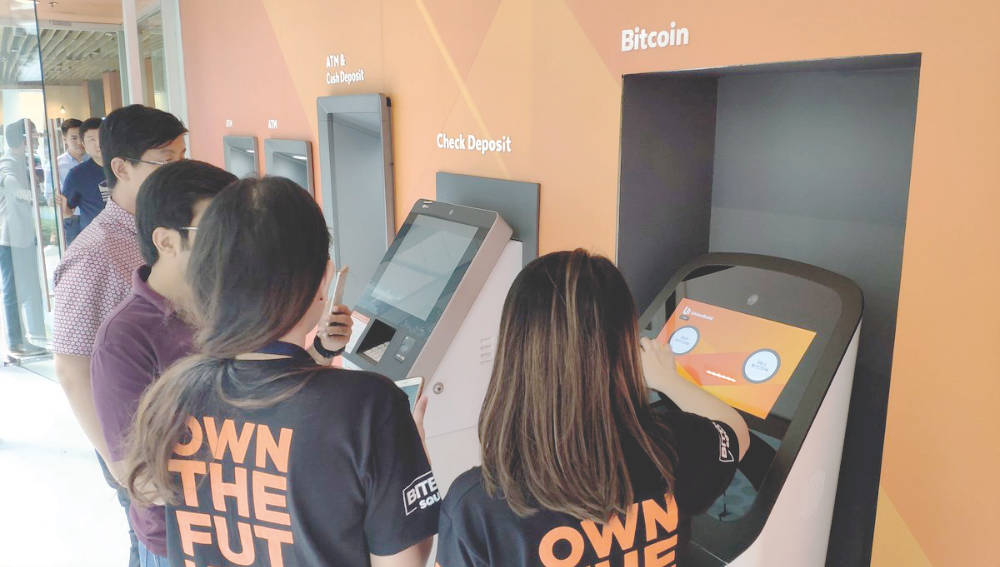
Union Bank of the Philippines (UBP) aka Unionbank, one of the largest banks in the country, recently a bitcoin ATM at one of its main branches, with the approval of the central bank and in partnership with Coins.ph. Last month, the bank announced that this ATM is now operational.
News.bitcoin.com talked to a representative of the bank who explained that the machine can only be used to buy and sell BTC currently. Noting that the “ATM is located in the Ark Makati and can only be accessed during Ark branch hours,” the representative elaborated:
When they sell their bitcoin, users will be able to withdraw the money they made in the transaction from the ATM directly. You have to be a UBP account holder and have a crypto wallet (like Coinsph), users who do not have a UBP account can open one in the Ark where the ATM is located.
The BSP issued Memorandum 2019-006 on March 14 reminding banks that operators of cryptocurrency ATMs are considered virtual currency exchanges and must be registered with the bank, as mandated in Circular No. 944 dated Feb. 6, 2017.
According to Business World, Unionbank CEO Edwin R. Bautista said the bank plans to add more crypto ATMs in more branches, with the approval of the BSP. The bank currently has about 300 branches.
Ceza Has Issued 24 Licenses
Instead of obtaining a license from the central bank, crypto exchanges can obtain offshore licenses from the government-owned Cagayan Economic Zone Authority (Ceza) which has independently been a number of crypto exchanges.
Ceza CEO Raul Lambino last month that “24 principal licenses and six regular licenses for cryptocurrency exchanges” have been issued, “as well as four licenses for 15 companies involved in financial technology solutions.”

However, unlike the harder-to-obtain BSP license, the Financial Technology Solutions and Offshore Virtual Currency (Ftsovc) license issued by Ceza comes with several restrictions. According to Bitpinas news outlet, this license exchanges to “run the business in the Philippines but must only service users from outside the country.” The publication further explained that “This license allows the company to do crypto-to-crypto transactions but does not allow the company to facilitate crypto-to-fiat transactions as that is a separate license from the Bangko Sentral ng Pilipinas.”
What do you think of the Philippines approving all these crypto exchanges and Unionbank having a bitcoin ATM? Let us know in the comments section below.
Images courtesy of Shutterstock and Ron Hose.
Need to calculate your bitcoin holdings? Check our section.
The post appeared first on .

is author of this content, TheBitcoinNews.com is is not responsible for the content of external sites.
source:
TheBitcoinNews.com is here for you 24/7 to keep you informed on everything crypto. Like what we do? Tip us some Satoshi with the exciting new Lightning Network Tippin.me tool!
Published at Wed, 10 Apr 2019 05:15:20 +0000