DAO for Doctors can solve the lack of community crisis in Healthcare
In we discussed that Healthcare is currently a non-sustainable business ecosystem because it lacks a community that shares a common sense of purpose and that the first step to create a community is to design incentives based on distributed trust.
In part 2 we will discuss how to build a governance system within a decentralized business organization.
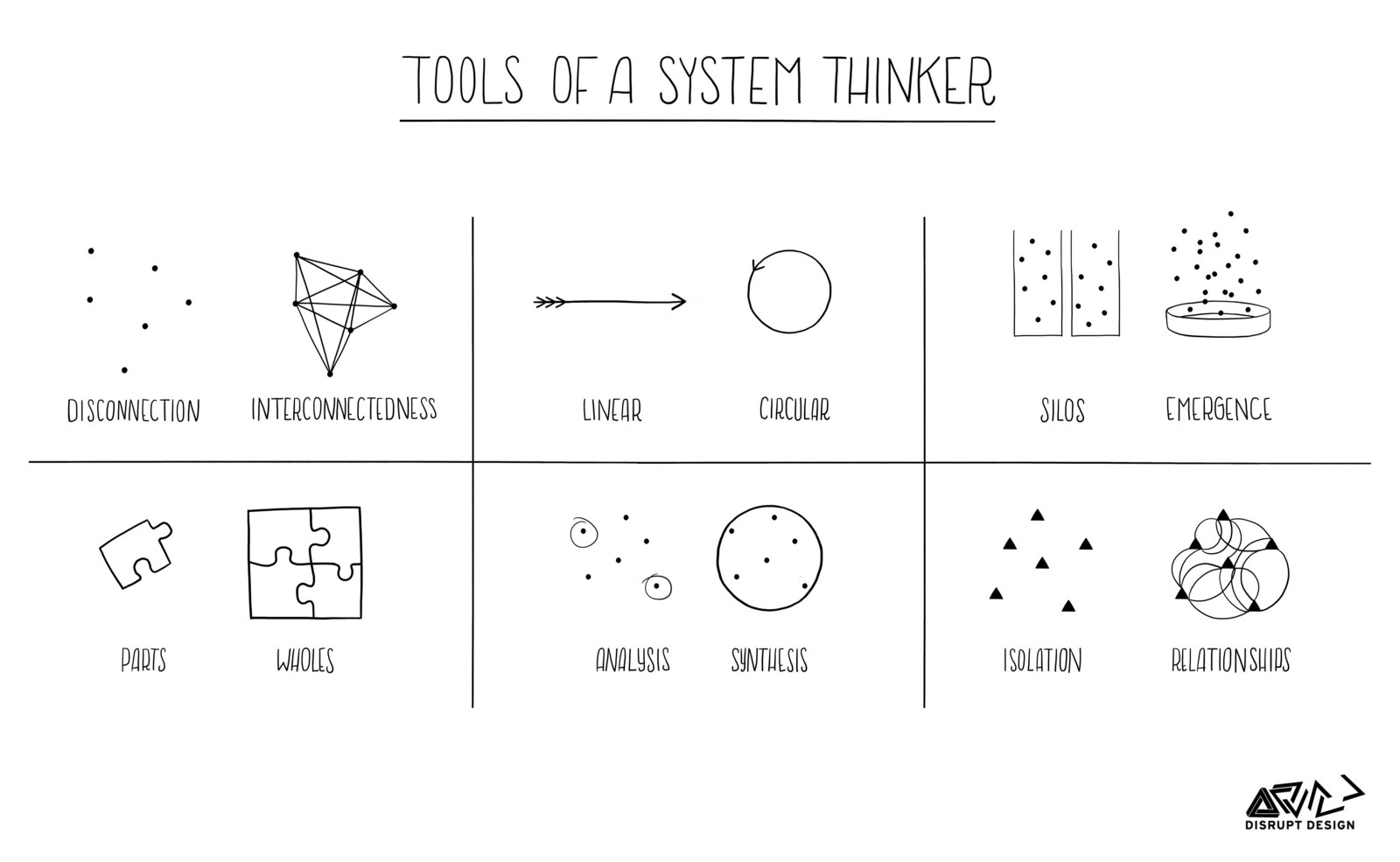
First, apply systems thinking
It is necessary to apply a that can map the interconnectedness and emergent properties of the healthcare system, identify causality within it and locate the positive/negative feedback mechanisms that maintain the current status quo.
Second, design a governance system
Such a design would include a governance with monetary and incentives that encourage coordination and discourage predatory practices, while providing a common mission, taxonomy and sense of purpose.
(for an excellent review on governance please read ).
The best design for good Governance (from ) includes:
- Performance orientation
- Openness, transparency, integrity
- Effective collaboration
Because governance is a coordination effort driven by different stakeholders with different (and sometimes competing) agendas there are different models of governance:
- Autonomous Governance which requires little coordination and ensures only the maintenance of a pre-determined protocol, code or agreement(s).
- Governance Capture where governance “captures” previous corporate, regional or State rules maintaining sovereignty, privacy and data protection (the most applicable to healthcare).
- Public/Private Governance via international law, driven by private people, corporations and NGOs (perhaps appropriate for WHO, , , ).
(for a full review read post ).
To ensure successful implementation of a governing protocol, describing minimal community etiquette is necessary. These behaviors should define civility (the ) and the expectation of an active and direct involvement of members in the wellbeing of the community (citizenry).
(I wrote about direct democracy instruments ).
Third, Implement Governance Within A Dao For Doctors
Why a Distributed Autonomous Organization (DAO)?
DAO is a business or organization whose decisions are made electronically by a written code through the vote of its members (). In essence it is a system that defines which actions the organization will take in specific scenarios. These rules can be anything from dividend payouts at a certain event to how members are encouraged to interact with each other.
The idea of a DAO is not just to overcome human fallibility in business (think greed, stupidity, laziness) but to avoid toxic behavior (the ) by connecting people to a common cause that everyone owns.
Humanitarian Physicians Empowerment Community- DAO For Doctors
Humanitarian Physician Empowerment Community () is a DAO for Doctors that gives every physician a self-sovereign digital identity which allows them to move freely throughout the healthcare system (similar to , , and ). However it also creates a decentralized community that allows physicians to convene, discuss and collaborate with other fellow colleagues on practices, science and policy through the incentive of fractional ownership of the platform.
(Disclosure: I advise HPEC on a voluntary basis)
Finally, consider decentralized organizations other than DAO
There are decentralized models other than DAO, that may be suitable when designing distributed trust (and power) in healthcare. These include:
- Decentralized Autonomous Cooperatives () which are a collaboration of multiple DAOs, that may generate tokens through a .
- Continuous Organizations () that are organizations that set themselves in continuous fundraising mode, aligning stakeholders’ interests to their financial success through a Decentralized Autonomous Trust (DAT).
- Collaborative Network Economies (CONE) where large companies create autonomous decentralized company-like teams (below).
To Sum It Up:
- Healthcare is currently a non-sustainable business ecosystem because it lacks a community that shares a common sense of purpose.
- The first step to create a community is to design incentives based on distributed trust, that encourage collaboration and discourage predatory practices.
- The next step is to design a governance system that increases choice, diversity and competition while encouraging civility and active participation (citizenry) through fractional ownership.
- Professional DAOs (like HPEC), DACs, COs or CONEs can all serve as structural decentralized models that can transform different elements in healthcare into a more sustainable, resilient .
Published at Sun, 06 Jan 2019 14:10:26 +0000