Photo: Opera / YouTube
Norway-based Opera, known for making web browsers for mobile phones and PCs, has announced a new buying service for Android users. Now they can buy Ethereum directly from its browser-based wallet. Just a few clicks from the browser’s main menu is all you need to get coins.
Currently, the service is available for users in Sweden, Norway, and Denmark.
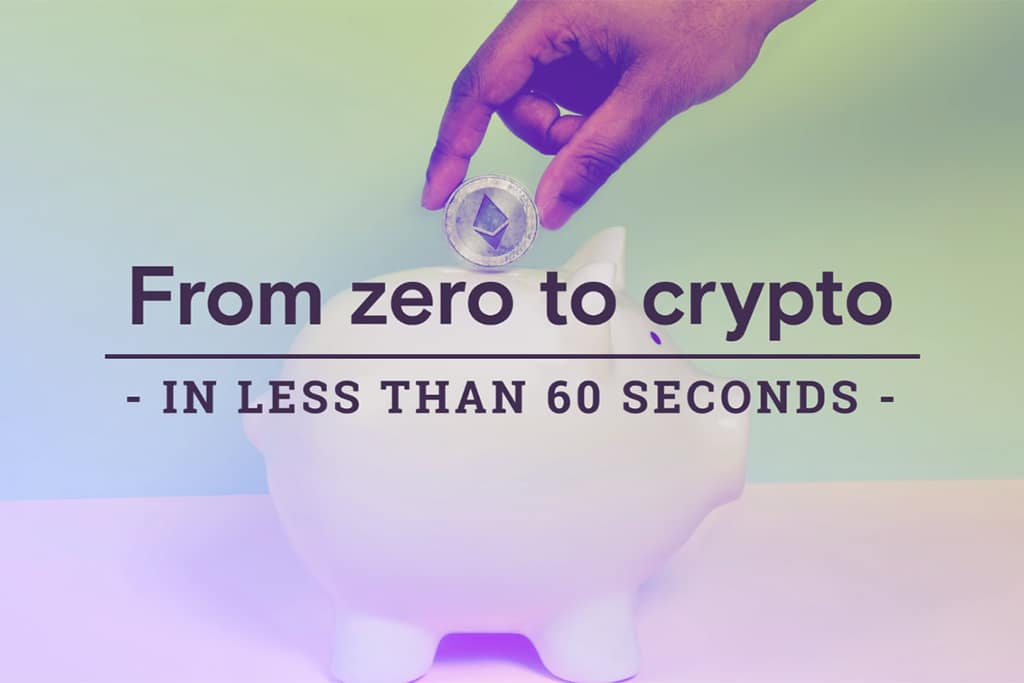
You can now top up your wallet in Opera for Android in less than 60 seconds. Now available with in Sweden, Norway & Denmark. Be the first to try it in beta:
— Opera (@opera)
To make this launch, Opera partnered with , safe and simple ₿itcoin exchange for European customers. As a result, users are allowed to make payments with credit and debit cards, along with “trusted” payment networks including Swish in Sweden.
Frank Schuil, CEO and co-founder of Safello, commented on the collaboration:
“Our solution will secure all transactions on the Opera browser through the same rigorous regulatory requirements that built trust with our customers. Users’ identities will be verified securely and seamlessly with BankID and NemID in the Nordics.”
He added:
“This integration puts the functionality to purchase crypto right at users’ fingertips. Safello will power transactions on the Opera mobile browser for Android in the fastest way possible — in less than 60 seconds. With the convenience of credit and debit card payments, and transfers over trusted payment networks, such as Swish in Sweden, we are bringing down barriers to ownership.”
To access the instant purchase function, users must first be signed up to the electronic identification system BankID, which operates in Norway and Sweden, or NemID, in Denmark. It is notable that the function of instant purchase requires paying a fee. Safello usually charges a 7 percent fee on the quick buy option, however, for a limited time, users in Sweden will be given a discounted fee of 2.5 percent from the exchange, while Danish and Norwegian users receive a discounted fee of 5 percent.
Charles Hamel, Opera’s product lead for crypto, explained how the idea to launch instant purchase functions appeared. The team identified the main hurdles to the mainstream adoption of crypto. These barriers include the separation of wallet and browser, a burdensome process of obtaining cryptocurrency, and difficult scaling of products.
Hamel said:
“We hope that by removing all this friction, developers will be able to reach a wider audience more easily, and in turn build new web3 services that have a more mainstream appeal.”
Currently, the function is being tested and is likely to be met with support and approval.
We are currently testing a built-in VPN in our Opera browser beta for Android! We know how valuable your online privacy is – Hit the link below and get to know more about it:
— Opera (@opera)
Opera’s built-in Ethereum crypto wallet has already got positive feedback. in December 2018, the wallet maintains a high-security level. It gives users total control of their collectible keys and funds as they are all stored on their smartphone. Also, the wallet uses Android’s secure system lock that makes blockchain transactions easier. Therefore, users do not need any extra passwords or PIN codes.
Opera obviously has a lot of ambitions. Earlier, the company with blockchain advisory and financial services firm to explore possible blockchain applications. In the future, Opera plans to find more growth and development opportunities.
Published at Thu, 07 Feb 2019 10:39:40 +0000