The clock just started on the latest effort to launch a exchange-traded fund ().
The U.S. Securities and Exchange Commission () announced it was beginning its review of a filed by on Feb. 11, and the proposal itself was published in the Federal Register on Feb. 15, meaning the regulator has 45 days to make its initial decision on whether to approve, reject or extend the proposal.
The has at most 240 days to make a final decision on whether to approve or reject the .
Members of the general public looking to file responses to the rule change proposal have three weeks to submit any comments.
Many proponents of ETFs believe the funds will bring new investors and increased liquidity to the market.
NYSE Arca and Bitwise announced their attention to earlier this year, filing the rule change proposal . However, due to the government shutdown, the did not publish the filing in the Federal Register, meaning the agency was not examining the proposal.
That changed today, with starting the latest countdown.
The has yet to approve a , rejecting several and asking others to withdraw their submissions.
However, commissioner Robert Jackson recently said he believes one will be approved “,” anticipating that sooner or later a proposal will match all of the regulator’s guidelines.
That being said, not everyone thinks an will actually bring in fresh liquidity, such as , who previously told CoinDesk that existing fund products, such as the Grayscale Investment Trust, may already serve the same purpose.
Most recently, VanEck and SolidX a joint proposal filed with Cboe BZX Exchange due to the recent U.S. government shutdown. The proposal, first filed in 2018, had faced a final decision date of Feb. 27, and was widely considered to be a strong candidate for approval.
However, conversations between its proponents and regulators lapsed as , and VanEck CEO Jan van Eck explained that the firms thought it would be better to pull the proposal and re-file at a later date than to hope it be approved on a technicality. The companies the following week.
While the has published the on its website, this one has yet to appear in the Federal Register, meaning the clock has not yet started for this .
Editor’s note: This article has been updated with further information.
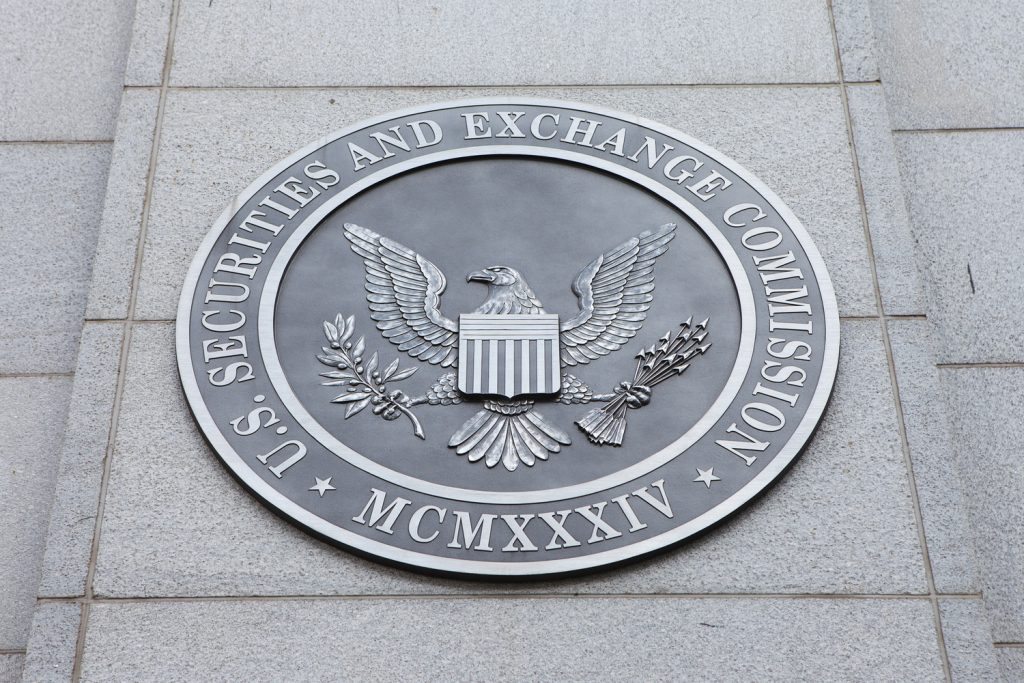
image via Mark Van Scyoc / Shutterstock
Published at Fri, 15 Feb 2019 15:08:54 +0000
