Understanding Non-Custodial Wallets and Their Role in bitcoin Ownership
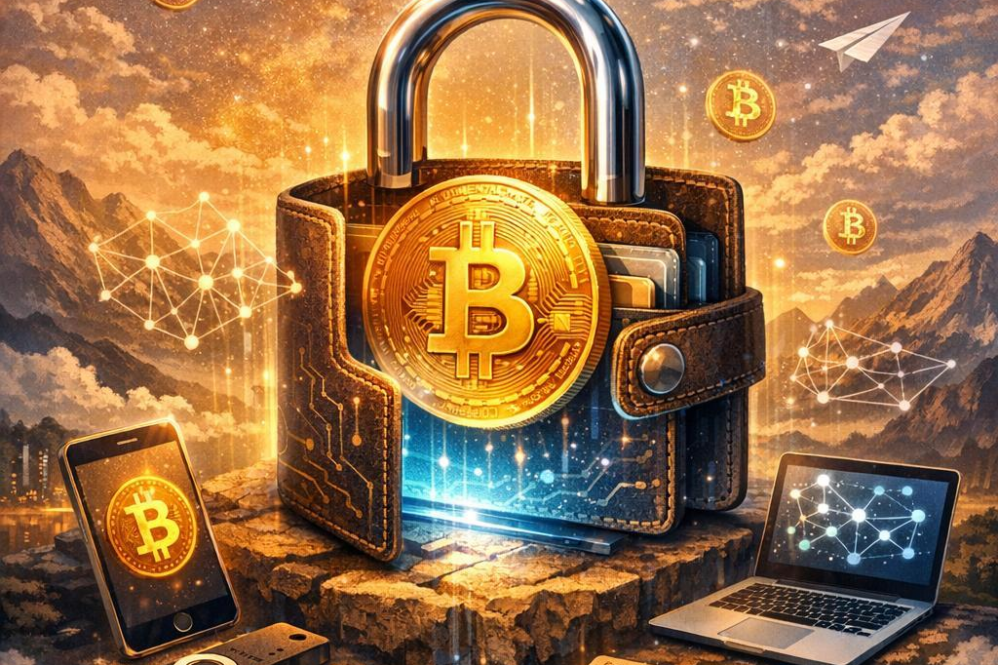
Non-custodial wallets place the power of bitcoin ownership squarely into the hands of the user by eliminating intermediaries. These wallets allow holders to maintain exclusive control over their private keys, a fundamental aspect of true bitcoin ownership. unlike custodial wallets managed by third parties, non-custodial solutions foster independence and enhance security by ensuring that only the owner can authorize transactions.
Key features of non-custodial wallets include:
- Full control over private keys: Users generate and store their keys locally, removing reliance on external custodians.
- Enhanced privacy: Transactions are handled directly without exposing user data to third parties.
- resilience against centralized failures: Absence of a central authority reduces risks of hacks or freezes associated with custodial platforms.
| Aspect | Non-Custodial Wallets | Custodial wallets |
|---|---|---|
| Private Key Control | User Holds Keys | Third Party Holds Keys |
| Security | User-Managed, Decentralized | Centralized, Prone to Hacks |
| Privacy | High – Direct Transactions | Lower – Data Shared with Custodian |
| Recovery Options | Seed phrase/Backup | Custodian Assistance |
Security advantages of Non-custodial Wallets Over Custodial Alternatives
Non-custodial wallets offer unparalleled autonomy by giving users exclusive control over their private keys, the fundamental element that governs access to their bitcoin holdings. Unlike custodial solutions, where third-party entities hold the keys on behalf of users, non-custodial wallets eliminate the risk of external breaches impacting assets. This direct ownership drastically reduces vulnerabilities linked to centralized custodians, such as hacking incidents, regulatory freeze, or insolvency, ensuring that the user remains the sole gatekeeper of their digital wealth.
Key security benefits include:
- Complete Ownership: Users possess and manage their private keys, minimizing reliance on external institutions.
- Resistance to Centralized attack Vectors: Absence of a single point of failure prevents the common exploits that plague custodial platforms.
- Enhanced Privacy: Transactions and balances are not exposed to or monitored by third parties, protecting user identity and financial behavior.
| Security Aspect | Non-Custodial Wallets | Custodial Wallets |
|---|---|---|
| Private Key Control | User owns keys | Held by third party |
| Risk of Hacks | Reduced, decentralized control | Higher due to centralized servers |
| Access Versatility | Always accessible by user | Dependent on provider uptime |
Ultimately, the empowerment that non-custodial wallets provide translates into a robust, user-driven security model that aligns with the foundational beliefs of bitcoin as a trustless, decentralized monetary system. This paradigm shift from institutional oversight to personal obligation fosters an environment where privacy, control, and security coexist without compromise.
Key Features to Look for When Choosing a Non-Custodial bitcoin Wallet
Security measures are paramount when selecting a non-custodial bitcoin wallet. Robust encryption protocols and advanced authentication methods such as multi-factor authentication (MFA) or biometric verification ensure that your private keys remain inaccessible to unauthorized parties.Look for wallets that provide full seed phrase backups and allow users to maintain complete control over their cryptographic keys. This autonomy is the cornerstone of non-custodial wallets,empowering users to be the sole guardians of their assets without intermediaries.
User experience and accessibility also play a crucial role in choosing the right wallet. The interface shoudl be intuitive yet extensive, offering clear navigation without sacrificing advanced features for seasoned users. Compatibility across various devices-desktop, mobile, and hardware wallets-enhances convenience, enabling seamless transactions anytime and anywhere.Customizable settings that allow users to adjust transaction fees and privacy options further ensure that the wallet adapts to individual preferences and usage scenarios.
| Feature | Importance | Benefit |
|---|---|---|
| Seed phrase Recovery | High | Restores wallet access independently |
| Open-source Code | Medium | Ensures openness and auditability |
| Cold storage Compatibility | High | Protects keys from online threats |
| Custom Fee Settings | Medium | Optimizes transaction cost and speed |
community support and developer reputation provide invaluable indicators of long-term reliability. Opt for wallets backed by active developer teams who frequently update software to patch vulnerabilities and enhance features. A vibrant user community offers peer support,tutorials,and shared best practices that can elevate your wallet usage experience. Balancing these elements ensures that your choice aligns with both security standards and practical usability,truly handing you the reins of your bitcoin journey.
Step-by-Step Guide to Setting Up and Using a Non-Custodial Wallet Safely
Begin by selecting a wallet that aligns with your security preferences and usability needs. Popular non-custodial wallets like Electrum,Exodus,or Wasabi offer varying degrees of privacy and ease of use. After installation, the most critical step is to generate your seed phrase or recovery phrase.This sequence of words is your master key to restoring access to your bitcoins,so write it down on paper and store it in a safe,offline location. Avoid saving this phrase digitally to prevent exposure to hacks or malware.
Once your wallet is initialized, configure essential security settings to minimize risk. Enable two-factor authentication (2FA) if your wallet supports it, and set a strong, unique password for wallet access. During setup, you may be prompted to create a PIN or passcode-choose one distinct from other personal codes. Regularly update your wallet software to patch vulnerabilities and benefit from the latest security enhancements. Never share private keys or seed phrases with anyone, as posession of these grants full control over your funds.
After securing your wallet, familiarize yourself with transaction procedures to avoid costly mistakes. Always double-check the recipient’s address before sending bitcoins, since blockchain transactions are irreversible. Use the wallet’s built-in address book to store frequently used contacts safely. When sending funds,review the network fees carefully; opting for the recommended fee ensures timely confirmation without overspending. for enhanced safety,consider using a hardware wallet integrated with your non-custodial software wallet,adding an extra layer of protection against online threats.
best Practices for Managing Private Keys and Ensuring Wallet Recovery
Managing private keys with precision and security is the cornerstone of truly owning your bitcoin thru non-custodial wallets. it is essential to adopt multi-layered protection methods such as encrypting private keys with strong passphrases and storing them offline in secure locations. Physical backups-like hardware wallets, paper wallets, or metal seed phrase engravings-offer resilience against digital breaches and hardware failures. Equally critical is the habit of keeping these backups geographically distributed to mitigate risks from natural disasters or theft.
Best practices include:
- Using encrypted hardware or cold wallets to store keys offline.
- Regularly updating security protocols and software to patch vulnerabilities.
- Never sharing your private key or seed phrase under any circumstances.
- Employing multi-signature wallet solutions for enhanced transaction security.
- Documenting recovery procedures clearly and securely for trusted individuals.
| Security Principle | Recommended Action | Benefit |
|---|---|---|
| Redundancy | Multiple backup copies in different formats | Protects against data loss |
| Encryption | Use strong passphrases and offline storage | Prevents unauthorized access |
| Access Control | Limit access to trusted parties only | Reduces risk of theft or accidental loss |
Future Trends in Non-Custodial wallets and Their Impact on bitcoin Autonomy
As blockchain technology evolves, non-custodial wallets are set to become more intuitive and secure, offering users unprecedented autonomy over their bitcoins. Innovations such as multi-signature wallets, integration with decentralized identity protocols, and biometric security measures are transforming these wallets from simple storage solutions into comprehensive financial hubs. These advancements not only minimize reliance on third parties but also enhance transactional privacy and control, fostering a new era of truly decentralized finance where each user is their own bank.
Emerging trends also emphasize cross-chain interoperability and seamless integration with decentralized applications (dApps). Future non-custodial wallets will empower users to manage diverse digital assets under one unified interface while maintaining full control of private keys. This shift expands bitcoin’s usability beyond mere value storage into active participation in decentralized ecosystems, promoting greater liquidity and asset utility without compromising user sovereignty. Key developments expected include:
- Built-in decentralized exchange (DEX) functionalities enabling instant, peer-to-peer asset swaps.
- Smart contract wallets that automate complex transactions and conditional spending.
- Integration with Layer 2 solutions to enhance scalability and reduce micropayment fees.
To illustrate the evolving landscape,consider this simplified comparison table of current capabilities versus anticipated innovations in non-custodial wallets:
| feature | Current State | future Potential |
|---|---|---|
| User Control | full key ownership | Enhanced with biometric and multi-factor authentication |
| Interoperability | Limited to bitcoin network | Cross-chain and multi-asset support |
| Transaction Flexibility | Basic sending/receiving | Smart contracts and automated workflows |
As these next-generation features mature, the impact on bitcoin autonomy will be profound: users will navigate the ecosystem with complete freedom and confidence, supported by tools that align with the core ethos of decentralization. This secures a future where personal sovereignty over digital wealth is not just an ideal, but a tangible reality accessible to anyone.