While blockchain technology is being used for everything from personalized shopping to voting, and altcoins are pouring in across all industries, NextPakk’s blockchain is working overtime. It was designed to be a solution, and its specs continue to increase.
Worldwide rose to $2.3 trillion USD last year, with online retail projected to reach $4.88 trillion by 2021. As a result, we saw drones implemented while package delivery lockers rose in popularity; both in-car and in-home delivery solutions were offered.
These responses addressed last mile problems, though some were deemed “invasive” rather than “convenient.” Others weren’t an option for all areas and/or apartments.
In November 2017, USA Today referenced an Xfinity Home survey, in which 30% of Americans reported experiencing from their homes.
According to an Insurance Quotes survey published the same month, the number of Americans who’ve had from their homes added up to 25.9 million.
As online sales rise, retailers and major carriers struggle to keep up with demand. More packages are left on front steps or porches, awaiting their owners, and increasingly catching the eyes of porch pirates.
The inconvenience of those thefts is real, as is the financial burden to retailers as well as consumers.
What about data privacy?
The reality is, when someone steals a package, they not only get the contents, but also gain:
Name
Personal address
Invoice:
Phone number
Credit card information
That’s what porch pirates run away with – any (or all!) of it. Until now.
NextPakk’s service makes the last-mile problems of missed deliveries and stolen packages obsolete. It also significantly increases data privacy through the blockchain on which the delivery system is built.
How it works
When a consumer registers for a NextPakk account, a unique ID is assigned to them, along with the shipping address they should use, as determined by their home address.
The NextPakk customer ID acts as the name on the package, and a local Package Delivery Point is where the purchase gets delivered.
Since NextPakk embraces a sharing ecosystem, packages are delivered to specific local businesses in the areas served. As a result:
Local businesses earn additional income for utilizing extra space
Warehouses aren’t depleting resources
Delivery dependability is increased, as major carriers deliver to businesses earlier in the day
Costs are minimized for retailers, major carriers, and consumers
So, while the familiar inconveniences of missed deliveries and stolen packages are solved, data privacy is protected.
Regardless of who handles a package along its journey, consumer names and personal addresses are known only to the final delivery driver, made available after the consumer schedules delivery.
A “not-for-profit trade organization,” the Security Industry Association recognizes blockchain technology is being implemented for people to . NextPakk is the first service in last-mile logistics to do just that.
Reinventing the logistics of life is about more than tech. It’s offering solutions which give control back to consumers; evening scheduled package delivery with data privacy is last-mile logistics as it should be: delivering exactly what the end customer wants and needs, when it’s convenient for them.
The post appeared first on .
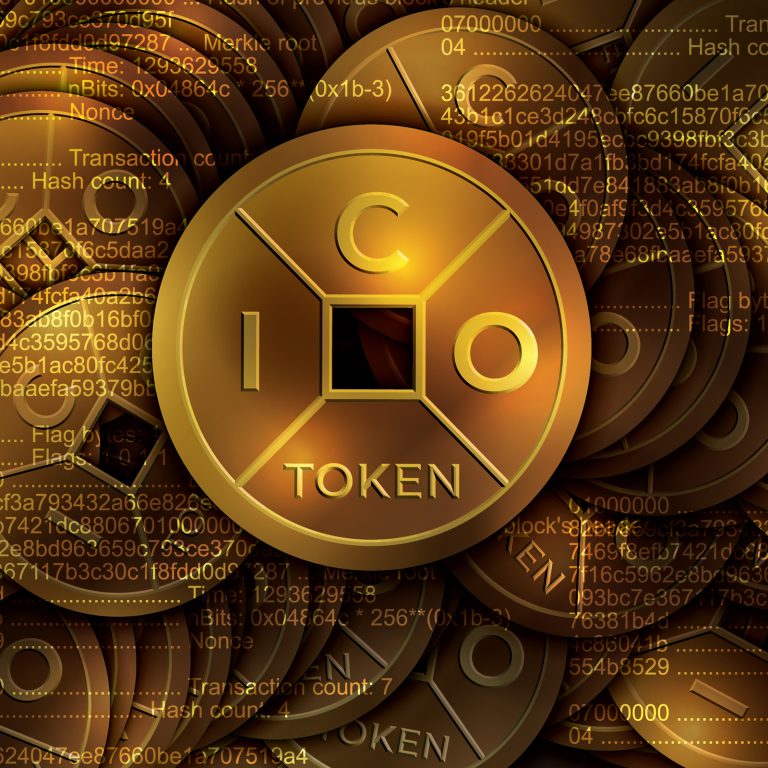
Over the past few years since the launch of the Ethereum network and other blockchains that can create tokens, initial coin offerings (ICOs) have been all the rage as all of these token projects have raised billions of dollars in ether, bitcoin, and other cryptocurrencies. A great majority of the ICOs today are ‘ERC-20 tokens’ created by the Ethereum Virtual Machine (EVM) with no more than a few hundred lines of code. Unfortunately, there’s a big misconception that a bunch of nerdy geniuses created these blockchain-based tokens, and today we’re going to show you just how easy it is to create an ERC-20 token — In less than thirty minutes.
Also read:
Posternut (PNT): The ERC-20 Token Created in Less Than 30 Minutes
Today we decided to create a contract using the programming language Solidity, in order to create a custom token using the Ethereum network. We want to demonstrate just how easy it is for anyone with very little coding knowledge to launch a coin. There are lots of ICOs out there in the crypto-space and a great majority of them are ERC-20s derived from the public Ethereum blockchain. Essentially an ERC-20 token is a contract written in Solidity that sets the parameters of the coins attributes, like where the tokens are stored, the token’s name, ticker symbol, supply, and more.
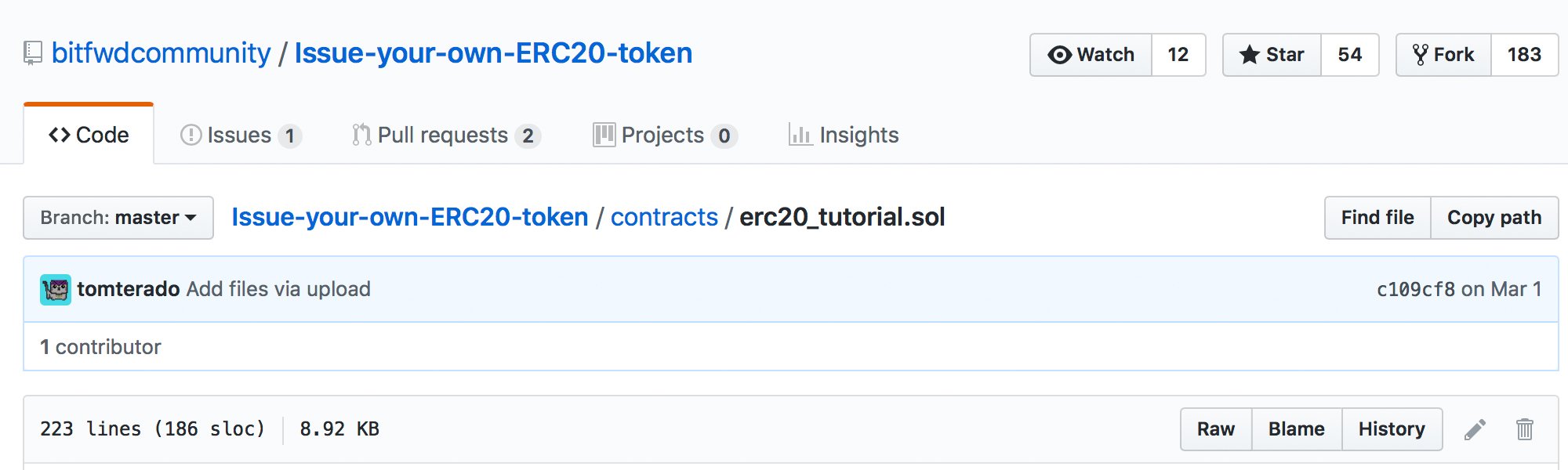 We used this code here found in the written by Moritz Neto and the code was developed by an Ethereum developer called ‘BokkyPooBah.’
The Necessary Requirements
Finding out how to create a token only takes a minute with a quick Google search on the subject. We followed a short written by Moritz Neto, and watched a filmed by the Youtuber Ivan on Tech. Both instructions detailed the creation of an ERC-20 token that can be done in less than 20 minutes, and we created a token called ‘Posternut (PTN) in 25 minutes. In light of our first time creating a Solidity contract, we used ETH testnet tokens on the so no real funds were lost.
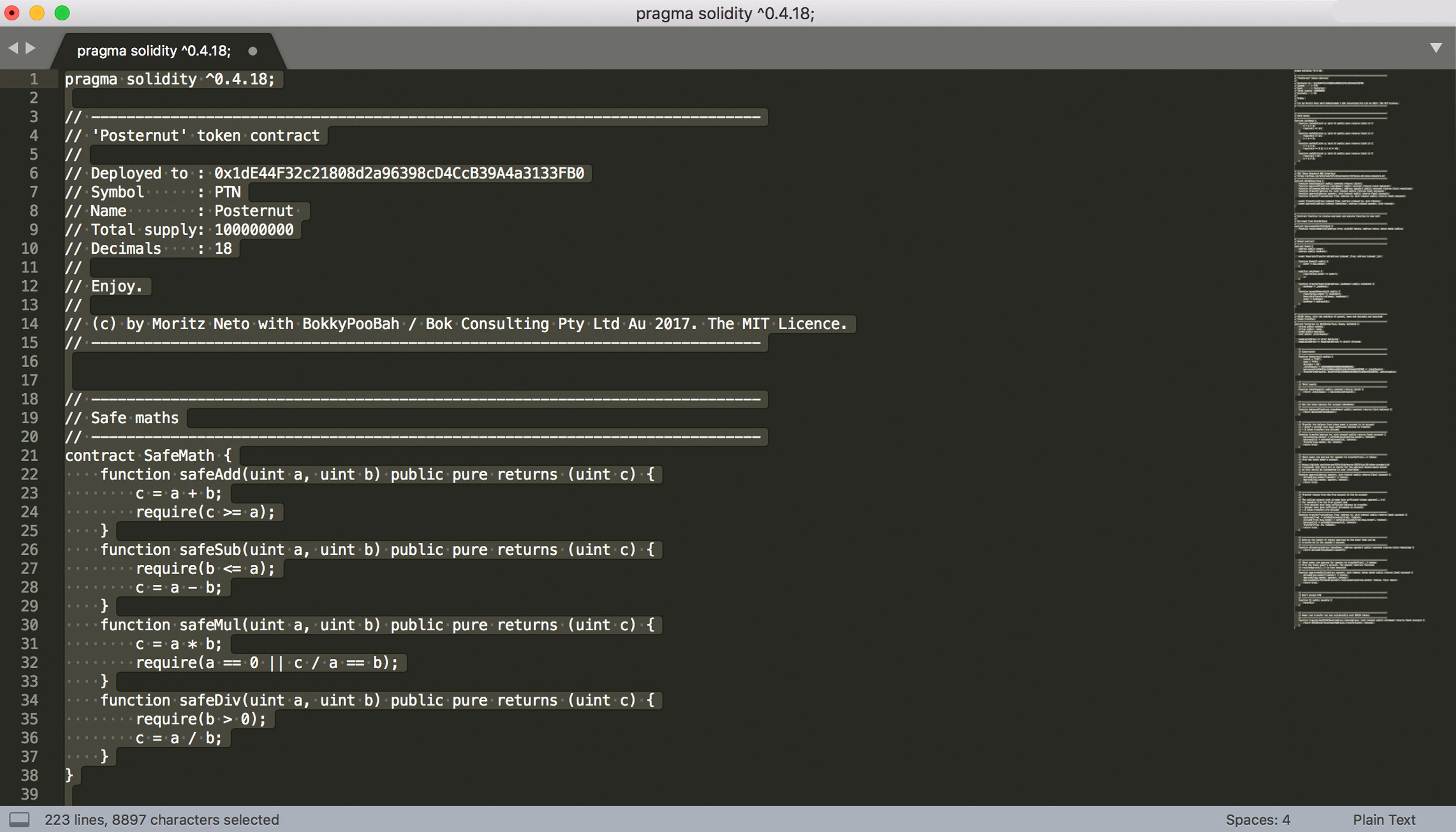 Using a text editor to modify the copied Solidity code is helpful as you can find the lines of code that need to be updated more easily. The max supply, token name, address output, and token symbol are just some of the things you can change within the code.
Next, we decided to download the Ether wallet, a fairly smooth platform but still in beta. Other wallets can be used to create a token contract as well, like and the (MEW) platform. You are also going to need some testnet ETH for the ‘gas’ (network fee) to create the contract on the Ropsten Network, and there are a bunch of Ropsten faucets that dispense testnet ETH. We stocked up on some coins and then found a which we got in Moritz Neto’s guide, but there are all types of solidity contracts that can be re-written. Basically, we left this page open in the browser to copy and paste the Solidity contract, and all that is needed next is some slight modifications.
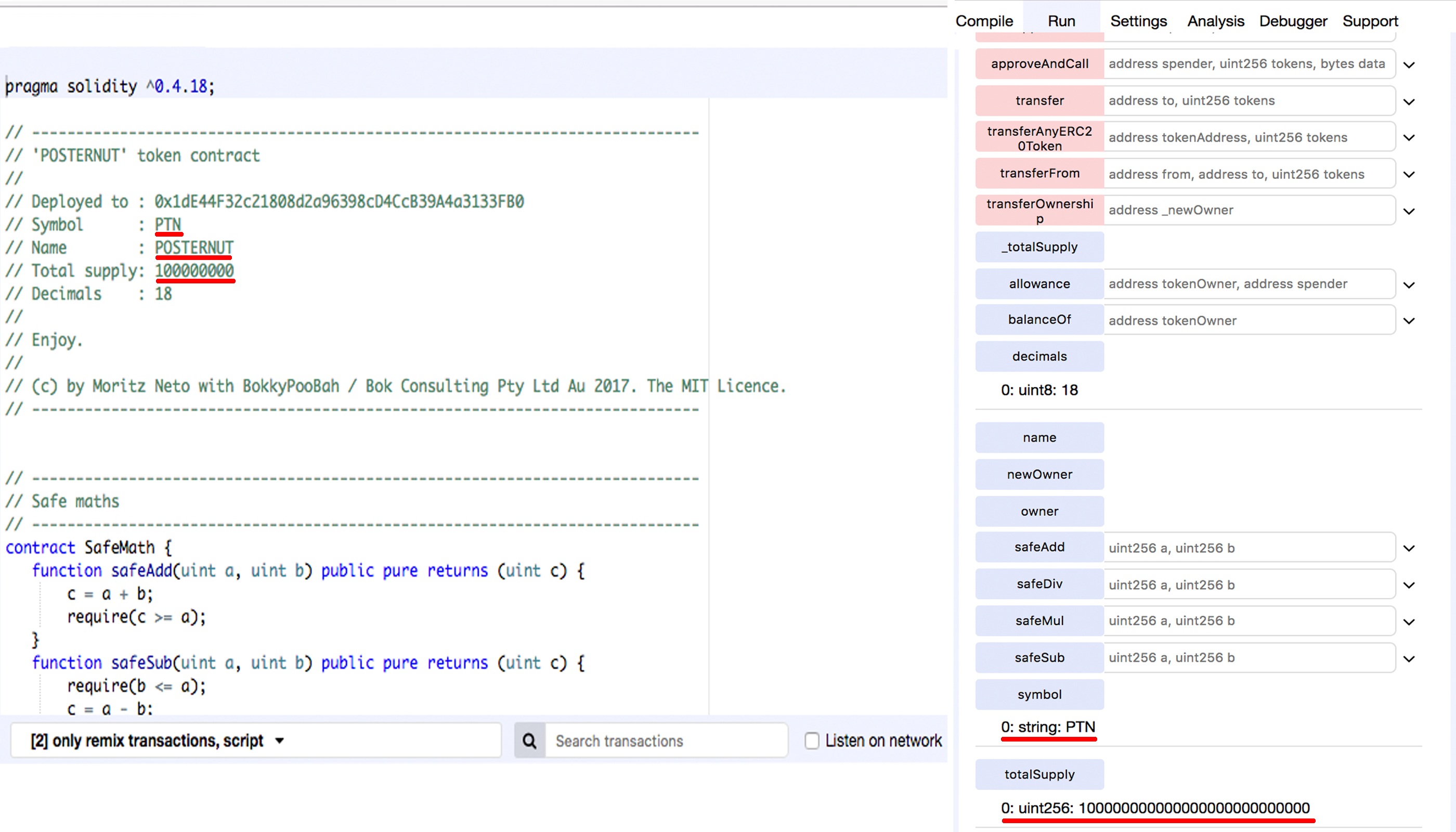 Using Remix to set the parameters of the code, double check it and deploy on the Ethereum Ropsten Network. This entire process can also be done on the ETH mainnet with real funds.
Then we went to a website called which is used to launch the contract. This process can also be processed on the aforementioned wallets above as well, but we used the Remix Solidity IDE platform. After copying a token contract you need to paste the code into the Remix platform and edit a few parameters. This is when you want to choose the tokens name, the token’s symbol, the max supply, and the Ethereum address to deposit the tokens. After all of that is chosen and changed within the copy and pasted code, the next option is to ‘run’ the codebase you edited. If there are any warnings that are ‘critical’ the Remix platform will tell you something is wrong. In the ‘run’ section choose ‘Injected Web (Ropsten)’ and the name of your contract.
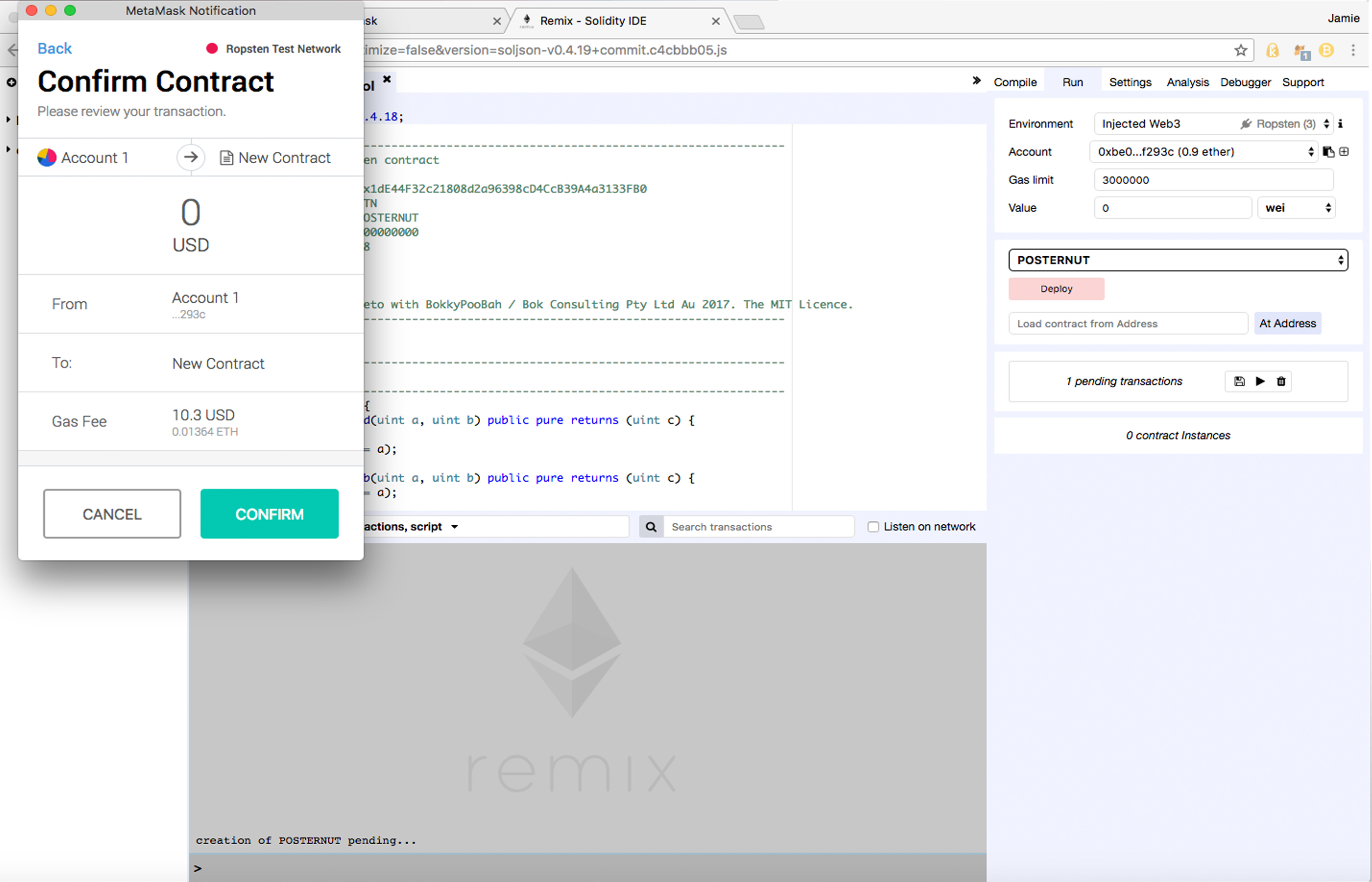 Deploying the contract and confirming it using Remix and Metamask. After this step simply wait for an error or wait for the transaction to confirm and when it does your token will be complete.
From here the Metamask address is also tethered to our account and we simply pressed deploy. If something is wrong with the contract then it will display warnings in yellow or red and you may need to fix these issues before deploying the code to the Ropsten Network. After pressing ‘deploy,’ the transaction will be sent across the network. As soon as the transaction confirms the contract should be complete as long as there were no errors.
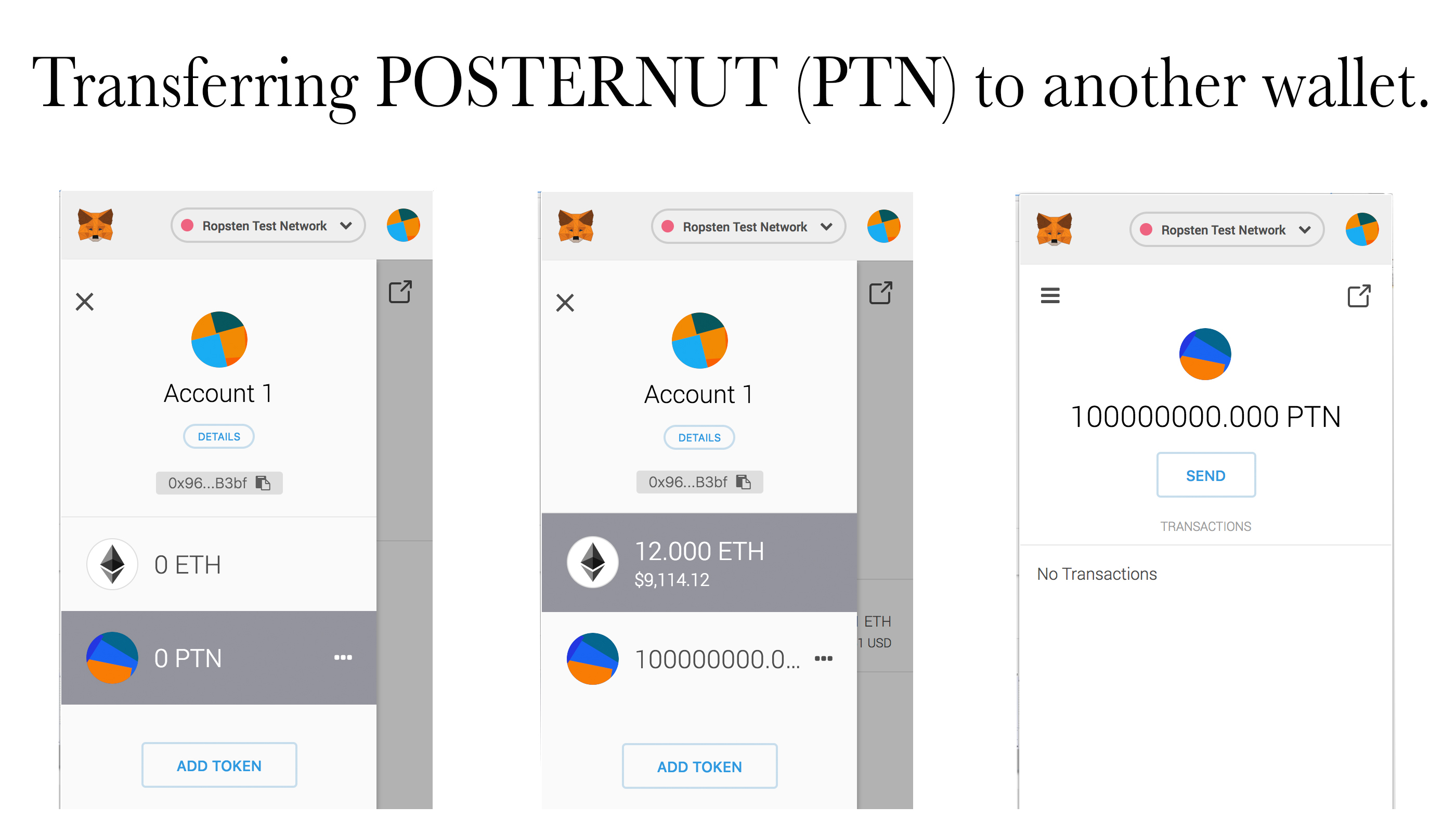 After was created we then sent the newly minted coins to another Metamask wallet address.
Things Needed to Deploy a Token Contract on the ETH Network in Thirty Minutes:
An Ethereum wallet. (Mist, MEW, Metamask)
Testnet Ethereum or real ETH can be used for gas.
.
A platform to deploy the contract either on testnet (Ropsten, Rinkby) or mainnet. (Remix, MEW, Mist)
The Simplicity of Launching an ICO
The name of our token is called ‘Posternut (PNT)’ and there are now in existence on the Ropsten network. Creating the token took only 25 minutes and the same thing can be done on the main Ethereum network with less than $20 USD worth of real mainnet ETH for gas. Most of the time-consuming parts of the process is basically studying the directions on how to create an ERC-20 token, and following each step. After creating the Posternut tokens we decided to send the 100Mn PTN to another address which was sent with no issues.
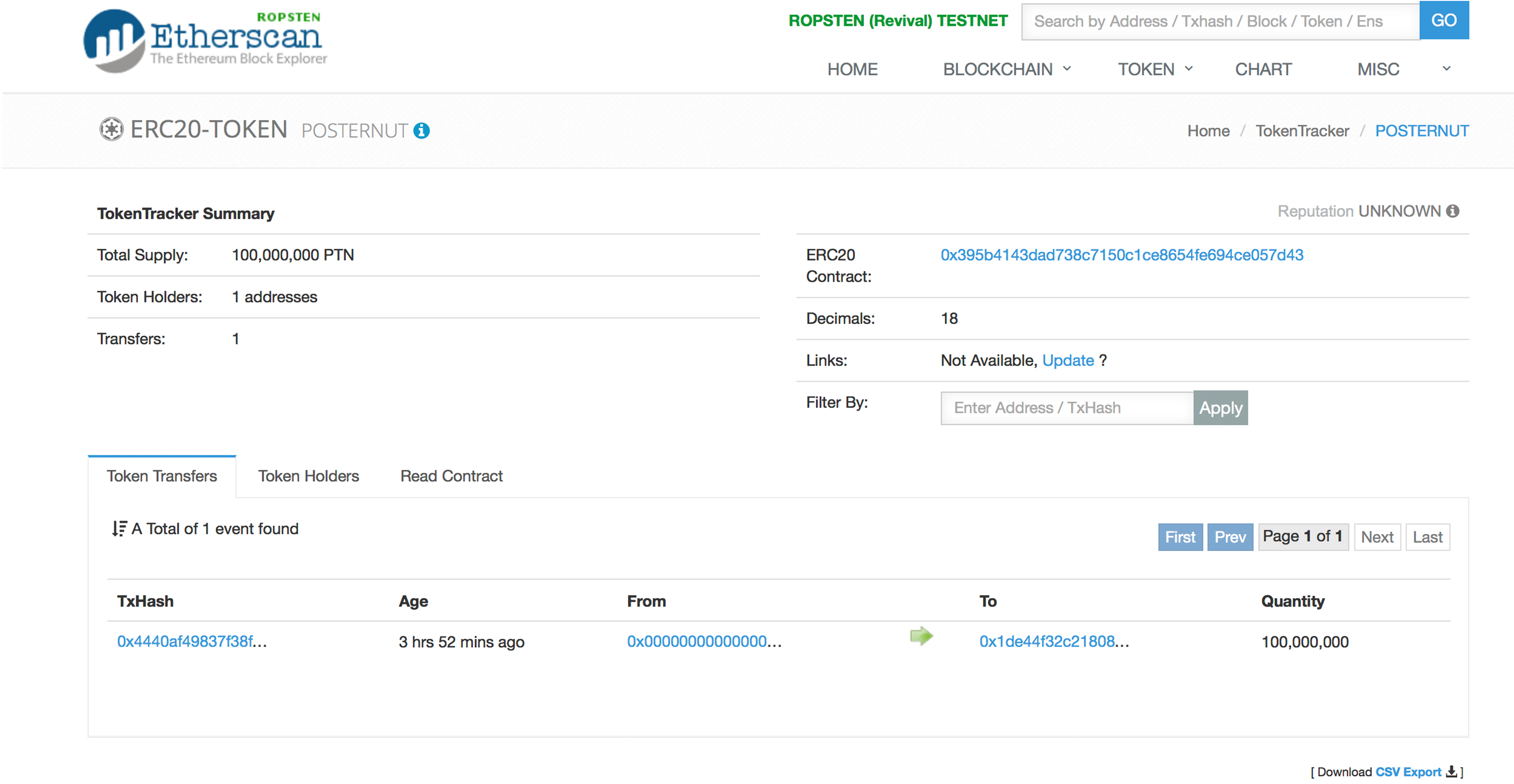 by Jamie Redman.
As we stated above, it doesn’t take a genius to build an ERC-20 contract and now that you have seen the different Solidity contracts that make this process work, you can also see if an ICO project used this same method. Simply look at the contract code to see if it resembles something copied from another project, as you’d be surprised to find quite a bit of them. After creating the Posternut tokens there are only a few other things needed to launch an ICO. Observers will find that all a team needs to push a project, is a website, and a white paper. We all know that these ICOs raise a lot of money as token sales have raised over alone, and continue to raise funds this year. If all it takes is a website, 25 minutes of coding, and a white paper this may be why over .
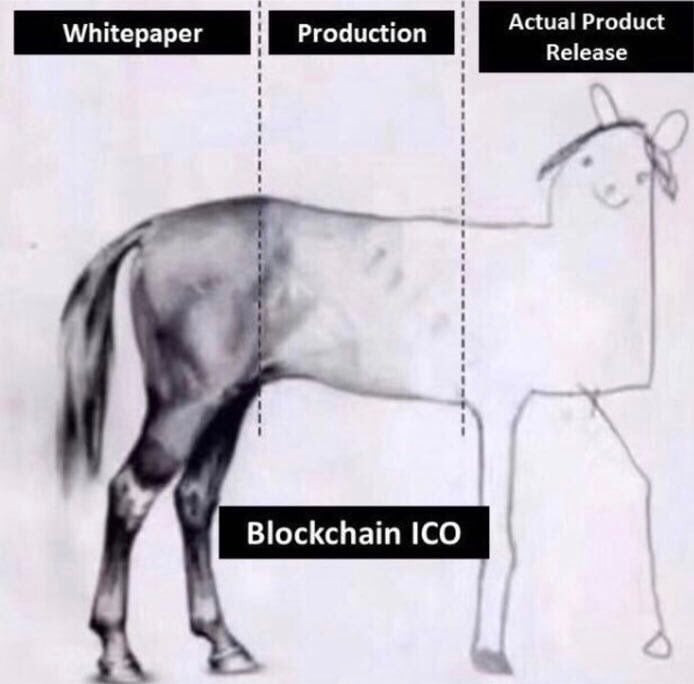
Before Investing in Token Sales, Do Yourself a Favor and Research These Projects
So before investing in an ICO do some research on the project and make sure it is not some ‘fly by night’ guy who coded a coin in less than thirty minutes. The fact is just because a person(s) can build an ERC-20 token doesn’t mean the project is worthy, and investors should diligently research ICO teams and the tokens they are selling. Otherwise, you could be purchasing a quickly made coin, and buying into a written to make you believe Posternut (PTN) tokens are the future of decentralization.
What do you think about launching an ERC-20 in less than thirty minutes? Let us know in the comments below.
Disclaimer: Walkthrough editorials are intended for informational purposes only. This is a guide using testnet coins as real funds could be lost experimenting with this method. There are multiple security risks and methods that are ultimately made by the decisions of the user. There are various steps mentioned in reviews and guides and some of them are optional. Neither bitcoin.com nor the author is responsible for any loss of funds, mistakes, skipped steps or security measures not taken, as the ultimate decision-making process to do any of these things is solely the reader’s responsibility. For good measure always cross-reference guides with other walkthroughs found online.
Images via Shutterstock, , and Jamie Redman.
Want to create your own secure cold storage paper wallet? Check our section.
The post appeared first on .

![Re: [ann] iconomi - digital assets management platform](https://ohiobitcoin.com/wp-content/uploads/2017/03/EsLlhO.jpg "Re: [ann] iconomi - digital assets management platform")
