
Last week, Malaysia’s new Anti-Money Laundering and Counter Financing of Terrorism (AML/CFT) policy guidelines specifically addressing cryptocurrencies came into effect. The new regulations compel Malaysian virtual currency exchanges to mandate KYC adherence, including the collection of ID documentation.
Also Read:
New Malaysian AML/CFT Guidelines for Cryptocurrencies Aim to “Increase […] Transparency”
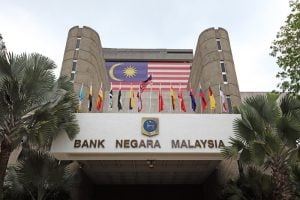 Bank Negara Malaysia’s stated policy is to “ensure that effective measures are in place against money laundering and terrorism financing risks associated with the use of digital currencies,” in addition to “increas[ing] the transparency of digital currency activities in Malaysia.”
The new assert that “Promoting greater transparency in the use of digital currencies serves to protect the integrity of the financial system and strengthen incentives to prevent their abuse for illegal activities”
The legislation came into effect on February 27th, with Bank Negara Malaysia stating that it “[took] into account feedback received during the public consultation period on the exposure draft released on 14 December 2017.” The bank added that the feedback it received “mainly focused on the obligations imposed on digital currency exchangers, including businesses providing intermediary services involving cryptocurrencies.”
Malaysian Cryptocurrency Exchanges to Implement KYC Requirements
 The policy document states that Malaysian cryptocurrency exchanges “are required to conduct customer due diligence on all customers and the persons conducting the transaction when the reporting institution establishes business relationship with customer and when the reporting institutions have any suspicion of money laundering or terrorism financing.”
The regulations mandate that Malaysian virtual currency exchanges collect the full name, address, and date of birth of all customers, in addition to ID documentation. The policy document also states that “any person offering services to exchange digital currencies either from or to fiat money, or from or to another digital currency is subject to obligations under the Anti-Money Laundering, Anti-Terrorism Financing and Proceeds of Unlawful Activities Act 2001″.
Bank Negara Malaysia reaffirmed that virtual currencies are not recognized as legal tender in Malaysia. As such, the bank stated that “digital currency businesses are not covered by prudential and market conduct standards […] applicable to financial institutions regulated by” Bank Negara Malaysia.
Do you think that governments will be successful in attempting to increase the “transparency” of the cryptocurrency economy? Share your thoughts in the comments section below!
Images courtesy of Shutterstock
At news.bitcoin.com all comments containing links are automatically held up for moderation in the Disqus system. That means an editor has to take a look at the comment to approve it. This is due to the many, repetitive, spam and scam links people post under our articles. We do not censor any comment content based on politics or personal opinions. So, please be patient. Your comment will be published.
The post appeared first on .
