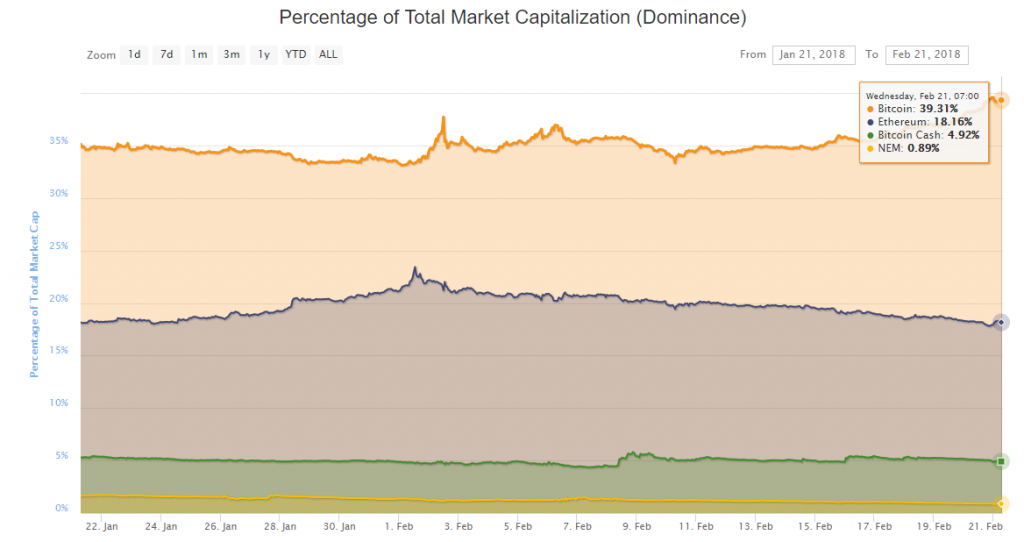
The crypto space often feels like navigating through tumultuous waters, but seasoned traders know better. Accomplished navigation starts with understanding the market cycles, the predictable patterns that govern bitcoin’s price. These cycles are like the seasons, repeating with each meaningful price movement.
A key strategy for staying afloat is to develop a well-rounded portfolio diversification strategy. This means not just looking at bitcoin, but also other cryptocurrencies and conventional assets to spread out risk. Another crucial approach is to focus on long-term trends rather than short-term fluctuations. When bitcoin dips, it’s easy to get caught up in the panic, but the best traders maintain a clear outlook. They know that volatility is a feature, not a bug, of the marketand they use downturns as opportunities to buy at discounted rates. Diversification,paired with a contrarian mindset,can be incredibly effective during volatile periods.
To help manage this volatility, it’s crucial to establish clear risk management guidelines. This means setting stop-loss orders, understanding your risk toleranceand adhering to it strictly. A disciplined approach helps prevent emotional decision-making during market downturns. Such as, you might set a rule that you only sell your crypto holdings if your account value falls below a certain percentage threshold.
| Strategy | Advantages |
|---|---|
| Diversification | Reduces risk by spreading investments across different assets. |
| Long-Term Focus | Allows for buying during bear markets and selling during bull markets. |
| Risk Management | Helps prevent panic selling and maintains discipline during market volatility. |
Lessons From Historical bitcoin Market Cycles
Historical market cycles in the world of bitcoin serve as a rich tapestry of lessons and insights for investors and enthusiasts alike. These cycles,repeating themselves with each significant price movement,are marked by distinctive behaviors and trends. For instance, during a bull market, bitcoin often sees a surge in adoption and speculation, with the narrative around technological innovation and store of value propelling prices higher. Conversely, a bear market is characterized by uncertainty, consolidationand often a revaluation of the underlying fundamentals.
One of the key lessons from these cycles is the importance of patience and discipline. bitcoin’s meteoric price increases and subsequent crashes have a way of testing the resolve of even the most seasoned investors. For example,the surge in value during the 2017 bull market was followed by a significant cooldown lasting well into 2019. It’s crucial to remember that price swings are a natural part of the process and that long-term investing in bitcoin often means riding out the dips patiently. This is not to say that investors should ignore bear markets entirely but rather that understanding them can help in making more informed decisions.
Another critical lesson is the impact of external factors on the market. These can range from regulatory decisions to macroeconomic trends. For instance, when China clamped down on bitcoin mining and trading in 2021, the repercussions were felt globally.Such events can significantly reshape the narrative around bitcoin, influencing investor sentiment and market prices. Moreover, it emphasizes the need for a diversified approach and a deep understanding of how various sectors and regions interact with bitcoin. This awareness allows for more strategic positioning during different phases of the market cycle.
| Cycle | Price Peak | Key Event |
|---|---|---|
| Bull Market 2017 | $19,783 | ICO mania and institutional adoption |
| Bear Market 2018-2019 | $3,200 | Regulatory crackdowns and market fatigue |
| Bull Market 2020-2021 | $64,863 | bitcoin as a macro-risk hedge |
Building A Resilient Portfolio In The Cryptocurrency Landscape
Building a resilient portfolio in the cryptocurrency landscape requires a deep understanding of market dynamics and a strategic approach to investment. Unlike traditional markets, the cryptocurrency space is highly volatile, influenced by a myriad of factors including speculation, regulatory movesand technological advancements. A good strategy involves diversification,not just across different cryptocurrencies but also across various asset classes. Diversification helps in mitigating risks and capitalizing on varied market opportunities.
One effective way to start building a resilient portfolio is by integrating stablecoins into your asset mix. Stablecoins are designed to maintain a stable value, frequently enough pegged to the US dollar or other fiat currencies, making them a reliable store of value and a safe haven during market downturns. Table 1 below compares three popular stablecoins, each with unique features and suitability for different investment strategies.
| Stablecoin | Pegging Currency | Custodian | Use Cases |
|---|---|---|---|
| Tether (USDT) | US Dollar | Trust | Transaction settlement, saving |
| USD Coin (USDC) | US Dollar | Custodian-based | Lending, trading |
| Paxos Standard (PAX) | US Dollar | Custodian-based | Trading, lending |
Another critical aspect of building a resilient portfolio is to keep a close eye on the macroeconomic environment. Economic indicators like inflation rates, interest ratesand central bank policies can significantly impact the cryptocurrency markets. As an example, periods of high inflation and economic uncertainty frequently enough fuel demand for cryptocurrencies seen as inflation hedges. However, during times of market correction, an understanding of these underlying factors can guide investment decisions, helping to reduce exposure to unnecessary risk.
Lastly, engaging with the community and staying informed through reliable sources can be invaluable in navigating the cryptocurrency market. Participating in forums, subredditsand social media groups can provide insights into market trends, new projectsand emerging technologies. Though, it’s crucial to separate the wheat from the chaff, as misinformation can be rampant in such environments.