April 30, 2026

Capitalizations Index – B ∞/21M

Mongolia Will See At Least 1000 New Bitcoin Miners In 2019

Mongolia will see at least 1000 new bitcoin miners in 2019

Mongolia Will See At Least 1000 New Bitcoin Miners In 2019

Mongolia will see at least 1000 new bitcoin miners in 2019

Participants in Mongolia’s bitcoin mining industry plan to significantly expand the scope of their operations, local media report January 11.


Japan’s Ginco Doubles Down On Mongolia

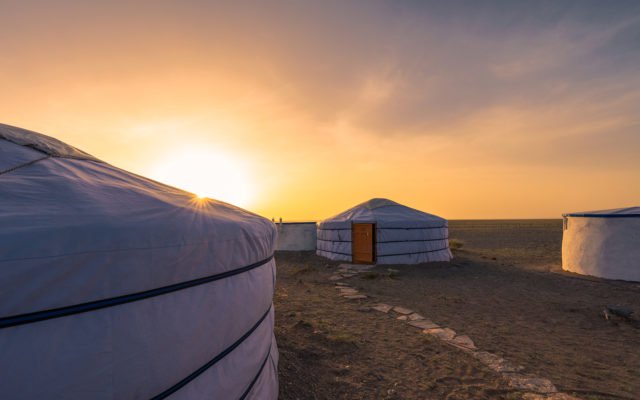
The East Asian country, known for its cheap electricity and being home to the world’s northernmost desert, will see one of its miners almost treble in size this year alone, despite the ongoing bitcoin bear market.

“The business environment is increasingly harsh, but we can still produce a profit,” Yuma Furubayashi, CEO of Ginco  Mongol told Nikkei Asian Review.

Ginco is originally from Japan, where is offers cryptocurrency wallets, but operates two mining facilities in the Mongolian capital Ulaanbaatar.

As bitcoin 00 dropped in value over 2018, miners have felt the pinch, with a lower price impacting on the profitability of minting new coins, though mining difficulty has adjusted since.

As Bitcoinist reported, China bore the brunt of the downturn, images appearing on social media of vast numbers of mining rigs being dumped due to being too expensive to keep running.

Bitmain, the Chinese giant which has traditionally held a monopoly over the market, has sparked multiple rumors about its debts, senior management reshuffles and plans to fire up to half its 2500 workers.
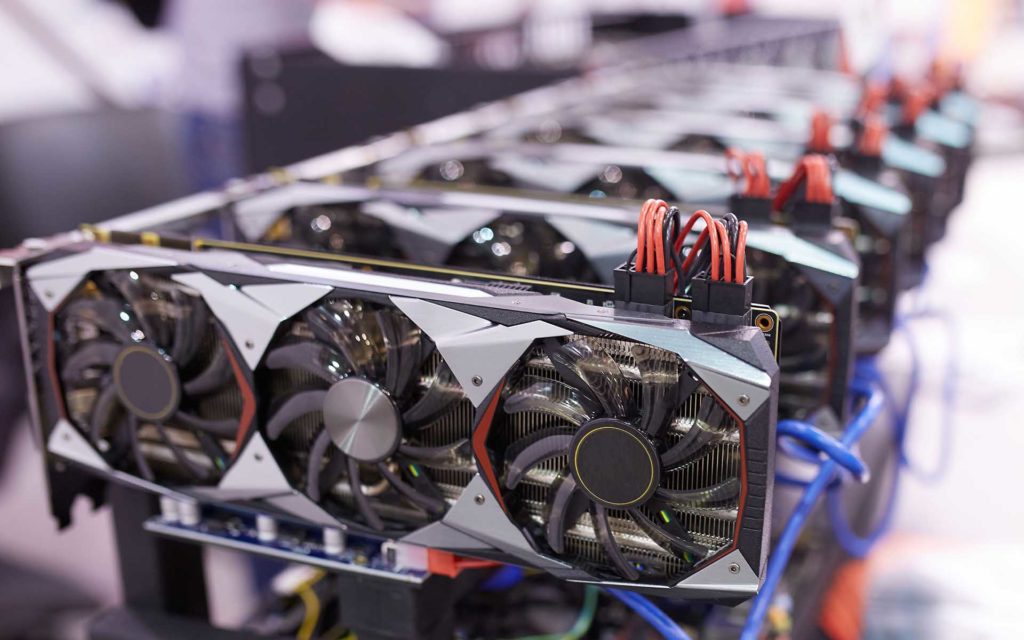
A washington county is taking steps to halt illegal cryptocurrency mining

Bear Market Bulls

When raw materials need to be as cheap as possible, it is thus countries like Mongolia that are set to profit.

Although it only started in October, Ginco Mongol plans to increase the number of units it has dedicated to bitcoin mining from 600 to 1600 by the end of the year. In an interview prior to the launch, Yuma also revealed ideas for spin-off projects, including miner repair services.

With the legal situation regarding mining also a gray area in China, it is little surprise that the bitcoin industry is spreading more evenly across multiple countries worldwide. Increasingly, it is eco-friendly schemes in places as varied as Spain and Canada which plan to contribute to the market.

However, in future, the world’s bitcoin mining crown will likely belong to Paraguay, the country’s government signing off on plans to build the largest mining farm on the planet under a project dubbed the ‘Golden Goose.’

What do you think about Mongolia’s bitcoin mining expansion? Let us know in the comments below!


Images courtesy of Shutterstock

The post Mongolia Will See At Least 1000 New Bitcoin Miners In 2019 appeared first on Bitcoinist.com.

source: https://bitcoinist.com/mongolia-1000-bitcoin-miners-2019/

Published at Sat, 12 Jan 2019 02:00:53 +0000

Previous Article

BITCOIN – AFTER SUDDENLY ACCIDENT

Next Article

An Ethereum Platform For Decentralized Autonomous Organizations, Jack du Rose, Colony

You might be interested in …

Bitcoin bull flag w/ ema cross imminent

Bitcoin Bull Flag w/ EMA Cross Imminent

bitcoin Bull Flag w/ EMA Cross Imminent EN English (UK) EN English (IN) DE Deutsch FR Français ES Español IT Italiano PL Polski SV Svenska TR Türkçe RU Русский PT Português ID Bahasa Indonesia MS […]

Bitkan Experiment Shows Japan is No Bitcoin Mecca on the Ground

Bitkan has said the consumer bitcoin scene in Japan is still “difficult to use” after staff conducted an investigation in Tokyo.


Bitkan: Japan bitcoin Payments Still ‘Difficult’

The decentralized trading platform, which is headquartered in China but looking to expand into the Japanese market, also released a documentary film about using bitcoin in the country in 2017.

Last month, Bitkan organized a Tokyo Bitcoin meetup which saw some of the largest ever audiences debate the local scene as well as current technological issues facing the bitcoin ecosystem. Roger Ver and Jihan Wu were among the attendees.

“We used Coinmap to search advertisements of businesses accepting bitcoin,” operations director Sandy Liang told Bitcoinist in emailed comments about the research.

“These places had a ‘bitcoin accepted’ sticker, and where it was possible to use it to pay, staff appeared familiar with the payment process.”

bitcoin’s Mixed Fortunes Evident In Payment Landscape

Japan hit the headlines in February following the temporary moratorium on Chinese bitcoin trading, becoming the world’s largest bitcoin exchange market.

As reports heralded a total of 4500 outlets accepting the virtual currency, reactions from users on the ground struck a decidedly different note, stating that in reality bitcoin payments were almost unnoticeable.

Liang shared this view following Bitkan marketing director Ruby Chen’s attempt to live off Bitcoin for 72 hours in Tokyo but remained positive about the future.

“We have to say that it’s not very convenient to use bitcoin in Tokyo for covering all expenses, compared with fiat. For now, it’s really hard to live only on bitcoin,” she said.

“However, it’s getting easier and easier. The growing number of bitcoin ATMs, for instance, allows the option of converting BTC to yen as an alternative.”

She added that the depth of incentives for consumers to pay using the virtual currency was also lacking. Discounts and other marketing schemes were not in evidence at all, making the idea of transitioning to a notionally more convenient, empowering payment method appear daunting.

Big Business Paving Way For Change

Meanwhile, the country’s cryptocurrency exchanges are busy laying the foundations for what could be a seismic shift in attitudes in the coming years.

BitFlyer and Coincheck, both major market players in Japan, have recently announced partnerships with big business specifically with the aim of expanding the number of merchants with whom consumers may pay using bitcoin.

The former is working with Japanese economics giant Bic Camera to roll out bitcoin payments across its empire, with a trial initially limited to two flagship stores in Tokyo. Customers are able to pay up to 10,000 yen ($900) in bitcoin.

Coincheck meanwhile is seeking to expand the merchant base even further – by up to 260,000 – through allowing merchants using PoS app AirRegi to also accept bitcoin.

Such an expansion would place bitcoin on par with extant fiat payment app acceptance numbers, the most popular being Suica and Edy with up to 470,000 locations.

[Note: This is a sponsored article]

What do you think about Japan’s bitcoin journey? Let us know in the comments below!


Images courtesy of Shutterstock. BitKan

The post Bitkan Experiment Shows Japan is No Bitcoin Mecca on the Ground appeared first on Bitcoinist.com.