Japan’s top financial regulator has clarified to news.bitcoin.com its stance on bitcoin $BTC BTC [BTC] exchange-traded funds (ETFs), cryptocurrency derivatives, and upcoming regulatory changes. This follows reports that the agency may be considering approving an ETF that tracks cryptocurrencies.
Also read:
bitcoin ETFs and Derivatives
Following recent claiming that Japan’s Financial Services Agency (FSA) may be considering approving one or more bitcoin $BTC BTC [BTC] ETFs, news.bitcoin.com asked the country’s top financial regulator to confirm its plan regarding this type of investment instrument.
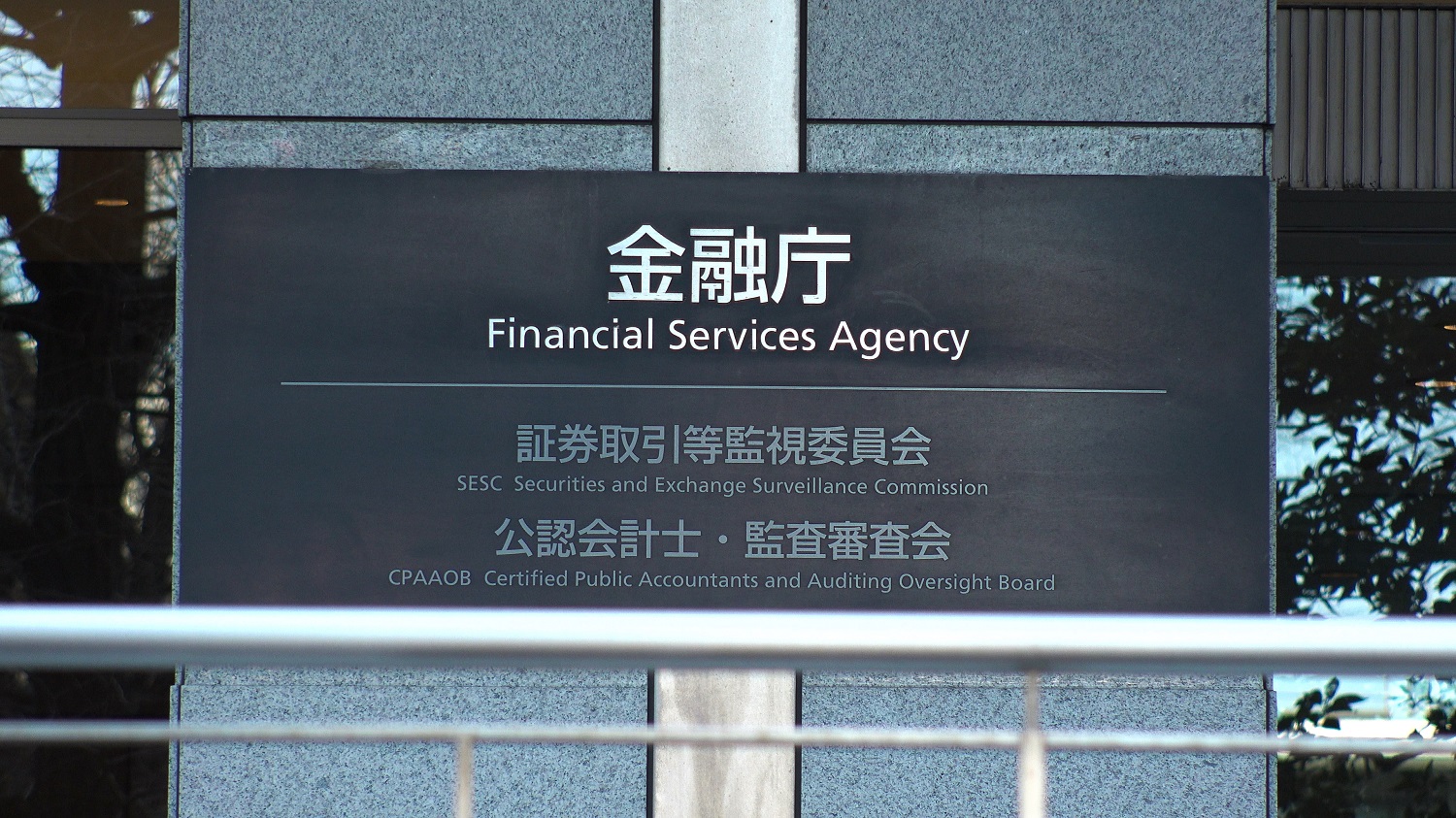
A spokesperson for the agency clarified on Friday:
There is no such fact that we are considering approving ETFs which track crypto-assets at present … we are not currently considering approving them.
The FSA also confirmed its position on cryptocurrency derivatives. Regarding “the listing of bitcoin $BTC BTC [BTC] futures on the financial instruments market,” the regulator said, “We are not considering that at present.”
The agency explained its reasoning to news.bitcoin.com, stating that based on findings of the Study Group on the Virtual Currency Exchange Services:
Taken it into consideration that it is difficult for us to find constructive and social significance of trading crypto-assets derivatives at present, we think that there is no need for trading crypto-assets derivatives at financial instruments exchanges where many market participants are able to trade.
New Regulatory Direction
The FSA has recently published newly-proposed rules for crypto operators based on discussions and conclusions from 11 study group meetings. Self-regulation will play a major part in the ecosystem. In October, the agency the Japan Virtual Currency Exchange Association (Jvcea) as a self-regulatory organization (SRO).
The association is expected to “perform self-regulatory functions in a flexible manner, considering issues we have identified so far,” the agency told news.bitcoin.com.
The FSA proceeded to outline the issues it expects the SRO to focus on. They are “insufficient risk assessment of crypto assets to be handled, inappropriate sales of crypto assets issued by providers themselves, excessive advertisement, over-emphasis on profit generation, no check and balance by directors and auditors, no internal audit, insufficient internal management control, insufficient AML/CFT measures and segregation of customer asset, and reluctance to disclose corporate information.”

ICO Regulation Coming Soon
When Japan legalized cryptocurrencies as a means of payment in April 2017, initial coin offerings (ICOs) and their tokens were not included. However, with the growing interest in token sales as a fundraising method, the FSA has turned its attention to the matter. The agency recently published a document outlining key areas which will be addressed in upcoming regulations.
The FSA will focus on “investment-type ICOs” and will “clarify that soliciting investments by funding virtual currency is subject to financial regulations,” the document reads.
 Specifically, “When soliciting 50 or more investors,” the agency plans to “require the issuer to provide public disclosure initially and subsequently.”
Brokers and dealers of investment-type ICOs will be regulated “on the same level as securities firms.” They will be required to “examine the business and financial conditions of the issuer.” Furthermore, both the current “unfair trading regulations” and rules to prevent insider trading will apply. There will also be restrictions on “solicitation to retail investors in the same manner as the restriction on unlisted stocks.” For other types of ICOs, the FSA plans to require crypto exchanges that deal with them “to provide information including the feasibility of the project.”
What do you think of Japan’s approach to cryptocurrency regulation? Let us know in the comments section below.
Images courtesy of Shutterstock.
Need to calculate your bitcoin $BTC BTC [BTC] holdings? Check our section.
The post appeared first on .

is author of this content, TheBitcoinNews.com is is not responsible for the content of external sites.
source:
Published at Sun, 13 Jan 2019 06:15:29 +0000

