September 11, 2026

Capitalizations Index – B ∞/21M

Japan Wants to Stop Cryptocurrency Criminal Activities With Credit Evaluation

Japan wants to stop cryptocurrency criminal activities with credit evaluation

Japan Wants to Stop Cryptocurrency Criminal Activities With Credit Evaluation


Japan wants to stop cryptocurrency criminal activities with credit evaluation
Advertisement

This week, after disclosing its plans to crackdown on anonymous cryptocurrencies Zcash, Dash, and Monero, the government of Japan has said that major credit agencies will evaluate cryptocurrency users to prevent the utilization of digital assets in laundering money generated from illicit operations.

Suspicious Users Will be Investigated

Credit agencies, information security research firms, and Japan Credit Information Service will cooperate with the government to investigate suspicious cryptocurrency trading accounts and individuals that trade unusually large amounts of digital assets beginning in a few weeks.

The decision of local authorities to strictly oversee the local cryptocurrency exchange market and closely monitor large transactions was triggered by a series of reports that have come out in the past few months that have claimed the Yakuza, the biggest criminal syndicate in the country, is using cryptocurrencies to launder hundreds of millions of dollars regularly.

More to that, the Japanese authorities have also said that individuals that are suspected to be connected to terrorist organizations and criminal organizations based on their social media presence and credit scores will also be target of scrutiny, and accounts on cryptocurrency exchanges owned by suspicious individuals will be extensively evaluated by four credit agencies as well as local financial authorities.

Yizumi Nobuhiko, the chairman of Japan Credit Information Service, has said according to NHK:

“By providing the personal information of suspicious individuals including credit scores and financial data, the government hopes to protect investors and improve the security of the cryptocurrency industry.”

However, to prevent the leak of personal information, the four credit agencies will not provide sensitive financial and personal data unless local financial authorities have reasonable basis to suspect certain individuals and entities to be involved in a money laundering scheme or a crime syndicate.

Cryptocurrency Market Restructuring Ongoing

As CCN reported on June 22, the Japanese government has ordered six (out of sixteen) exchanges licensed by the Japan Financial Services Agency (FSA) to overhaul their Anti-Money Laundering (AML) and Know Your Customer (KYC) system.

An investigation by the FSA discovered that major exchanges like bitFlyer, the country’s most widely utilized cryptocurrency exchange, had flaws in their AML and KYC systems that are not sufficient to prevent money laundering.

Consequent to the request of the government, Japanese exchanges including bitFlyer stopped registering new users and started to fix its internal management system.

Brian Kelly, the founder of cryptocurrency hedge fund BKCM and CNBC Fast Money contributor, said that the initiation of an improvement process of internal management systems by Japanese exchanges will enable the local cryptocurrency market to evolve into a legitimate industry, which will be beneficial in the long run.

“Japanese exchanges were ordered to improve business conditions [by the government]. It’s actually a good thing. Short run it’s going to be a little tough because they’re stopping new accounts from coming in but actually they’re cleaning up the system. They’re making sure it’s more robust. Making sure it’s better for people,” Kelly said.

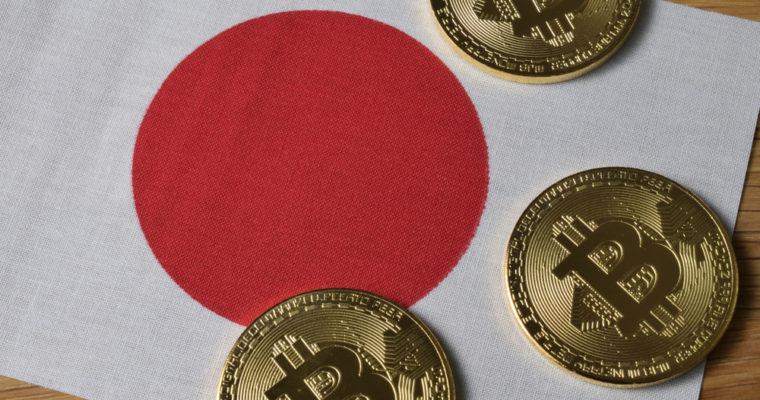
Featured image from Shutterstock.

Follow us on Telegram.
Join CCN’s crypto community for $9.99 per month, click here.
Want exclusive analysis and crypto insights from Hacked.com? Click here.
Open Positions at CCN: Full Time and Part Time Journalists Wanted.
Advertisement

Japan wants to stop cryptocurrency criminal activities with credit evaluation

Published at Mon, 25 Jun 2018 10:44:35 +0000

bitcoin Exchange
Previous Article

Ethereum Blockchain Smart Contract Programming with Solidity beginners course

Next Article

COIN – Heart Eyes (Audio)

You might be interested in …

EOSのコンセンサスアルゴリズムについて – Dappstart –

EOSのコンセンサスアルゴリズムについて – Dappstart – 今回は、EOSホワイトペーパーから<コンセンサスアルゴリズム>について解説していきます。 ___________________________________________________________________ コンセンサスアルゴリズム(BFT-DPOS) EOS.IOソフトウェアは、ブロックチェーンのアプリケーションの処理要件を満たすことができると証明され唯一既知の分散型コンセンサスアルゴリズムであるDelegated Proof of Stake(DPOS)を利用しています。このアルゴリズムでは、EOS.IOソフトウェアを採用しているブロックチェーンにトークンを持っている人は、継続的な承認投票システムを通じてブロックプロデューサーを選べます。誰もが、ブロック生成への参加を選ぶことができ、トークン保有者にブロックプロデューサーとして投票するよう説得することができるならば、ブロックを生成する機会が与えられるでしょう。 EOS.IOソフトウェアを使用すると、ブロックを厳密に0.5秒ごとに作成することができ、1人のプロデューサーが任意の時点でブロックを生成することが許可されます。ブロックが予定された時間に生成されない場合、そのタイムスロットのブロックはスキップされます。 1つ以上のブロックがスキップされると、ブロックチェーンに0.5秒以上のギャップが発生します。 EOS.IOソフトウェアを使用すると、ブロックは126のラウンドで生成されます(各6ブロック、21のプロデューサー)。各ラウンドの開始時に、21人のブロックプロデューサーがEOSトークン保有者からの投票順で選ばれます。選ばれたプロデューサーは、15人以上のプロデューサーによって合意された順序でスケジュールされていきます。 プロデューサーがブロックを見逃し、過去24時間以内にブロックを生成しなかった場合、彼らがブロック生成を再開する意思があることをブロックチェーンに通知するまでブロック生成順としての考慮から除外されます。これにより、信頼性が低いと証明されているプロデューサーをスケジュールせず、見逃すブロック数を最小限に抑えることで、ネットワークが円滑に動作します。 通常の状況下では、DPOSブロックチェーンはフォークが発生しません。なぜならブロックプロデューサーが競合するのではなく、協力してブロックを生成するからです。フォークがある場合だと、コンセンサスは自動的に最長のチェーンに切り替わります。この方法は、ブロックチェーンフォークにブロックが追加される頻度が、同じコンセンサスを共有するブロックプロデューサーの割合と直接的に相関しているために作用します。つまり、プロデューサーの多いブロックチェーンフォークは、プロデューサーの少ないブロックチェーンフォークよりも速く成長します。これは、プロデューサーの多いフォークでは見逃されるブロックが少なくなるためです。 さらに、どのブロック生成者も同時に2つのフォークでブロックを生成するべきではありません。このことが見つかったブロックプロデューサーはおそらく投票で退かされるでしょう。そのような二重生成の暗号証拠はまた、悪意を持った人を自動で除外するために使用されるかもしれません。 同じタイムスタンプまたは同じblockheightの2つのブロックに署名しない限り、すべてのブロックプロデューサーがすべてのブロックに署名できるようにすることで、ビザンチン将軍問題が従来のDPOSに追加されます。 15人の生成者がブロックに署名すると、そのブロックは元に戻せないと見なされます。どんなビザンチンの生成者も同じタイムスタンプか同じblockheightの2つのブロックに署名して彼らの不正行為の暗号証拠を生成しなければならないでしょう。このモデルの下では、不可逆性のあるコンセンサスは1秒以内に到達可能であるべきです。 取引確認 一般的なDPOSブロックチェーンには、100%のブロックプロデューサーの参加があります。トランザクションは、ブロードキャストの時点から平均0.25秒後に99.9%の確実性で確認されたと見なすことができます。 DPOSに加えて、EOS.IOは取り消しができないより速い達成のために非同期ビザンチンフォールトトレランス(aBFT)を追加します。 aBFTアルゴリズムは、1秒以内に不可逆な100%の確認を提供しています。 ステークの証拠としてのトランザクション(TaPoS) EOS.IOソフトウェアでは、すべてのトランザクションに新しいブロックヘッダーのハッシュの一部を含める必要があります。このハッシュは2つの目的を果たします。 1.参照されたブロックを含まないフォーク上でのトランザクションの再生を防ぐ。 2.特定のユーザーとそのステークが特定のフォークを使っていることをネットワークに知らせます。 時間が経つにつれて、すべてのユーザーがブロックチェーンを直接確認することになり、偽造チェーンが正規のチェーンからトランザクションを移行できなくなるため、チェーンを偽造することが困難になります。 Consensus Algorithm (BFT-DPOS) EOS.IO software utilizes the […]

How far can the usdjpy (and s&p) drop: goldman’s top chartist explains

How Far Can The USDJPY (And S&P) Drop: Goldman’s Top Chartist Explains

zerohedge.com / by Tyler Durden / Apr 11, 2017 3:17 PM

With today’s capitulation puke in the USDJPY sending the pair tumbling below the key 110 psychological level, the lowest level since November as longs finally threw in the towel, traders are wondering how far can it drop. And since fundamentals have not changed, we seek the answer among the technicals, in this case Goldman’s chartist who this afternoon writes that what has happened in the USDJPY today is a characteristic continuation patterns.

READ MORE

The post How Far Can The USDJPY (And S&P) Drop: Goldman’s Top Chartist Explains appeared first on Silver For The People.