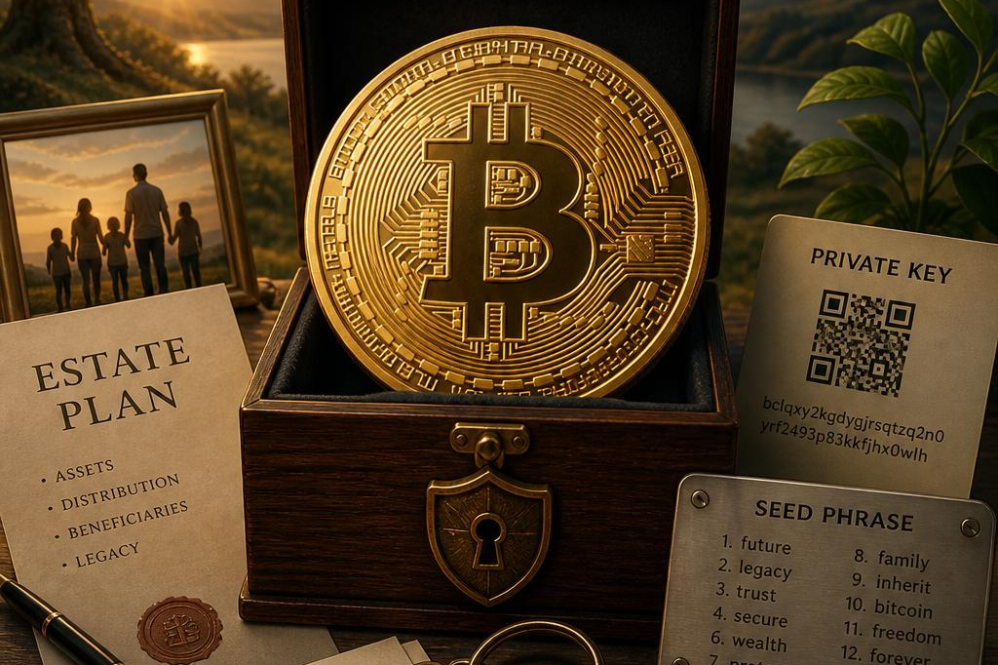
Securing Your Digital Wealth
For maximum security, consider a multi-layered approach that includes both digital and legal strategies. Setting up a digital vault or a password manager specifically tailored for cryptocurrencies is a practical step. These tools often come with features like timed release,which allows access to your keys only after a predetermined period or under specific conditions. Another essential consideration is the designation of a trusted executor or proxy who understands the intricacies of digital assets and cryptocurrencies. They should be given detailed instructions on how to manage and distribute these assets upon your passing. Ensuring that your chosen executor or proxy is aware of the existence of your digital assets and has access to the necessary tools and details is crucial for a smooth transition.
Here’s a simple checklist to help you get started:
| Step | Action |
|---|---|
| Select a reliable digital inheritance service | Choose a platform that fits your needs, offering secure storage and clear distribution instructions. |
| Identify a trusted executor | Designate someone with a clear understanding of digital assets and your wishes for their distribution. |
| Document your assets | Keep a detailed record of all your digital assets, including any accounts, wallets, and keys. |
Taking these steps ensures that your crypto wealth not only remains a valuable asset but also successfully transitions to the next generation, minimizing the risk of loss or confusion.
Crafting a Comprehensive Digital Asset Will
A digital asset will is essential for anyone looking to ensure that their digital assets, such as cryptocurrencies, are managed and distributed according to their wishes after their passing. This includes not just the actual assets themselves but also the private keys and access codes required to claim them. Think of your digital asset will as a digital vault key, which should be securely stored and accessible by trusted individuals.
One of the first steps is to identify and list all relevant digital assets, including cryptocurrencies, NFTsand even digital artwork. It’s crucial to understand the unique characteristics of each asset and how they are stored. For example,some cryptocurrencies may be stored on exchanges like Binance or Coinbase,while others may be held in wallet applications like MetaMask or hardware wallets like Trezor. This information should be clearly documented and accompanied by instructions on how to access these assets.
In addition to listing assets and providing access instructions,it’s vital to appoint a trustworthy executor who understands the digital space and can navigate the technical aspects of claiming digital assets. This person should be capable of carrying out your wishes accurately and efficiently without encountering barriers due to a lack of technical knowledge or understanding. Moreover,consider the potential legal implications in your jurisdiction and consult with a professional if necessary to ensure compliance with local laws and regulations.
To further simplify the task for your executor, consider creating a single document frequently enough referred to as a digital asset inventory that consolidates all the necessary information about your digital assets. This document should outline the nature of each asset, provide instructions for accessing themand include any relevant legal considerations or disclaimers. It could look something like this:
| Asset Type | Access Details | Instructions for Executor |
|---|---|---|
| Cryptocurrency Wallet | Exchange: Binance; Access: 12-word recovery phrase | Verify identity by submitting personal documents; Withdraw to cold wallet prior to distribution |
| NFT | Platform: OpenSea; Access: Web login credentials | Communicate with the platform to transfer ownership to designated beneficiaries |
By meticulously planning and documenting your digital assets in advance, you can provide peace of mind and ensure that your loved ones are equipped to handle your digital legacy without unnecessary complications.
Best Practices for Storing and Managing Private Keys
Guarding your digital assets with private keys is a critical aspect of estate planning for bitcoin, especially when you’re looking towards the future and safeguarding your loved ones’ access to these funds. One of the best methods is creating a secure cold storage solution. This involves keeping your keys offline, away from the prying eyes of hackers. A hardware wallet, such as a Ledger or Trezor, offers a tangible and effective barrier against cyber threats.These devices use advanced encryption and are designed to be tamper-evident, ensuring that your keys stay secure as long as they are not physically compromised.
For those with more extensive digital estates or who prefer redundancy, consider diversifying your key storage methods. A paper wallet can serve as a fail-safe in case your hardware wallet goes missing or breaks. Write down your keys on a piece of paper, ideally using a high-quality printer with reliable inkand store it in a fireproof safe or waterproof container. Another approach is to use a multi-signature (multisig) setup, where you would require multiple keys from different sources to access your funds, enhancing security.
Transparency and clear instructions on accessing these keys are crucial for a smooth inheritance process. Clearly document how each key is stored and under what conditions they can be accessed. You might also want to create a digital will or include specific instructions in your legal will to ensure the right people can take action. This information should be kept both in a secure online location and a physical, easily accessible place, like a safe deposit box. Think of it like a key to a treasure chest-if the key is hidden too well or isn’t documented properly, it might never be found when needed.
