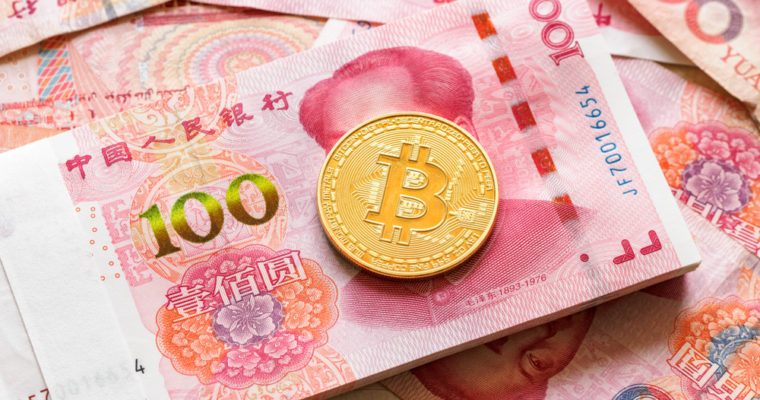
Initially dismissed as a fleeting, fringe trend by banks and regulating bodies, cryptocurrency was left largely untouched for a long time. For years, the crypto market was like the wild west. But as the cryptocurrency market and the hype around it continue to boom, financial players and governments are beginning to wake up, all scrambling to figure out just how they’ll conquer this new frontier while creating some serious arbitrage opportunities.
[Editor’s note: This is a guest article submitted by Gregory Klumov, CEO of Stasis.net]
Governments are racing to clamp down on cryptocurrencies. Nations are tightening their grips on crypto with new laws, regulations, and mandated practices. Meanwhile, there are few, if any, organized international-level efforts at regulation—leaving individual governments siloed.
The current state of affairs is mass confusion. It could be years before regulating bodies consolidate enough to get on the same page. That said, some governments are ahead of the curve when it comes to embracing cryptocurrencies. Others–to their own detriment, perhaps–are cracking down.
ICOs will continue to seek the most favorable regulatory conditions, so governments must balance their attempts to suppress fraud and money laundering with enough openness to attract ICOs that will shape industries of the future.
Current Regulations
Worldwide, regulations on crypto run the gamut in terms of complexity. At one extreme, countries like China have all ICOs. For China, it makes sense; the citizenry has little confidence in the local currency and wants to evade in-country regulations.
The government, for its part, wants to keep all monetary transactions under its control. Still, China, with cheap, subsidized electricity, remains the world capital in crypto-mining and produces a large share of the world’s bitcoin each year.

At the other end of the spectrum, governments in countries like Switzerland, Malta, Gibraltar, France, and more are embracing cryptocurrencies, recognizing the enormous opportunity for profit and taxable revenue.
For example, last month, France announced that it is developing a regulatory framework for ICOs, a move that is set to position France as a worldwide leading ICO hub.
It has already launched a cryptocurrency task force, headed by former central bank chairman and crypto proponent, Jean-Pierre Landau (nicknamed “Monsieur bitcoin”), which will research and “propose guidelines on the evolution of regulations.” And notably, France, along with Germany, called for cryptocurrencies to be discussed at the most recent .
France is not alone in jumping on the crypto train. It’s a smart move— small countries like France stand a lot to gain in this landscape of uneven regulation.
Regulatory discrepancies provide an opportunity for smaller countries to stack up against larger powers like the US and the UK, whose sweeping banking systems makes the dissemination of crypto more complicated. Switzerland, for example, is leading the way in supporting smart crypto regulation and is already considered a leader in the crypto market.
has traditionally been a haven for businesses, so it’s hardly surprising that it’s already leading the way in cryptocurrencies, with some of the biggest ICOs in the world located there. The Swiss government is hard at work setting up a robust legal framework that it hopes will keep it on top of the cryptocurrency trend.
Competing with Switzerland is Gibraltar. Famous for its low taxes, Gibraltar has already made impressive strides in the cryptocurrency space.
In fact, last year Gibraltar became the first country in the world to set up a legal framework for blockchain technology. It also recently opened its own exchange, the Gibraltar Blockchain Exchange.
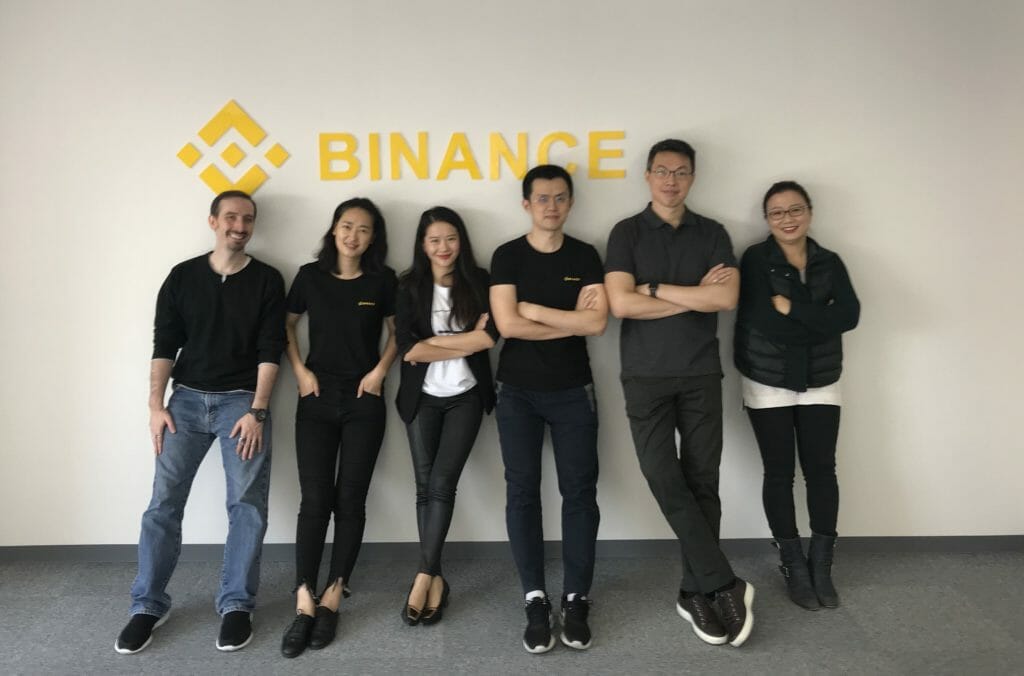
And lastly, despite its small size, tiny (but strategic) Malta is also trying to get the edge on Europe’s cryptocurrency market. In the midst of crackdowns elsewhere, Malta remains a safe haven for investors.
The biggest cryptocurrency exchange platform by volume, Binance, recently relocated to Malta, a move that caused quite a stir and drew even more attention to as a great place for crypto. Now, dozens of cryptocurrency are looking to set up shop there.
Of course, not everyone is so enthusiastic about cryptocurrencies. There are a number of countries either remaining silent on crypto or teetering on the fence. Recent crackdowns have investors concerned. Denmark, for example, is crypto-friendly and a haven for bitcoin owners, though a recent move by Denmark’s Danske Bank to ban all cryptocurrency transactions is worrying.
In some cases, regulatory clarity is good for the industry. recently shut down two cryptocurrency exchanges.That said, bitcoin remains legal tender in Japan and more than 30% of all global bitcoin transactions are currently conducted in yen. Japan appears to be cracking down on fraud and security risks, and while currently depressing the Japanese market, this may pave the way for better regulated and more stable exchanges to enter the marketplace.
Previously neutral, even leaning friendly, Kazakhstan has recently also taken a hard crypto-stance, with the chairman of its central bank announcing that it plans to prohibit the sale, purchase of, and mining of cryptocurrencies.
Investors still are unsure about the United States. The U.S. has taken a harder line in regulating cryptocurrencies, and American social networks are even catching on, with Twitter joining and Facebook as the most recent network to ban cryptocurrency ads entirely. This latest move has marketers particularly worried, but how regulations will unfold in coming years remains to be seen.
It’s worthwhile to add a stance of countries with struggling economies towards cryptocurrencies.
In a few of them, cryptocurrency remains : in Bolivia, Ecuador, Morocco, Republic of Macedonia, Vietnam and several others. With an idea to tightly control the money supply back in 2015, announced the country would create the first national digital currency, taking cues from modern cryptocurrency technology.

However, in February 2018, the Central bank of Ecuador ceased allowing citizens download the mobile electronic payment wallet. By stopping the population from downloading the mobile wallet, Ecuador has, in essence, eliminated their central bank issued digital currency. Lack of trust from citizens towards the banking system was the second reason to stop the incentive.
On the other hand, there is a group of countries like Venezuela, Estonia or Belarus that work aggressively by offering the most advanced [regulatory] opportunities for the crypto-community. Belarus came up with very friendly cryptocurrency regulation to attract foreign capital. However, these countries have serious lack of trust in their finance systems. Consequently, the crypto incentives don’t thrive.
Opportunities for Arbitrage Persist
The idea of a global regulatory framework for cryptocurrencies discussed at G20 summit in March is as unrealistic as a concept of global personal income tax. Countries should be able to compete in terms of regulations conducting crypto business in a fair and beneficial for entrepreneurs manner, so they can have the freedom to choose the best available jurisdiction.
Financial experts are rightfully worried about regulatory arbitrage, whereby firms capitalize on the loopholes left by this uneven treatment of crypto in order to circumvent unfavorable regulation. As it stands, opportunities for regulatory arbitrage show few signs of decreasing.
Industry talent and investments will continue to be funneled into countries that support crypto—while being poached from countries that do not. As the distributed nature of cryptocurrency continues to create market inefficiencies, crypto-friendly countries will benefit from controlling the exploding market, while traditional global powers risk getting left behind.
About the author
Gregory Klumov is the CEO and founder of Stasis.net .
Gregory started his career at the age of 15 as an entrepreneur when he founded a high-speed Internet Service Provider, subsequently moving from IT into finance. He brings more than 15 years of experience in alternatives investment management, that helped him to recognize investment potential of digital assets in the early stages of Blockchain revolution.
Gregory traded and allocated institutional capital as a portfolio manager. Also, he was a UHNWI adviser on liquid alternatives asset class and an investment director at Matrix Advisors and SBD Global Fund. Before creating Stasis, Greg raised capital, prepared liquidity events for portfolio companies and advised several ICO projects.
What are your thoughts on regulatory arbitrage? Share them below!
Images courtesy of Shutterstock
Disclaimer: The views and opinions expressed in this article are solely those of the author and do not necessarily reflect those of Bitcoinist.com. Claims made in this article do not constitute investment advice and should not be taken as such.
Published at Sat, 21 Apr 2018 11:00:44 +0000
Altcoins