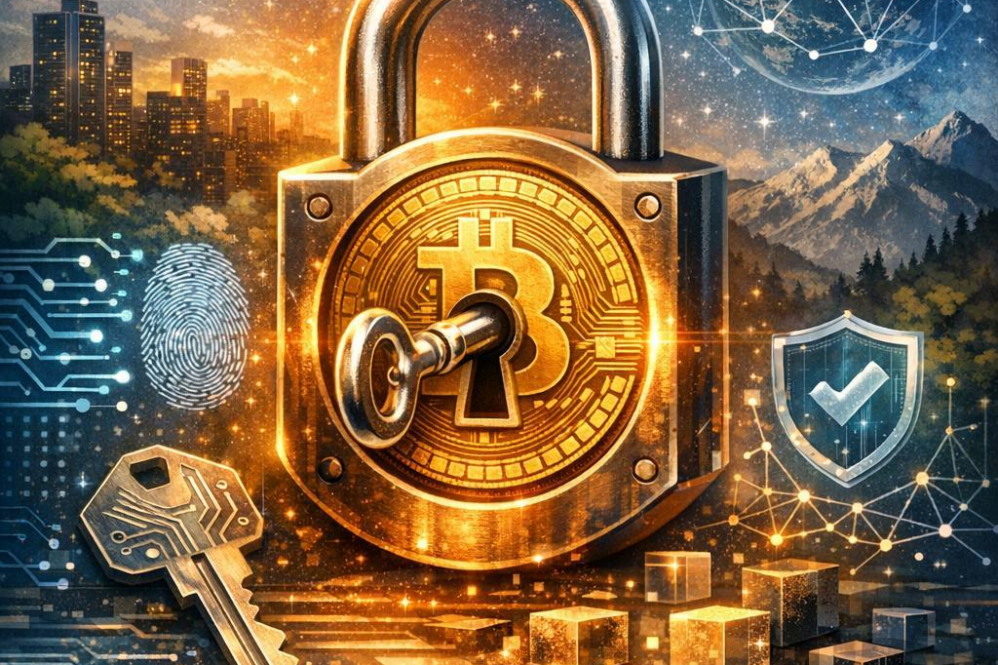
How bitcoin Security Relies on Private Key Integrity
The foundation of bitcoin’s trust model hinges entirely on the exclusivity and security of the private key. This key acts as the master password, granting control over the associated bitcoin address and all the funds it holds. If the private key is compromised, the entire wallet is vulnerable, allowing malicious actors to authorize unauthorized transactions with complete autonomy. Maintaining the integrity of the private key means employing robust generation algorithms, secure storage solutions, and strict access protocols.
Key factors critical to private key integrity include:
- Randomness in key Generation: High entropy and cryptographic standards ensure keys are unguessable.
- Storage Security: Offline wallets, hardware wallets, and encrypted backups guard against unauthorized access.
- Access Management: Limiting exposure through multi-factor authentication and air-gapped systems prevents leaks.
| threats to Private Key Safety | Preventive Measures |
|---|---|
| Phishing Attacks | Use hardware wallets and verify URLs |
| Malware & Keyloggers | Utilize air-gapped computers and anti-malware tools |
| Physical theft | Secure cold storage in vaults or hidden locations |
| Weak Key Generation | Employ cryptographically secure random number generators |
Common Threats to Private Key Safety and How to counter Them
Private keys are the cornerstone of bitcoin security, yet they face a variety of threats that can compromise their safety. Among the most common are phishing attacks, where malicious actors trick users into revealing their keys through fake websites or deceptive communications. Another prevalent risk involves malware and keyloggers that silently capture keystrokes or probe device storage for private key data. Physical theft, whether by stealing hardware wallets, computers, or storage devices, also poses a critically important danger, especially if the keys are poorly protected or unencrypted.
Countering these threats requires a multi-layered defense strategy. First, users should adopt hardware wallets, which keep private keys offline and out of reach from software-based attacks. Employing strong, unique passwords combined with two-factor authentication (2FA) on platforms interacting with bitcoin wallets increases resistance against phishing and unauthorized access. Regular updates of software and operating systems help close vulnerabilities commonly exploited by malware. Moreover, cold storage solutions, where keys are stored on devices entirely disconnected from the internet, offer robust protection against cyber intrusions.
| threat Type | Countermeasure |
|---|---|
| Phishing & Social Engineering | Use official sources; enable 2FA |
| Malware & Keyloggers | Install antivirus; use hardware wallets |
| Physical Theft | Secure storage; encrypt backups |
| Accidental Loss | Multiple encrypted backups; secure recovery phrases |
Best Practices for Secure Private Key Management
Securing private keys is basic to safeguarding bitcoin holdings. The most effective strategy involves storing keys offline in hardware wallets or cold storage devices, which significantly reduce exposure to hacking attempts and malware. Additionally, employing strong passphrases and enabling multi-factor authentication on any device that interacts with your keys adds extra layers of defense against unauthorized access. Never share your private key with anyone, as possession equals full control over your funds.
Regular backups form a critical component of key management. Creating encrypted backups and storing them in geographically diverse, secure locations ensures recovery in case of device loss or physical damage.It is indeed advisable to use non-digital media like metal seed storage plates for storing recovery phrases, as these resist fire, water, and physical wear better than paper. Periodically testing backup integrity without exposing the private key itself guarantees accessibility when needed.
| Practice | Benefit |
|---|---|
| Hardware Wallets | isolation from online threats |
| Multi-Factor Authentication | Enhanced access control |
| Encrypted Backups | Secure recovery options |
| Geographic Diversification | Protection against localized risks |
Staying vigilant against phishing scams and suspicious software is equally critical. Users should always verify the authenticity of wallet applications and avoid clicking on unsolicited links related to key management. Employing trusted wallet providers and keeping software up to date closes common vulnerabilities. by combining technical precautions with disciplined personal habits,bitcoin holders can uphold the integrity of their private keys and secure their digital wealth against evolving cyber threats.
The Future of bitcoin security Enhancements and Private Key Protection
As bitcoin continues to evolve, the emphasis on securing private keys has never been greater. Private keys are the linchpin of bitcoin ownership – without them,access to funds is impossible. Future advancements are likely to focus on multi-layered encryption and hardware wallet innovations that minimize the risk of unauthorized access. Enhanced biometric authentication and tamper-resistant devices are poised to offer next-level protection, mitigating threats from both hackers and physical theft.
Developers and security experts are increasingly exploring quantum-resistant algorithms to future-proof bitcoin wallets. The advent of quantum computing poses a potential risk to current cryptographic standards, and proactive integration of post-quantum cryptography could ensure private keys remain impervious to emerging computational power. This will require coordinated upgrades across wallet software and network protocols to maintain seamless yet secure transactions.
Consider the following key features under progress or adoption to bolster private key protection:
- Multi-signature schemes: Requiring multiple private keys to authorize a transaction, thus reducing single-point failures.
- Shamir’s Secret Sharing: Dividing private keys into parts, stored separately, only combinable when needed for spending.
- Cold storage improvements: Enhanced air-gapped devices and secure offline environments for key storage.
| Security Feature | Purpose | Benefit |
|---|---|---|
| Multi-signature Wallets | Distributes signing authority | Reduces hacking risk by requiring multiple approvals |
| Biometric authentication | Ensures user identity | Enhances secure access with fingerprint or facial recognition |
| Quantum-Resistant Encryption | Protects against quantum attacks | Future-proofs private keys |
| Cold Storage | Keeps keys offline | prevents exposure to online threats |


![Nyse arca files paperwork for bitwise [btc] etf approval](https://ohiobitcoin.com/storage/2019/01/sqazUD.jpg "Nyse arca files paperwork for bitwise [btc] etf approval")