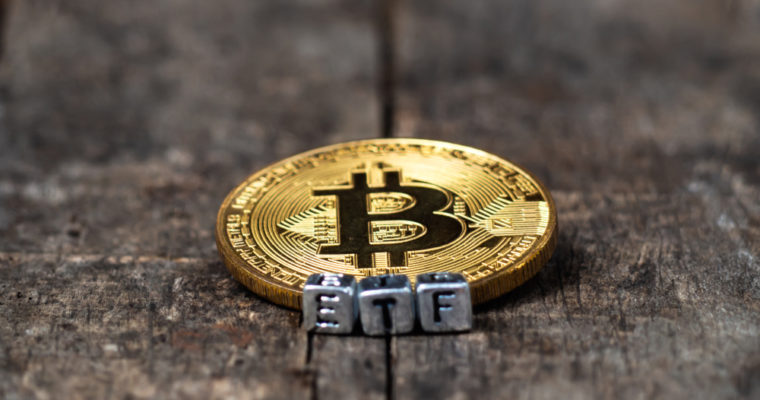
bitcoin As A Digital Safe Haven For Preserving Wealth
bitcoin emerged as a beacon of stability in an economy that frequently enough feels like a rollercoaster ride. Unlike traditional currencies that are subject to the whims of central banks and government policies, bitcoin’s scarcity is hardcoded. bitcoin has a fixed supply of 21 million coins, with no room for inflationary expansion. This scarcity creates a unique hedge against the devaluation of fiat currencies, which frequently experience inflation due to excessive money printing. The decentralized nature of bitcoin removes the usual gatekeepers and ensures a level of openness and security that national currencies cannot match.
Investors see bitcoin as a digital vault for their wealth, particularly in times of economic uncertainty and inflation spikes. Unlike gold or other traditional safe-haven assets,bitcoin is accessible at any time and doesn’t require physical custody or maintenance. This digital asset class thrives on the backbone of blockchain technology, which guarantees secure and transparent transactions. The immutability of the bitcoin blockchain ensures that once funds are transferred or stored in a digital wallet, they are extremely challenging to hack or seize. This has made bitcoin a compelling choice for those seeking to preserve their wealth in a volatile financial environment.
While bitcoin’s value can be volatile due to market speculation and supply constraints,its resilience in the face of inflation proves its worth. Investors and economists alike have noted bitcoin’s performance during periods of high inflation, where it often outperforms other assets. According to recent studies, bitcoin has seen substantial gains in economies stricken by hyperinflation, highlighting its potential as a global currency alternative.The table below summarizes the average performance of bitcoin in comparison to the local currency during peak inflationary periods in Venezuela and Zimbabwe.
| Country | Peak Inflation Year (Local Currency) | bitcoin Growth (USD) |
|---|---|---|
| Venezuela | 2018 (Bolívar) | 50,000% |
| Zimbabwe | 2008 (Zimbabwean Dollar) | 1,000% |
The numbers speak for themselves, illustrating how bitcoin serves as a robust hedge against the erosive power of inflation, offering a safe haven for those looking to safeguard their wealth in unpredictable times.
The Intrinsic Value Of Decentralization In Defending Against Currency Debasement
is a cornerstone of bitcoin’s promise. By design, bitcoin is scarce and unalterable, ensuring that its supply is fixed at 21 million coins. This hard limit prevents inflationary pressures from devaluing the currency over time,unlike traditional fiat currencies which governments can inflate by simply printing more money.
Decentralization not only safeguards the currency from manipulation but also provides security against centralized failures. Traditional financial systems are vulnerable to political, economicand systemic risks that can destabilize entire economies. In contrast, bitcoin’s cryptographic foundation and distributed ledger technology resist such threats. Because bitcoin’s network relies on thousands of nodes around the globe, it is less susceptible to the kind of manipulation that can occur in centralized systems, where a single point of failure can compromise the integrity of the entire system.
A key feature of bitcoin’s decentralized architecture is the blockchain technology that records transactions. The blockchain’s transparency and tamper-proof nature mean that all bitcoin transactions can be verified and tracked independently. This characteristic undermines the incentives for currency debasement, as any attempt to inflate the supply would be detected and flagged by the network. The table below illustrates how a few major currencies have fared historically against inflation compared to bitcoin’s stability.
| Currency | Year 1 Inflation Rate | Year 5 Inflation Rate | BTC Inflation Rate |
|---|---|---|---|
| US Dollar | 2.0% | 2.3% | N/A |
| Euro | 0.9% | 2.2% | N/A |
| Japanese Yen | 0.4% | 0.5% | N/A |
Strategic Holdings For Diversifying Risk And Combatting Hyperinflation Scenarios
Investors looking to safeguard their wealth from the perils of hyperinflation must diversify their holdings strategically. Traditional assets like cash and bonds can lose value dramatically during periods of hyperinflation, prompting a search for alternative safe havens. This is where bitcoin comes into play as a unique store of value, separate from traditional financial systems.
bitcoin’s limited supply is a critical feature that sets it apart from traditional currencies. Unlike fiat money, which can be printed in unlimited quantities by central banks, the total number of bitcoins is capped at 21 million.This scarcity mechanism ensures that the purchasing power of each bitcoin remains relatively stable, even in high-inflation environments. It acts as a hedge against the debasement of fiat currencies by governments and central banks seeking to inflate their way out of debt.
A strategic approach to diversification involves not just holding bitcoin but also integrating it with other assets that complement its unique properties. As an example, incorporating physical assets like real estate or precious metals alongside digital assets can provide a balanced portfolio.Below is a simple breakdown of how different asset classes might fare against hyperinflation:
| Asset Class | Hyperinflation Tolerance | Why? |
|---|---|---|
| bitcoin | High | Limited supply,deflationary nature. |
| Real Estate | Medium | Tangibility and potential for rent growth. |
| Precious Metals | Medium | Historical safe havens during economic crises. |
Quantitative Analysis Of bitcoin’s Performance During Historical Inflation Events
bitcoin’s performance during periods of high inflation offers valuable insights into its potential as a hedge against currency devaluation. Historically, countries like Zimbabwe and Venezuela experienced astronomical inflation rates, which severely eroded the purchasing power of their national currencies. During such times, bitcoin has served as a haven for wealth preservation, as seen in Venezuela where local merchants increasingly adopted bitcoin transactions to protect themselves against the volatile bolivar.
To dissect bitcoin’s effectiveness, we delve into specific instances of financial turmoil. One such period was the inflationary crisis in Argentina at the start of 2022, when the peso’s value plummeted despite government interventions. bitcoin’s relative stability during this phase highlighted its status as a store of value. By examining market data, one can note that as the Argentine peso weakened, the price of bitcoin surged, frequently enough attracting foreign investments looking for a more stable currency.
A table summarizing bitcoin’s price trends alongside selected inflation events clarifies this relationship:
- Period: Argentina’s Inflation Spike (2022)
- Period: Venezuela’s Hyperinflation (2019)
- Period: Zimbabwe’s Currency Collapse (2016)
| Event | Inflation Rate | bitcoin Price* |
|---|---|---|
| Argentina’s 2022 Inflation Spike | 35% | $35,000 |
| Venezuela’s Hyperinflation (2019) | 10,000,000% | $12,000 |
| Zimbabwe’s Currency Collapse (2016) | 231% | $600 |
Strategic Recommendations For Individuals And Institutions Seeking Inflation Diversification
When considering how to shield financial assets from the erosive effects of inflation,both individuals and institutions often find themselves navigating a labyrinth of traditional and emerging options. bitcoin, with its finite supply capped at 21 million coins, stands out as a distinctive alternative. Unlike traditional inflation hedges like gold or real estate, which are influenced by supply dynamics and geographical factors, bitcoin offers a digital scarcity that is universally accessible and unaffected by physical boundaries.This unique attribute makes it an appealing option for those looking to diversify their portfolios beyond the confines of conventional assets.
For individuals, the appeal of bitcoin lies in its ability to provide a hedge against the devaluation of fiat currencies. Inflation often erodes the purchasing power of cash and other forms of currency, but bitcoin’s capped supply means that its value cannot be diminished in the same way. This characteristic can serve as a safeguard for those saving for long-term goals such as retirement or education. Institutions, on the other hand, may see bitcoin as a strategic diversification tool to protect large-scale investments and maintain asset integrity in volatile economic environments. By incorporating bitcoin into their asset allocation, institutions can benefit from its potential to act as both a store of value and a medium of exchange, particularly in the context of increasing digital commerce.
A key consideration when integrating bitcoin into a portfolio is the importance of proper risk management and regulatory understanding. While bitcoin offers numerous advantages,it also comes with inherent risks,including price volatility and regulatory uncertainties. Table 1 below highlights some of the primary factors to consider before incorporating bitcoin into an asset allocation strategy.
| Consideration | Description |
|---|---|
| Risk Management | Implementing strategies to mitigate price volatility and security risks. |
| Regulatory Environment | Understanding jurisdiction-specific regulations and compliance requirements. |
| Tax Implications | Evaluating tax laws and treating bitcoin as a capital asset or currency. |
By carefully weighing these factors and integrating bitcoin thoughtfully, both individuals and institutions can position themselves to benefit from its unique role as a hedge against inflation.