bitcoin ATMs have emerged as a convenient gateway for individuals to buy and sell bitcoin using cash, bridging the gap between traditional financial systems and the world of cryptocurrencies. These machines operate similarly to conventional ATMs but facilitate transactions involving bitcoin, offering users a simple and accessible means to convert their physical currency into digital assets and vice versa. Understanding how bitcoin ATMs work involves exploring the technological processes behind transactions,user authentication,and the integration wiht cryptocurrency networks.This article provides a detailed overview of the mechanisms that enable bitcoin ATMs to function, explaining the step-by-step process of buying and selling bitcoin for cash, and highlighting their role in expanding cryptocurrency adoption.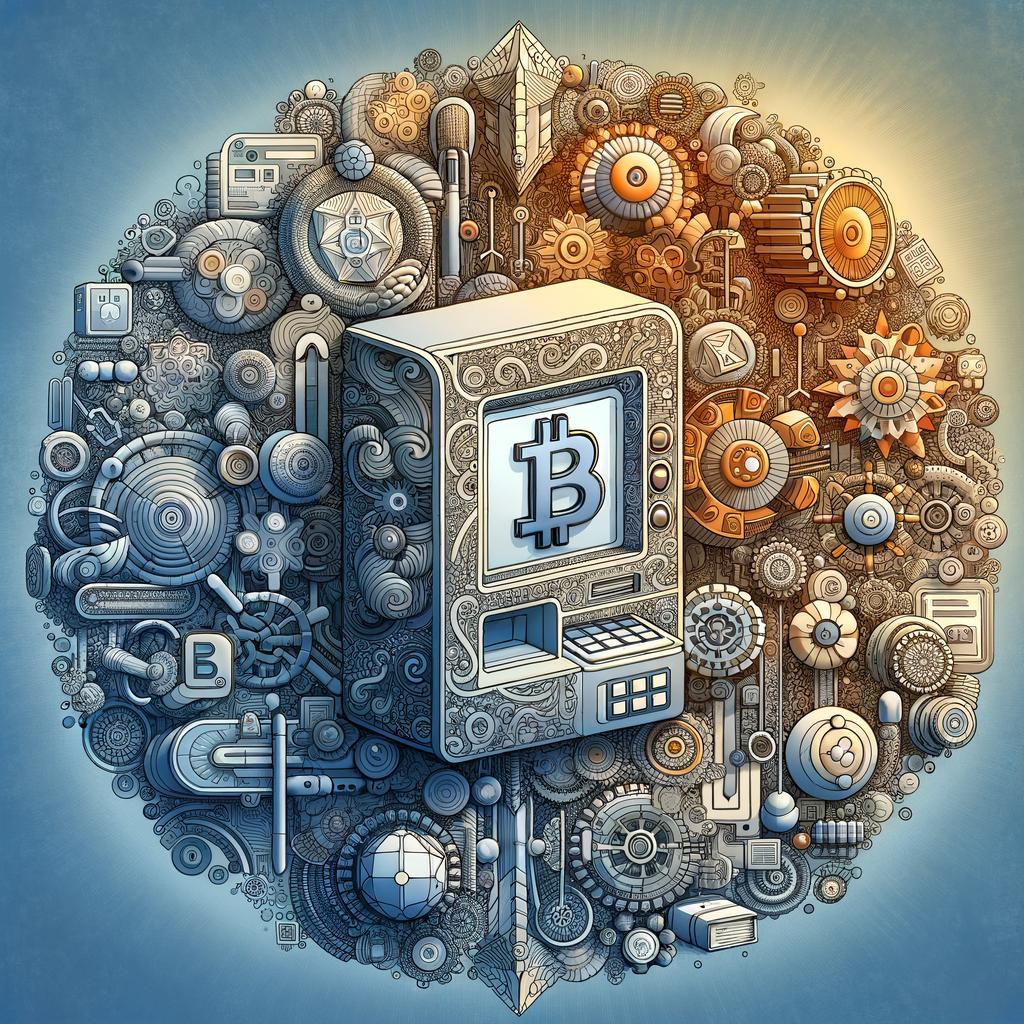
Understanding the Functionality of bitcoin ATMs and Their Key Components
bitcoin ATMs operate as kiosks that facilitate the buying and selling of bitcoin using cash or debit cards, bridging traditional currency with digital assets seamlessly. At their core, these machines are connected to the bitcoin network and specialized cryptocurrency exchanges, enabling instant transaction verifications and ensuring that bitcoin amounts correspond accurately with deposited or withdrawn cash.
Key components of bitcoin ATMs include:
- QR Code Scanner: Reads users’ bitcoin wallet addresses, enabling swift digital transfers without manual input errors.
- Cash Acceptor and Dispenser: Handles physical currency for buying bitcoin or paying out cash when selling.
- Touchscreen Interface: Guides users through the transaction process with an intuitive menu and secure verification steps.
- Receipt Printer: Provides transaction proof and details for users’ records.
Security protocols play an essential role in the machine’s operation, frequently enough including identity verification through government-issued IDs or two-factor authentication to comply with regulatory standards.The transaction workflow is designed to minimize risks by broadcasting signed bitcoin transactions to the blockchain only after cash has been deposited or funds have been confirmed in the user’s wallet.
| Component | Function | User Benefit |
|---|---|---|
| QR code Scanner | Reads wallet address quickly and accurately | Speeds up transactions, reduces errors |
| Cash Acceptor/dispenser | Handles physical currency deposits and withdrawals | Enables cash-to-bitcoin and bitcoin-to-cash exchanges |
| Touchscreen Interface | Guides user step-by-step | User-pleasant experience |
| Receipt Printer | Prints transaction summary | Offers proof of purchase for records |
Step-by-Step Process for Buying bitcoin with Cash at a bitcoin ATM
Begin by locating a nearby bitcoin ATM using online maps or dedicated ATM locators. Upon arrival,authenticate your identity if the machine requires it; this could involve scanning your government-issued ID or verifying your phone number. Some ATMs may allow you to proceed without verification for small purchases, but requirements vary by location and operator.
Next, select the option to buy bitcoin and enter the amount of cash you wish to spend. The ATM will display the current exchange rate and any applicable transaction fees, giving you a clear overview before proceeding. Insert your cash into the machine; ensure the bills are in good condition to avoid any rejection in the cash intake slot.
Then, provide your bitcoin wallet address to the ATM. This is frequently enough done by scanning the QR code from your mobile wallet app directly on the machine’s scanner. If you do not have a wallet, some ATMs offer an option to create a new one on the spot, though it’s generally recommended to set up your wallet beforehand for greater control and security.
Once the transaction is confirmed, the ATM processes the purchase and sends the bitcoin to the wallet address you provided. A receipt is usually printed or displayed on the screen for your records. Transactions can take a few minutes to confirm on the blockchain network, depending on the current network congestion and the ATM operator’s policies.
How to Sell bitcoin for Cash Using a bitcoin ATM Securely
When selling bitcoin for cash at a bitcoin ATM, the first crucial step is to choose a reputable machine that supports two-way transactions. Not all bitcoin ATMs allow selling, so verify the machine’s capabilities beforehand. Once you confirm, initiate the sale by accessing the ATM’s menu and selecting the “Sell bitcoin” option. This process typically requires you to scan a QR code from your bitcoin wallet or provide your wallet address,ensuring secure transfer of funds directly from your possession to the machine.
Security measures during the transaction are essential. These include:
- Using your personal wallet with private keys that only you control
- Avoiding public Wi-Fi when executing the transaction to prevent interception
- Confirming the transaction details on your wallet app before approving the transfer
- Verifying the ATM’s authenticity by checking its manufacturer and reviews online
After sending the bitcoin, most machines require a confirmation period on the blockchain, which can take from a few minutes to about an hour depending on network traffic. Once confirmed, the ATM dispenses cash corresponding to the bitcoin amount sold, minus any fees. Be mindful of the transaction fees displayed on the screen before completing the sale to understand the net cash you will receive.
| Step | Action | Tips |
|---|---|---|
| 1 | Locate bitcoin ATM with sell option | Use official websites or apps to find machines |
| 2 | Initiate sell transaction | Scan QR code from your wallet app |
| 3 | Confirm transaction and wait | Ensure network confirmation before cash withdrawal |
| 4 | Collect cash | check dispensed amount carefully |
Evaluating Fees and Exchange Rates Associated with bitcoin ATM Transactions
bitcoin ATM transactions often come with a varied fee structure that directly impacts how much bitcoin you receive or cash out per transaction. Typically, these fees are higher than those found on traditional online exchanges, due to the convenience and immediacy offered by physical ATMs. Users should anticipate fees ranging from 6% to 12% of the transaction amount, depending on the ATM operator and location.
The exchanges rates applied by bitcoin ATMs seldom reflect the exact spot market price seen on major cryptocurrency platforms. This discrepancy arises as bitcoin ATM operators include a markup to cover their operating costs and profit margins. Consequently, the effective exchange rate is usually less favorable than on digital exchanges, influencing the total cost or proceeds during a buy or sell transaction.
For an easy comparison, consider this simple table summarizing typical transaction fees and exchange rates you might encounter at bitcoin ATMs:
| Transaction Type | Fees (%) | Exchange Rate Markup (%) | Estimated Total Cost |
|---|---|---|---|
| Buying bitcoin | 7-12% | 2-5% | 9-17% above market rate |
| Selling bitcoin | 6-10% | 3-6% | 9-16% below market rate |
When planning your bitcoin ATM transactions, keep these crucial points in mind:
- Transaction size affects fees: Smaller transactions frequently enough incur higher percentage fees.
- Operator varies: fee schedules differ widely between ATM providers, so shop around.
- Location matters: Urban centers tend to have lower fees due to competition.
- Payment method impacts costs: Paying with cash vs. card can influence the fees charged.
Best Practices and Safety tips for Using bitcoin ATMs Effectively
When using bitcoin ATMs, always verify the machine’s location and operator before proceeding with any transaction. Choose ATMs installed in secure, well-lit public spaces or inside reputable businesses. Check the provider’s website or app for official listings to avoid fraud or malfunctioning devices. Additionally, inspect the machine for any suspicious attachments or tampering evidence to protect your privacy and assets.
Transaction clarity is essential.Before confirming your purchase or sale, carefully review the exchange rate, fees, and the exact bitcoin amount you will receive or send. bitcoin ATM fees can vary significantly, so compare rates if possible, and understand the limits imposed on daily or per-transaction amounts to avoid unexpected costs or delays. Keep in mind that blockchain confirmations may take time depending on network congestion.
- Use a secure digital wallet: Always use a reputable and secure bitcoin wallet for deposits and withdrawals. Avoid sharing private keys or backup phrases offline and ensure your wallet app is up-to-date.
- Maintain anonymity cautiously: While bitcoin transactions are pseudonymous, some ATMs require identity verification – comply with local regulations but be aware of how much personal data you share.
- Keep transaction records: Save receipts or transaction IDs for future reference or disputes.
| Tip | Purpose |
|---|---|
| Verify ATM Location | Avoid scams and protect funds |
| Confirm Fees & Rates Beforehand | Optimize transaction cost |
| Use Secure Wallets | ensure safe fund transfer |
| Keep Transaction Records | Proof for disputes or audits |
Q&A
Q: What is a bitcoin ATM?
A: A bitcoin ATM is a physical kiosk that allows users to buy and/or sell bitcoin using cash or debit cards. It functions similarly to traditional ATMs but facilitates cryptocurrency transactions instead of fiat currency withdrawals.
Q: How does buying bitcoin at a bitcoin ATM work?
A: To buy bitcoin, a user inserts cash into the ATM, provides a bitcoin wallet address (usually via scanning a QR code from a mobile wallet app), and the ATM sends the equivalent amount of bitcoin to that address.The user typically receives a receipt confirming the transaction.
Q: Can bitcoin ATMs be used to sell bitcoin for cash?
A: Yes, many bitcoin ATMs support selling bitcoin. Users send bitcoin from their wallet to the ATM’s designated address. Once the transaction is confirmed on the blockchain, the ATM dispenses the equivalent amount of cash to the user.
Q: What do I need to use a bitcoin ATM?
A: You need a bitcoin wallet to receive or send bitcoin. This could be a mobile wallet app where you can scan QR codes at the ATM.Some ATMs require identity verification (such as an ID scan or phone number) depending on local regulations.
Q: Are bitcoin ATMs connected directly to the bitcoin network?
A: Yes, bitcoin ATMs connect to the bitcoin network to process transactions in real time or near real time. When buying, the ATM broadcasts your receiving address to the network. When selling, it verifies receipt of bitcoin to release cash.
Q: Are there fees associated with bitcoin ATM transactions?
A: Yes, bitcoin ATMs commonly charge service fees that can be higher than online exchanges. These fees cover operational costs and vary depending on the operator and location.
Q: Is the cash used in bitcoin ATMs physical cash or digital money?
A: The cash exchanged in bitcoin ATMs is physical cash. Users deposit physical bills when buying bitcoin and receive physical bills when selling bitcoin for cash.
Q: what should I consider before using a bitcoin ATM?
A: Consider the transaction fees, ATM location, verification requirements, and ensure your bitcoin wallet is compatible. Also, be aware of potential limits on transaction amounts.
Q: Where can I find more facts about bitcoin wallets to use with ATMs?
A: You can explore different bitcoin wallet options at resources that guide wallet selection and downloads, such as dedicated bitcoin websites offering wallet comparisons and download links.
To Wrap It Up
bitcoin ATMs provide a practical and accessible way for users to buy and sell bitcoin using cash, bridging the gap between traditional currency and digital assets.By understanding the operational process, including identity verification and transaction confirmation, individuals can confidently utilize these machines to enter or exit the bitcoin market. As the adoption of cryptocurrency continues to grow, bitcoin ATMs are likely to play an increasingly important role in facilitating seamless, peer-to-peer financial exchanges. For further insights into bitcoin and related technologies, engaging with dedicated communities and resources can provide valuable support and information[[[1]](https://bitco.in/forum/).