According to Fundstrat head of research , the recent decline in (BTC) price is likely the result of the expiration of , Bloomberg June 14.
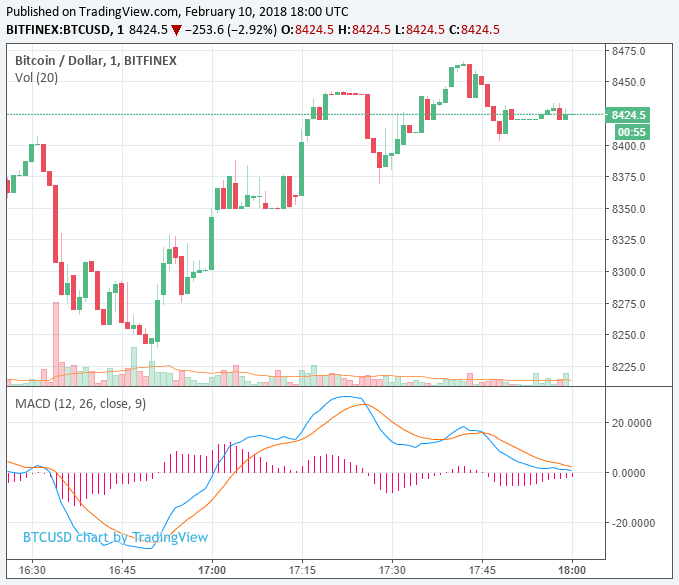
In a report, Lee explained that the “gut wrenching” weakness in (BTC), which dropped upwards of 20 percent earlier this week, was the result of futures contracts expiring. Lee said the “significant volatility” is one of six expirations of bitcoin that have happened since its futures contracts in December 2017. Lee :
"bitcoin sees dramatic price changes around CBOE futures expirations… We compiled some of the data and this indeed seems to be true.”
According to Lee, bitcoin usually sees a drop of around 18 percent in 10 days before futures expiration, with prices generally recovering by six days afterward. Lee explained that if a trader is long on bitcoin and short the futures, holders may sell large shares of BTC at the volume weighted average price as contracts move closer to expiring.
Near expiration however, they may sell the remaining bitcoin, which causes the price to drop, and leaving the short position in the futures they close “with a handsome profit.”
Lee also noted a low amount of in crypto this year, claiming that there’s more net supply this year amid (ICOs), rewards, and capital gains .
Crypto markets saw a slight rebound today, of total market cap of around $20 bln from Wednesday’s low of $271 bln. Having dropped as low as this week, bitcoin has seen a growth of over 5 percent in the 24-hour period, and is trading around $6,618 at press time.
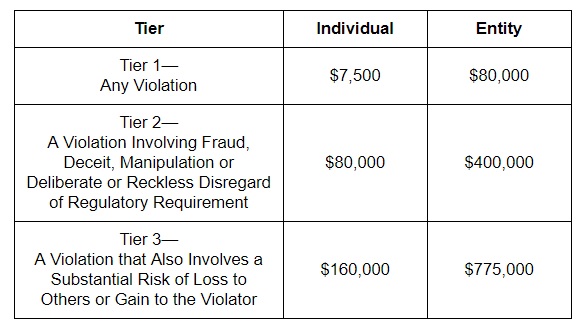
Recently, Cointelegraph that (CFTC) has launched a probe into four major crypto exchanges Bitstamp, , itBit, and that have been providing data for , which launched bitcoin futures trading in December 2017. The CFTC is investigating whether these platforms have taken any action that could constitute manipulation of ’ prices.
Published at Fri, 15 Jun 2018 00:38:22 +0000