All over the world, legislators, financial experts, and academics are bewildered by the spectacular growth of bitcoin and the cryptocurrency market. They now realize that financial regulatory agencies lack sufficient experience and authority with cryptocurrencies; therefore, these agencies are unable to perform their oversight duties. As a result, some are even mulling over the creation of a new regulatory agency. However, more regulation will undoubtedly hinder the growth of the crypto space.
SEC and CFTC’s Obsolete Legal Frameworks
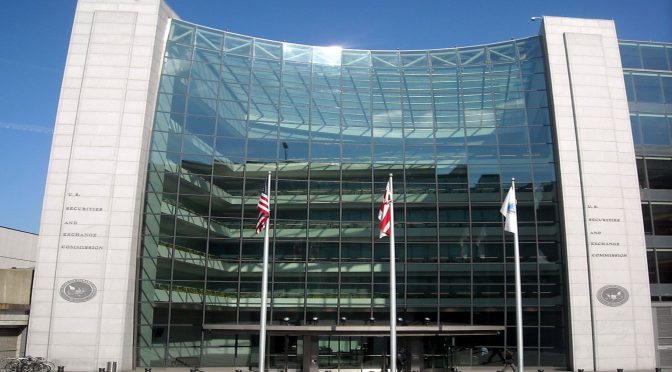
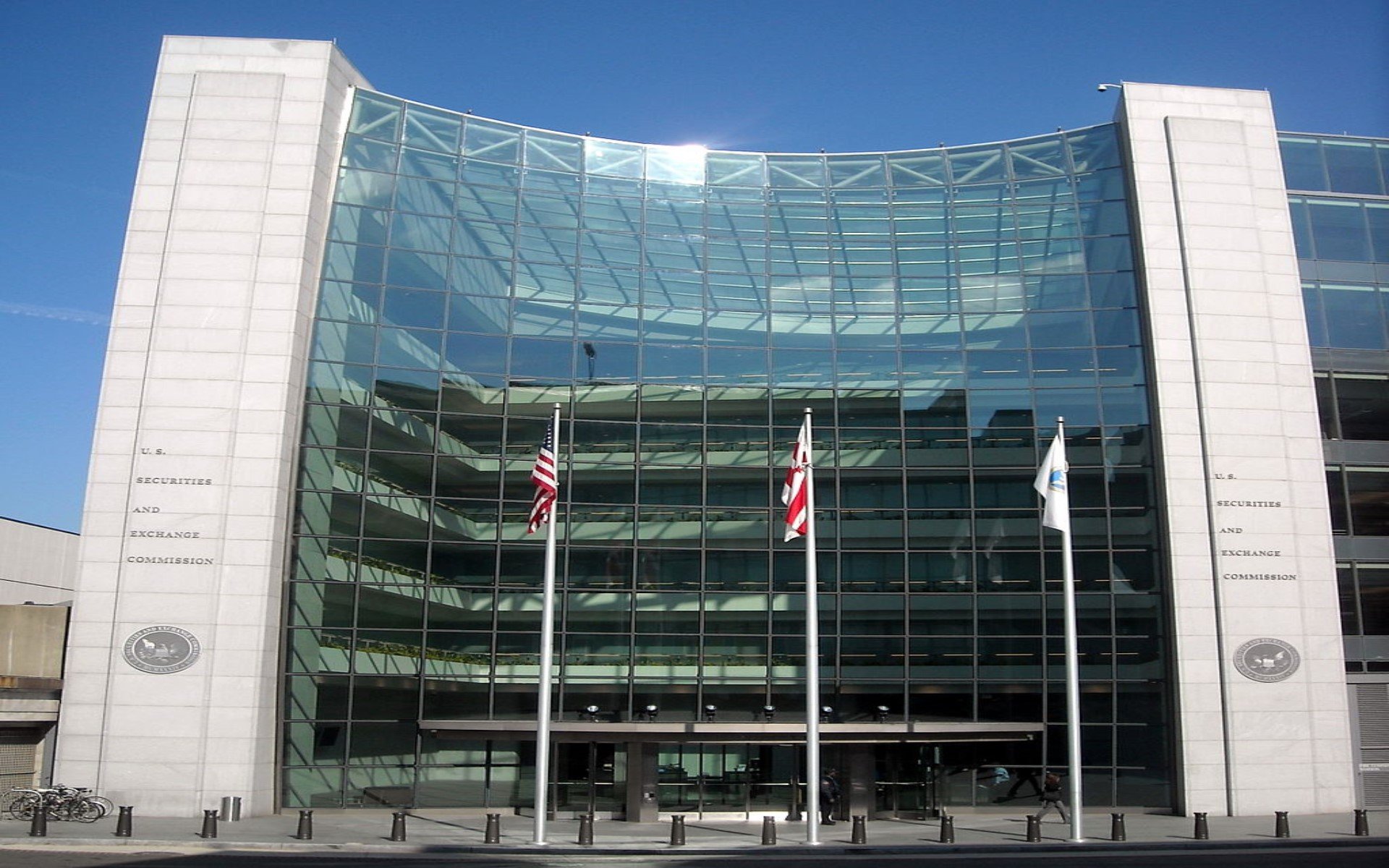
In the U.S., financial regulators are at a loss when dealing with cryptocurrencies. The Securities and Exchange Commission (SEC) and the Commodity Futures Trading Commission () are unable to perform their regulatory duties.
In this regard, an entitled “Should Congress Create a Crypto-Cop?” recently appeared in the New York Times. The article was written by Professor Peter J. Henning, Wayne State University Law School.
In his article, Henning explains that regulators are unable to exercise control over the ever-growing cryptocurrency market because obsolete existing legislation gives them only limited power, and the regulatory system is excessively bureaucratic. Moreover, these agencies, the SEC and the CFTC, lack experience in overseeing cryptocurrencies.
Should Congress create a crypto-cop?
— DealBook (@dealbook)
Therefore, Henning writes, “assigning responsibility to one (or both) will require increased appropriations to develop rules and effective oversight.”
Henning concludes:
The creation of, say, a Cryptocurrency Exchange Commission, or C.E.C., could address a rapidly developing product that defies easy categorization without having to deal with the demands – and foibles – of an entrenched bureaucracy.
Is Switzerland Becoming More bitcoin-Friendly?
Financial regulators’ inadequacy also affects those across the Atlantic. For example, The Swiss Financial Market Supervisory Authority (FINMA), struggles to make clear its official position on Initial Coin Offerings (ICOs), while attempting to have a more bitcoin-friendly stance.
Recently, FINMA announced that it was going to regulate ICOs. However, to Reuters, it is unclear whether these ICO regulations will fall under the anti-money-laundering laws or whether ICOs will be treated as securities.
Indeed, Swiss regulators are grappling with the extent to which they should regulate the crypto market. As the Financial Times:
But it has created a dilemma for Swiss politicians and regulators: just how far should they go in encouraging a digital ‘wild west’?
Heavy-handed regulations on cryptocurrency would curb the innovation that has allowed the industry to flourish thus far.
— Competitive Enterprise Institute (@ceidotorg)
However, creating more regulatory agencies and imposing excessive regulations will create more bureaucracy, which in turn, it might make the fight against fraud more ineffective. More regulation will impede the growth of the young crypto industry, depriving investors of the fantastic opportunities it offers.
How do you think the creation of a new regulatory agency to supervise cryptocurrencies would impact bitcoin? Let us know in the comments below!
Images courtesy of Wikimedia Commons
Published at Fri, 16 Feb 2018 23:00:50 +0000