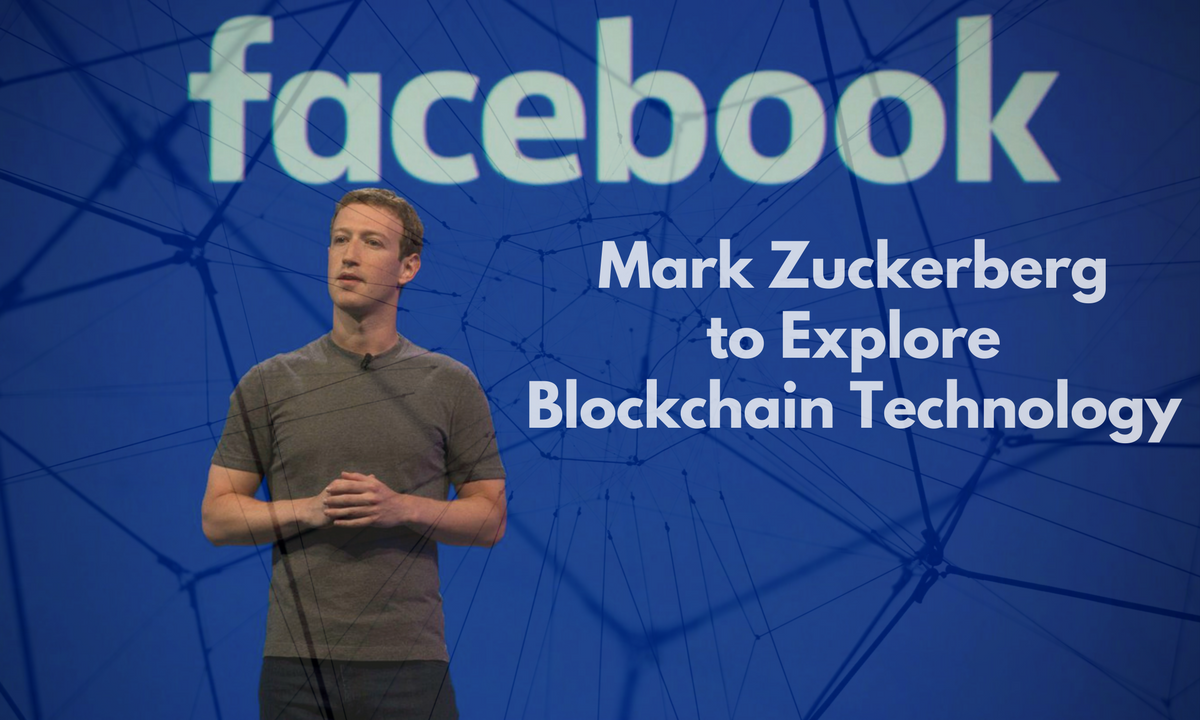
Critics Question Whether Move Is Just ‘Marketing Fluff’. Facebook is edging closer to launching its own , with a rollout expected this year, The New York Times reports. But some critics say the project seems more like a trendy and unnecessary redressing of a PayPal-like system on a .
Citing anonymous sources, the Times reports Facebook has held discussions with exchanges about selling the coin, which would be a feature within the WhatsApp messenger. Bloomberg first reported the project in December.
Facebook’s project is rolling along in parallel with similar efforts from other messaging systems, including Telegram and Signal, which may go live before year’s end. It’s a sign of big-name interest in blockchains and despite a year-long bear market and ever-present regulatory concerns.
Could this be ’s big market breakthrough?
We’ve seen a number of rumblings of various large tech companies wanting to make use of and working on projects to do so. Amazon’s project comes to mind as well. With their managed service, many companies could easily put their products, services and supporting functionality on the .
’s Problems
’s launch in January 2009 catapulted interest in decentralized ledgers called blockchains to record transactions. ’s creator, the pseudonymous Satoshi Nakamoto, figured out how to mathematically verify transactions without a trusted middleman and ensure that coins are not spent twice.
’s success held hopes that blockchains would irrevocably disrupt the financial services industry, reducing fees and opening up new banking tools to the impoverished. Ten years on, it hasn’t quite worked out that way.
PayPal on ?
Facebook’s plan could possibly eliminate some of the problems. The Times reports Facebook’s currency would be a “stable” coin, pegged to several currencies. Volatility would be nixed by backing the coin with real money.
The Times story also indicates Facebook’s design wouldn’t rely on miners to verify transactions, instead using dedicated nodes similar to more centralized , such as or . systems along the lines of use distributed computers, called miners, to verify transactions.
But pegging a Facebook to, say, the U.S. dollar would mean that Facebook would wind up becoming a trusted entity along the lines of a bank, says Nicholas Weaver, a researcher with the International Computer Science Institute and a lecturer at the University of California at Berkeley.
“What they [Facebook] describe is a centrally run payment system,” Gerard says. “You’d want that to be done the conventional way.”
The regulatory environment around is also still in flux, posing another challenge. Facebook will have to be 100 percent attentive and well-behaved as a money transmitter, Gerard says.
If a Facebook coin becomes widely traded on exchanges, the reputation of the project will also depend on the trustworthiness of those partners, Gerard says.
“The limits aren’t technical,” he says. “It’s easy to send money around the world. They’re – making sure money changers are solvent, reputable and have the money.”
Will this ultimately be a good thing for the landscape and environment? Possibly but when large corporations start taking over a space, at least in the long term, it can be a negative for an industry. In the short term, it can buoy and drive forward an industry. Facebook and Amazon can set the market but they then own that market. It’s tough then, for start ups and others to get an opportunity to make their mark in the world.
The post appeared first on .
Published at Sun, 03 Mar 2019 15:02:11 +0000


