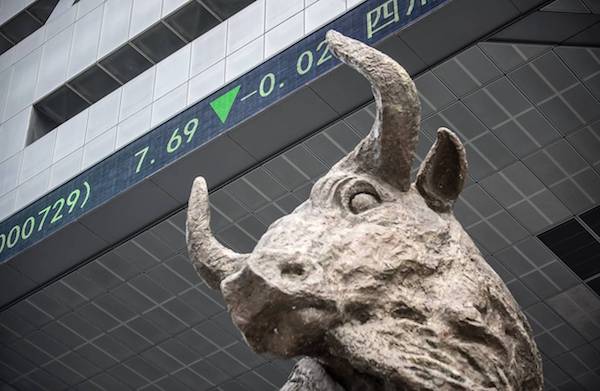
Who is this “Moon”? Ethereum has been moving in a very straight line for the past 9-10 days for the first time since anyone can remember. While its trading volumes…
The post appeared first on .
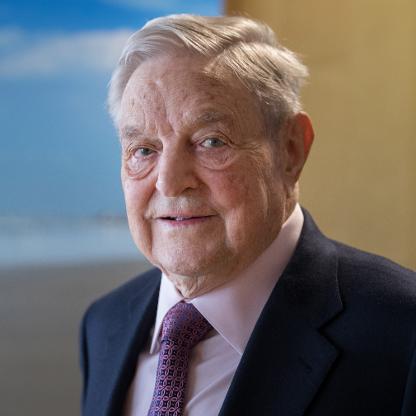
In an epic move, , the billionaire business magnate and investor, is now in the business of cryptocurrency investing. Soros was initially one of the prominent investors that were vehemently against bitcoin (BTC) and crypto in general earlier this year.
Adam Fisher, at New York-based Soros Fund Management, says he got internal approval for the move to trade in digital assets a few months ago. Mr. Fisher is yet to declare the depth of the investment by the fund.
This is a complete 180 degree turn from what this year. He was quoted as saying:
“Cryptocurrency is a misnomer and is a typical bubble, which is always based on some kind of misunderstanding…bitcoin is not a currency because a currency is supposed to be a stable store of value and the currency that can fluctuate 25% in a day can’t be used for instance to pay wages because wages drop by 25% in a day. It’s a speculation. Based on a misunderstanding.”
From the point of view of many Crypto traders and enthusiasts, his statement were viewed as ‘blasphemous’. But you can at least try to put yourself in Soros’ shoes when he made these statements. Blockchain and crytpocurrencies came into the global limelight in a manner similar to a Tsunami. And being a traditional investors of stocks, bonds and shares, digital assets would look like ponzi schemes to Mr. Soros.
But for the generation that is under 35 who have grown up with the internet, video games and social media, cryptocurrencies seemed like any other good idea in their generation similar to the iPhone or Spotify. This is why we find teenagers being bitcoin millionaires after buying the coin years ago using their $20 weekly allowances that they saved up under their pillows.
Soros joins a growing list of big investors who have seen the proverbial light of cryptocurrencies and their potential to change global economics. Another bitcoin doubter turned believer, is the popular Shark Tank Investor and owner of the Dallas Mavericks, Mark Cuban. only for him to recant his statements and further accept bitcoin (BTC) as a form of payment for tickets to see the Dallas Mavericks play.
We can now safely bet that J.P Morgan’s Chairman and CEO, Jamie Damon, will also see the light and potential of cryptocurrencies after also earlier this year.
The post appeared first on .

On Tuesday, April 3rd, Walmart and Moneygram partnered to launch a new global money remitting service known as . This is good news for the Ripple (XRP) community for Moneygram had already partnered with Ripple in early January. Moneygram is testing out Ripple’s xRapid payment solution that comes with all the good properties of Ripple: secure on the blockchain, fast (3.3 seconds per transaction) and cheap ($0.0004 per transaction).
Wallmart2World is scheduled for launch in all 4,700 U.S Stores with three key features to differentiate the service to any other global wire service out there:
Unique Pricing Structure: Wherever you are in the United States, and to wherever you are sending money, the new, low fees for Walmart2World are the same – $4 to send up to $50, $8 to send $51 to $1,000, and $16 to send $1,001 to $2,500. This is unlike other international transfer services that change the fee to transfer money based on where sender and/or receiver are located.
Highly Competitive Exchange Rates: Walmart is committed to ensuring customers receive a more competitive foreign exchange rate when transferring money using Walmart2World. The new Walmart2World low fees, combined with these great exchange rates deliver incredible value for international sends.
Delivery Within Minutes to Worldwide Network: Compared to other international wire services that can take up to three days, Walmart2World will deliver funds in 10 minutes or less, whether the receiver opts to pick up the money at any one of MoneyGram’s agent locations in 200 countries, or an international bank or mobile wallet account.
How big is Walmart?
Walmart is one of the largest multinational retail corporation that was founded in 1962 and continues to grow its wings around the globe. Walmart is currently in 28 countries with 11,718 stores. It is also the world’s largest company by revenue: approximately $48 Billion according to list in 2016.
How big is Moneygram?
Moneygram is the second largest provider of money transfers in the world. It operates in over 200 countries with a global network of approximately 347,000 agent offices. The company’s revenue was estimated at $1.6 Billion with a reported growth of 25% the same year.
Moneygram is testing xRapid. What is it? And when will it be integrated?
uniquely uses a digital asset, XRP, to offer on-demand liquidity, which dramatically lowers costs while enabling real-time payments in emerging markets. Built for enterprise use, XRP offers banks and payment providers a highly efficient, scalable, reliable liquidity option to service cross-border payments.
There has been no definite date as to when the testing will be completed and full integration of xRapid into Moneygram services. When the testing is complete and xRapid is utilized, this could be the moment for XRP once again in the markets.
The post appeared first on .
Dit weekend ben ik bij de Blockchaingers Hackathon in Groningen als ‘track reporter’ bij Global Digital Identities. Vrijdagmiddag om 12:30 startte het evenement waarbij 63 teams in 7 verschillende tracks applicaties verzinnen. Dat kan gaan van Machine-2-Machine en Green Energy tot pensioenen en gezondheidszorg.
De grote gemene deler dit jaar lijkt te zijn: privacy en hoe daarmee om te gaan? Sommigen willen alles ‘out in the open’ en op publieke chains, maar de privacywetgeving houdt dat op dit moment sowieso tegen.
Daar zit ook een heel grote lacune bij ontwikkelaars: iedereen kent de publieke ketens, maar private systemen: daar lijkt niet voldoende kennis over. En dan natuurlijk de eeuwige hamvraag: ‘heb je er wel een blockchain voor nodig?’
Binnen mijn ‘eigen’ track die ik versla, Global Digital Identity, komt het er vaak op neer dat er een combinatie van publieke en private blockchains of andere private data-repositories gebruikt worden.
Vandaag staat ook vooral in het teken voor veel teams van het vervolmaken van hun ontwerp-canvas en zo een gestructureerder ontwerp te krijgen. Een deel heeft dat goed voor elkaar, maar een ander deel worstelt nog.
Nog een paar linkjes voor je leeslijst:

technology to share medical data —
Blockchain could let people offer health records for research — without losing control over them.
Een interessant artikel, al van 9 maart, maar je kunt niet alles tegelijk lezen.

—
Mijn eigen artikel dat onlangs in het papieren Tweakers Magazine verscheen staat nu ook online.

—
Co-creating the next operating system for our society!
Of in journalistentaal: hack je verhalen bij elkaar. In deze lijst posts kom ik zelf met enige regelmaat terug. Verhalen vanuit zeer verschillende invalshoeken!
Ik wilde veel meer met jullie delen, maar dat lukt nu even niet. Misschien ook beter: een paar artikelen op je leeslijst zette is makkelijker dan tien stukken waar je nauwelijks tijd voor hebt.
 Blockchaingers Hackathon in de Suikerfabriek te Groningen, foto-credits: Mijzelf 😉